E-BUZZ ME Logo
Electric VehiclesTechnical Deep Dive

Dr. Tim Meyer Calls Electric Cars a 'Sleeping Giant' for Energy System Integration at CharIN Testival 2026

Published
EElectricBuzz Editorial Team
Dr. Tim Meyer Calls Electric Cars a 'Sleeping Giant' for Energy System Integration at CharIN Testival 2026
3 min read406 wordsElectricBuzz Editorial Team

The Gist

Dr. Tim Meyer argues electric vehicles represent a massive untapped storage resource that could alleviate grid bottlenecks, but regulatory and infrastructure gaps currently prevent realizing this potential.

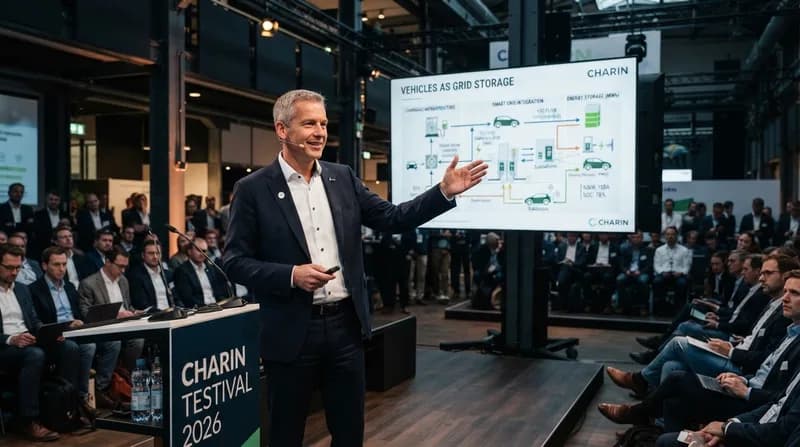
Dr. Tim Meyer, a prominent voice in the electric mobility sector, recently delivered a striking analogy at the CharIN Testival 2026, referring to electric vehicles as a "sleeping giant" capable of transforming the energy system. His central thesis rests on the simple but profound fact that electric vehicles with batteries ranging from 40 to 60 kilowatt-hours possess significantly more storage capacity than the typical home battery system. With Germany's fleet of nearly 50 million passenger cars, the aggregate storage potential is staggering: if only 10 to 15 percent of these vehicles are regularly connected to the grid, they could provide several hundred gigawatt-hours of storage. This capacity could theoretically bridge the gap created by volatile renewable energy sources.

However, Dr. Meyer was quick to identify the structural obstacles standing in the way of this potential. He pinpointed three critical gaps in Germany's current energy system. The first is insufficient electrification beyond power generation, the second is a lack of system flexibilisation necessary to handle volatile renewables, and the third—and perhaps most pressing—is the massively lagging distribution grid infrastructure. The existing grid was not designed to handle the bidirectional flow of energy that massive vehicle-to-grid (V2G) integration would require.

Adding to these systemic issues is the German government's new blanket limit of 50 percent feed-in capacity for smaller photovoltaic systems. Dr. Meyer criticized this regulation as too rigid, noting that it applies regardless of whether smart meters or control boxes are present. This one-size-fits-all approach may unfairly affect battery storage systems and creates a rigid ceiling that stifles the intelligent management of distributed energy resources. Compounding this regulatory friction is the economic reality where current regulations perversely reward laying more traditional grid infrastructure over enabling intelligent energy transitions. This creates a significant barrier to adopting storage-enabled vehicles, even when the technology is technically feasible.

Perhaps the most compelling data point Dr. Meyer cited comes from Fraunhofer studies, which suggest that bidirectional charging could provide over eight billion euros in annual relief for the energy system. Despite this massive economic incentive, V2G technology remains in its infancy. The barriers are multifaceted, ranging from measurement challenges and differing grid fees to a distinct lack of standardized processes. To bridge the energy and transport transitions, Dr. Meyer argues that a comprehensive strategy is needed, one that standardizes processes, creates economic incentives for grid operators, and enables bidirectional vehicles to actively support the energy system rather than just draw from it.
Related Stories

Semantically matched articles, ranked by topic overlap and freshness.

Thessaloniki Expands Green Transit Fleet with 50 New Yutong E-Buses
Electric Vehicles

Thessaloniki Expands Green Transit Fleet with 50 New Yutong E-Buses

The Greek city of Thessaloniki has officially integrated 50 new electric articulated buses from Yutong into its public transport network, marking a significant milestone in the city's sustainable mobility strategy.

UK EV Market Surges: Electric Powertrains Outpace Gas in Landmark August Shift
Electric Vehicles

UK EV Market Surges: Electric Powertrains Outpace Gas in Landmark August Shift

Electric vehicles have officially become the top-selling powertrain in the UK, capturing a significant 30% market share as policy mandates and shifting consumer preferences drive the transition away from fossil fuels.

Schneider Electric Challenges Tesla With New Smart Home EV Charger
Electric Vehicles

Schneider Electric Challenges Tesla With New Smart Home EV Charger

Schneider Electric has launched a powerful new home EV charger that simplifies energy management by including dynamic load-balancing hardware right out of the box.

Decoding EV Battery Health: How Tesla Models Age Over 100,000 Miles
Electric Vehicles

Decoding EV Battery Health: How Tesla Models Age Over 100,000 Miles

A comprehensive study of 500,000 battery tests reveals how Tesla's popular electric vehicles hold up after nearly 100,000 miles of real-world driving.

UltraTech Cement Accelerates Industrial Decarbonization with 600+ New Electric Trucks
Electric Vehicles

UltraTech Cement Accelerates Industrial Decarbonization with 600+ New Electric Trucks

Cement giant UltraTech is staging a massive shift in logistics, deploying over 600 heavy-duty electric vehicles to slash emissions across its Indian supply chain.

Tesla’s Cybercab Hits Public Roads: A Quiet Evolution in Autonomous Transport
Electric Vehicles

Tesla’s Cybercab Hits Public Roads: A Quiet Evolution in Autonomous Transport

Tesla's steering-wheel-free Cybercab has begun transporting passengers in Austin, marking a major milestone in the shift toward fully autonomous, pedal-free ride-hailing.

Oslo Achieves Global Milestone: 48.8% of Passenger Cars Are Electric
Electric Vehicles

Oslo Achieves Global Milestone: 48.8% of Passenger Cars Are Electric

Oslo has become the world's most electrified city with 48.8% of passenger cars electric, utilizing over 3,500 AC charging plugs as the primary infrastructure rather than fast chargers, enabled by 2020 legislation granting apartment residents the right to install home chargers.

Tesla Cybercab Introduces Brake-By-Wire System Eliminating Traditional Hydraulics
Electric Vehicles

Tesla Cybercab Introduces Brake-By-Wire System Eliminating Traditional Hydraulics

Tesla's robotaxi eliminates brake lines and fluid, using individual electronic actuators at each caliper for the first time in mass production. The innovation reduces costs and enables independent wheel braking control.