A New Milestone for UK Automobility
The United Kingdom has hit a watershed moment in its automotive transition, with recent data from New Automotive confirming that battery-electric vehicles (BEVs) have officially surpassed all other powertrain types to become the most popular choice for new car buyers. In August, pure electric models secured a 30% share of the total market, comfortably outperforming traditional combustion engines, hybrids, and plug-in hybrids. This shift highlights a rapidly accelerating trend in the British automotive landscape, moving away from a century of internal combustion dominance toward a cleaner, electrified future.
This surge in popularity isn't merely a monthly anomaly. July saw a robust 50% year-over-year increase in registrations, building momentum that pushed the BEV segment to its current record-breaking status. While pure gasoline vehicles accounted for 27% of new registrations in August, the cumulative data suggests that the vast majority of consumers are either moving to full electrification or selecting hybrid options, leaving traditional ICE-only vehicles in a precarious decline.
The Drivers of Adoption
The success of the UK’s EV market is heavily bolstered by a strategic combination of government regulation and pragmatic consumer incentives. Central to this transformation is the government's aggressive zero-emission vehicle (ZEV) mandate, which provides a clear roadmap for the industry. The policy requires automakers to meet escalating annual targets: 33% of new vehicle sales must be electric by 2026, climbing to 80% by 2030, and hitting 100% by 2035. Companies that fail to meet these thresholds face significant financial penalties, while successful manufacturers earn credits that encourage long-term investment in electric architecture.
Beyond mandates, the UK’s “Clean Air Zones” play a crucial role in daily consumer decision-making. By imposing fees on high-polluting vehicles entering specific urban centers, these zones act as a soft nudge for commuters to prioritize emission-free alternatives. This, paired with the rising cost of traditional fuels due to geopolitical instability, has made the transition to electric driving a financially logical choice for many households rather than an ideological one.
Market Leaders and Global Competition
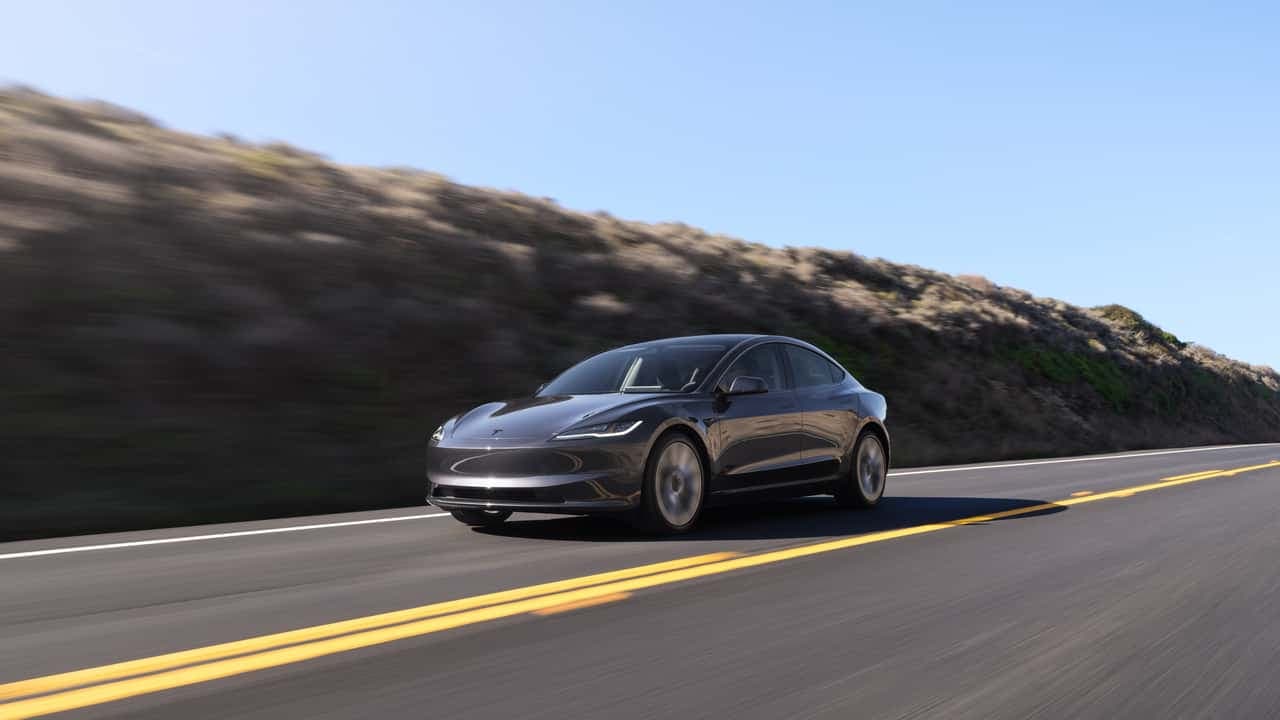
The competitive landscape of the UK EV market remains vibrant, with a mix of established pioneers and aggressive newcomers vying for dominance. Currently, Tesla maintains its position as the leading EV brand, holding 8.8% of the total UK market for the year. The brand continues to capture significant consumer interest, serving as the benchmark for efficiency and charging network infrastructure.
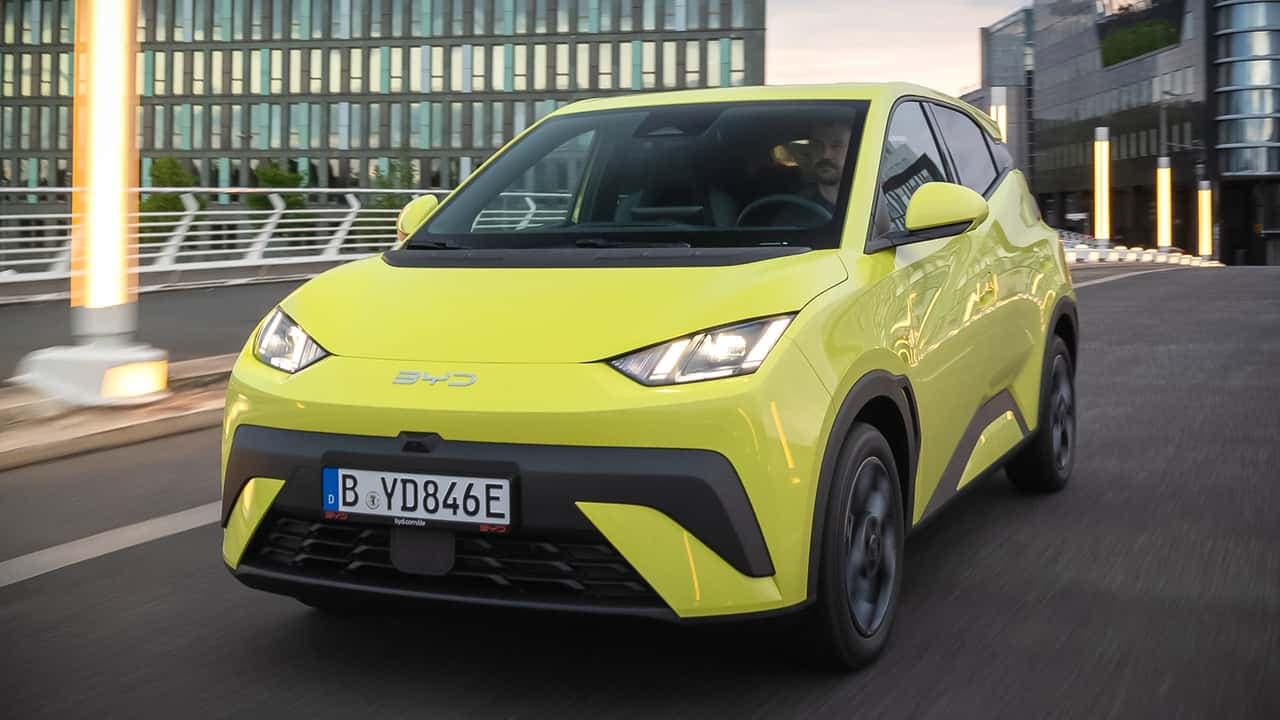
Meanwhile, the market is becoming a global battleground, particularly for Chinese manufacturers. BYD has emerged as a major player, currently sitting in the third position and experiencing a 60% increase in registrations this year. By offering competitive, tech-forward models like the BYD Dolphin, Atto 2, and the Jaecoo E5, these companies are effectively capturing market share from legacy brands that have been slower to transition. Conversely, traditional UK powerhouses under the Tata umbrella, such as Jaguar and Land Rover, have yet to make a significant dent in the BEV segment this year, though the industry is closely watching upcoming launches like the Range Rover Electric and the Jaguar Type 01 to see if they can help the domestic industry catch up to the electrified curve.
Why It Matters
- Regulatory Efficacy: The UK’s tiered ZEV mandate provides a concrete example of how strict government policy can successfully force a market shift.
- Economic Incentives: Financial penalties for non-compliance ensure that manufacturers prioritize EV production over legacy platforms.
- Urban Policy Influence: Clean Air Zones illustrate how localized policy impacts national sales trends by making internal combustion engines less cost-effective in cities.
- Global Competition: The entry of international brands like BYD is significantly expanding consumer choice and accelerating the price parity required for mass-market adoption.