The Real-World Reality of Battery Degradation
As electric vehicles enter their second decade of mainstream adoption, long-term data regarding battery health is shifting from speculation to hard, empirical evidence. A massive diagnostic study released by the Austrian company Aviloo, which analyzed over 500,000 battery tests globally since 2022, offers a revealing look at how popular EVs perform over extended ownership periods. The data indicates that while some degradation is inevitable, the fear of catastrophic battery failure remains largely unfounded.
The study utilized a State-of-Health (SoH) metric to determine remaining battery capacity. By segmenting the performance of 20 different EV models at 50,000, 100,000, and 150,000 kilometers, the research team identified clear patterns in how lithium-ion packs age. While the results are generally positive, they also highlight a crucial reality for used EV buyers: battery health is not a one-size-fits-all number, but rather a reflection of usage patterns, climate, and charging habits.
Tesla Model Y Battery Longevity
The Tesla Model Y emerged from the data as the more resilient of the two core Tesla models analyzed. At the 150,000-kilometer mark (approximately 93,205 miles), the median Model Y retained 90.32% of its original, usable battery capacity. This translates to an estimated reduction in EPA-rated range of roughly 30 miles, a figure many drivers find to be manageable in day-to-day operations.
However, the study also emphasized the importance of outlier data. While the median performance remains strong, individual results within the 99th percentile of vehicles can range significantly. At the lower end of the spectrum, some Model Y units showed as little as 82.90% health, while well-maintained units reached as high as 94.94%. This variance suggests that external factors—such as consistent exposure to extreme heat or frequent, heavy reliance on DC fast charging—play a significant role in long-term capacity retention.
Tesla Model 3 Battery Longevity
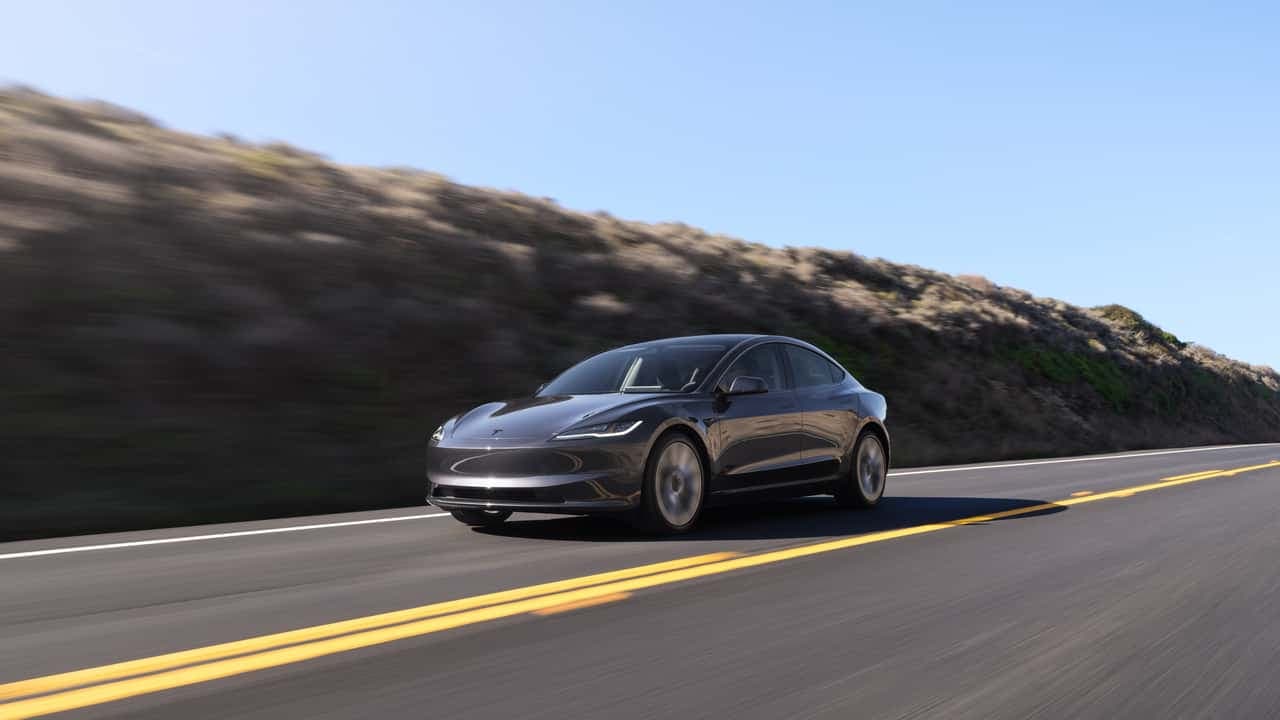
The Tesla Model 3 displayed a slightly more aggressive rate of decline compared to its SUV counterpart. According to the Aviloo diagnostic data, the Model 3 reached a median state-of-health of 88.94% after 150,000 kilometers. While this performance lags behind competitors like the Hyundai Ioniq 5 and the Ford Mustang Mach-E, which posted higher retention rates, it still represents a solid baseline for the longevity of the platform.
One of the most encouraging findings for Model 3 owners is the stabilization of degradation over time. The data shows that the most significant capacity drop typically occurs within the first 50,000 kilometers, with a loss of approximately 6%. Once that initial threshold is crossed, the rate of degradation slows substantially, losing only another 3% over the next 50,000 km, and a further 3% by the 150,000 km milestone. This leveling-off suggests that a vehicle losing 10% of its range early on is not necessarily on a trajectory to lose an additional 10% shortly thereafter.
Why It Matters: The Used EV Market
- Non-Linear Degradation: Most battery capacity loss occurs early in the vehicle's life, with the rate of degradation stabilizing significantly after the first 50,000 kilometers.
- The Influence of Habits: Usage intensity, frequency of 100% charging, and climate exposure are major variables. Vehicles driven in harsh, hot climates or charged exclusively via high-power chargers may show lower health scores.
- Buying Confidence: Understanding that most vehicles retain over 85-90% of their capacity after 100,000 miles provides a framework for prospective buyers to evaluate the value of used electric vehicles.
Ultimately, the data paints a picture of a maturing technology that is proving more durable than early skeptics once feared. While the Tesla Model 3 and Model Y occupy the middle-to-lower portion of the pack in this specific study, their performance remains well within the bounds of practical, long-term ownership for the average driver.