The Emergence of the Fiat Koala
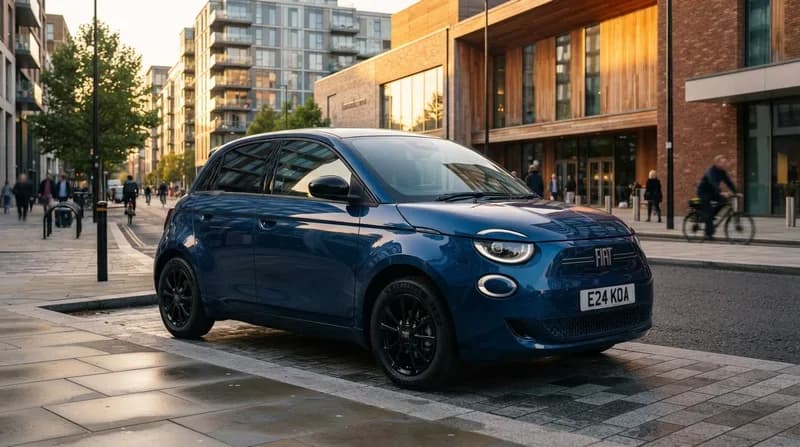
In a bold move to solidify its position in the European small-car segment, Fiat has officially confirmed the development of an all-new electric city vehicle named the 'Koala.' While the industry was buzzing with the recent reveal of the Citroën 2CV concept at the Paris Motor Show, Fiat opted to keep its own sibling model under wraps for the time being. According to company leadership, including new CEO Arnaud Belloni and design chief François Leboine, the project is already at a high level of maturity, promising a 'wow' factor that will define the next generation of affordable urban mobility for the brand.
The Koala is being developed as a critical component of Fiat’s strategy to overhaul the bottom end of its model range. While the current internal combustion engine Panda—now branded as the Pandina—continues to serve as a high-volume seller, the Koala represents the future of Fiat’s electric ambitions. It is designed to operate alongside traditional models rather than immediately replacing them, allowing Fiat to navigate the transition to multi-energy solutions as the market shifts toward electrification.
The Engineering Backbone: Stellantis E-Car Platform
At the heart of the Koala lies a specialized 'E-Car' platform, a collaborative effort within the Stellantis group. This architecture is purpose-built to comply with emerging regulations for M1E-class vehicles, which are expected to prioritize compact footprints under 4.20 meters in length and low overall weight. By keeping the vehicle weight around one tonne, Fiat aims to maximize efficiency, allowing for a smaller, more cost-effective battery pack while still maintaining a competitive real-world range.
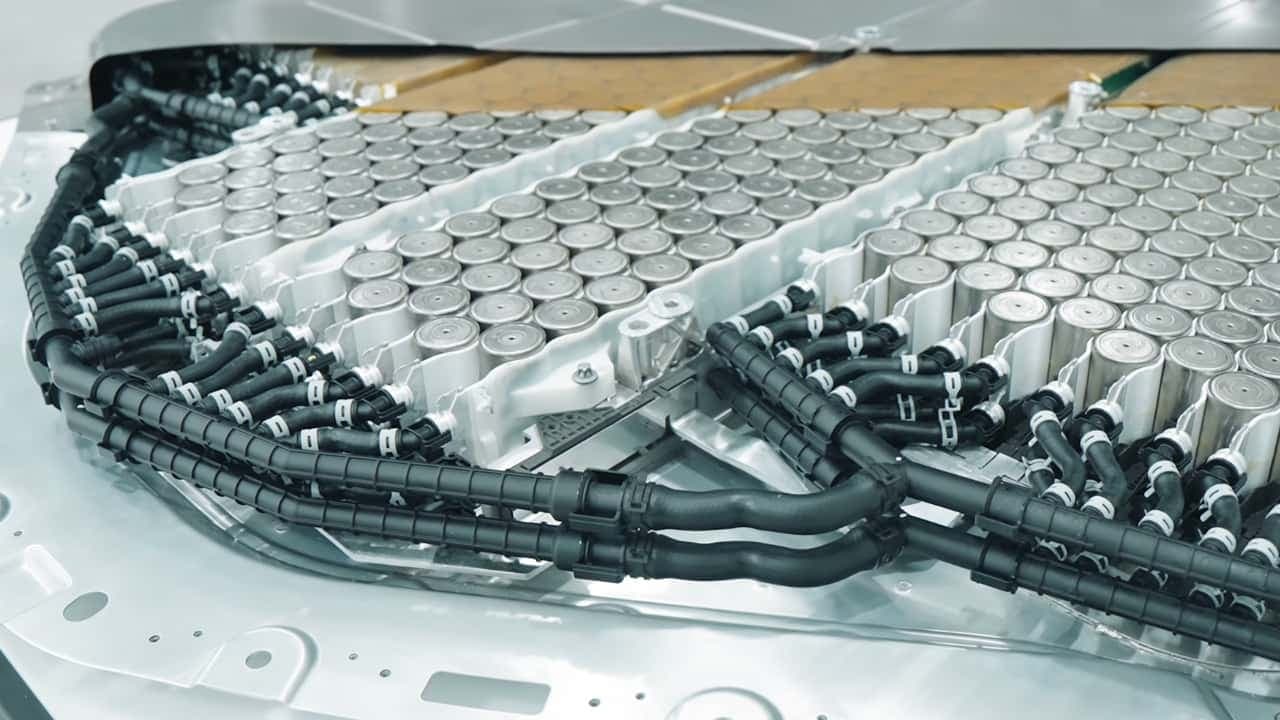
Industry projections suggest that these vehicles will utilize Lithium Iron Phosphate (LFP) battery chemistry, likely ranging between 25 and 35 kilowatt-hours. This configuration is expected to deliver a range between 200 and 300 kilometers, perfectly suited for dense urban environments. By targeting a lean, lightweight design, Fiat is positioning the Koala to hit an aggressive entry-level price point—rumored to be in the vicinity of €15,000—that could make mass-market electric adoption a reality for budget-conscious European drivers.
Design Philosophy and Market Positioning
Contrary to speculation that Fiat might lean into 'neo-retro' aesthetics, the design leadership has clarified that the Koala will follow a modern, forward-looking path. However, elements of the iconic Panda family heritage will remain to ground the car in Fiat's storied design language. Recent design competitions involving Italian students have offered a glimpse into this potential future, with boxy, functional, and characterful styling concepts, such as the 'Ippo,' influencing the studio's direction.
Looking ahead to its 2028 launch, the Koala joins an expanding portfolio that includes the Grande Panda and the Grizzly SUV. By maintaining a bear-themed nomenclature—excluding 'Kodiak,' which is occupied by Škoda—Fiat is creating a distinct, recognizable identity for its electric fleet. As production ramps up in Pomigliano, the Koala stands as a testament to Fiat's commitment to reinventing the city car, blending the agility of classic compacts with the sustainable efficiency of the next decade's EV technology.
Why It Matters
- Affordability: With an estimated €15,000 price point, the Koala aims to break down the primary barrier of high entry costs for electric vehicles.
- Strategic Efficiency: The use of an ultralight platform allows for smaller batteries, reducing environmental impact and manufacturing costs simultaneously.
- Urban Focus: By tailoring the vehicle to European city driving, Fiat is betting on the necessity of compact, maneuverable, and efficient transport solutions.