A New Benchmark in Battery Engineering
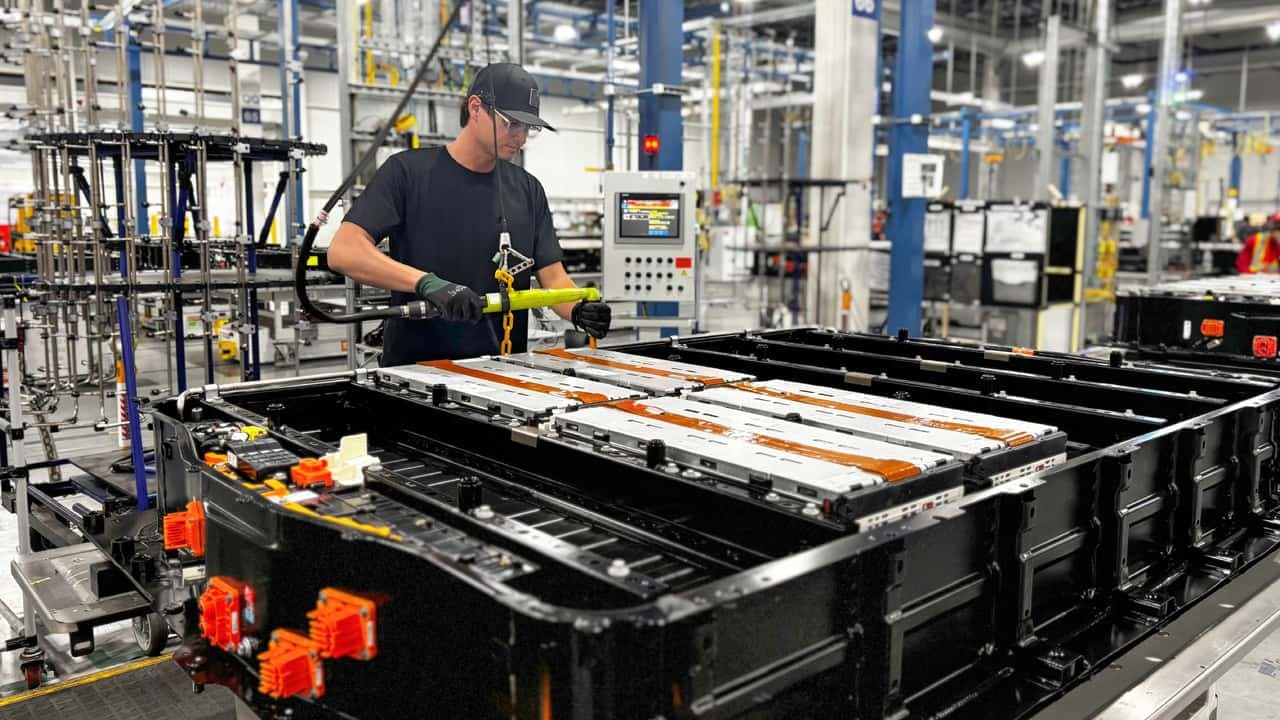
While the prospect of SpaceX-derived cold gas thrusters and futuristic aerodynamic suction has captured the public imagination, the engineering team behind the new Tesla Roadster is focused on the core pillar of electric performance: a revolutionary, high-voltage battery system. According to Tesla’s vice president of engineering, Lars Moravy, the battery pack is the culmination of over two decades of accumulated EV manufacturing expertise, designed specifically to balance the immense power demands of a high-performance supercar with the practicalities of daily driving.
The Roadster utilizes Tesla’s proprietary 4680 cylindrical cells, though they have been heavily modified for this specific application. Unlike the mass-market cells found in the Model 3 or Model Y, which emphasize longevity and cost-efficiency, these bespoke cells prioritize extreme power throughput. By utilizing specialized nickel-based chemistry, the battery is engineered to handle massive, rapid discharges, feeding the dual rear motors to produce a staggering 1,341 horsepower and 1,032 pound-feet of torque.
Thermal Management and Advanced Materials
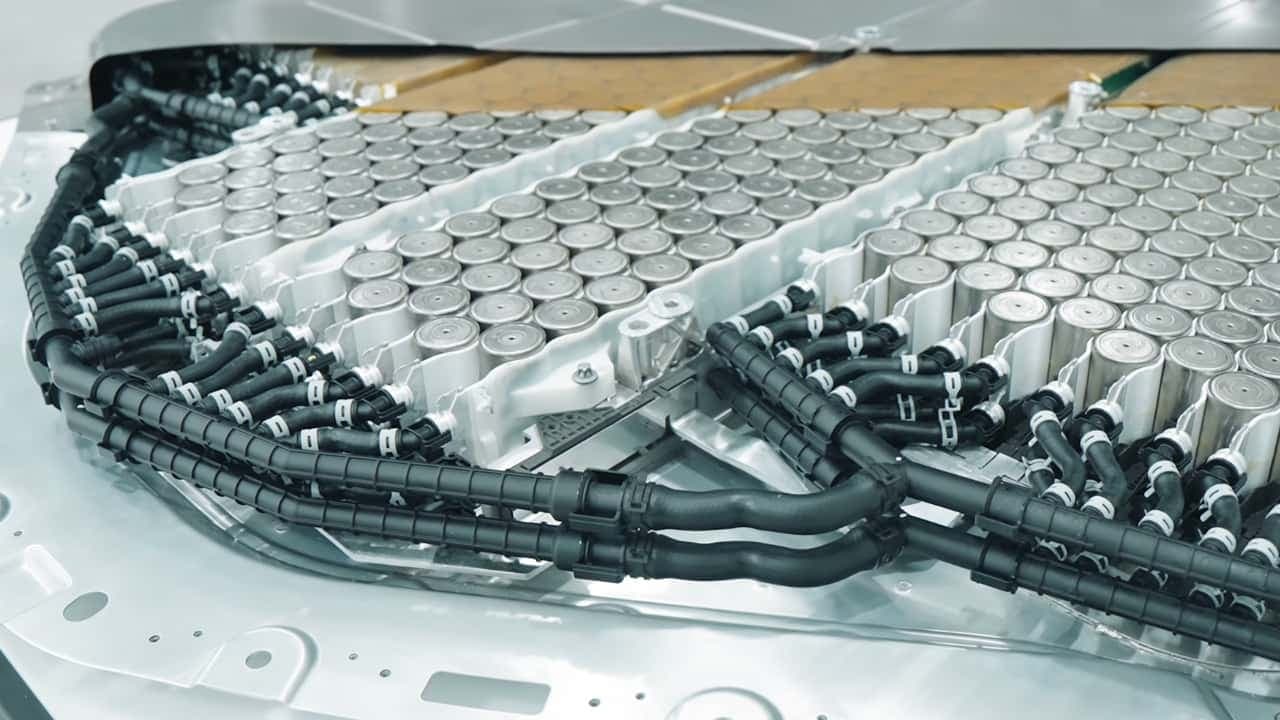
Managing the heat generated by such an aggressive power output is perhaps the Roadster’s most significant engineering hurdle. To solve this, Tesla has implemented a sophisticated cooling architecture featuring double-sided coolant tubes that wrap around individual cells. This ensures that even under the intense strain of a track session or high-acceleration launches, the battery remains within its optimal operating temperature range, preventing performance degradation.
The physical construction of the pack further emphasizes thermal efficiency and weight reduction. Tesla has opted for aluminum cans for the individual cells, which offer superior heat dissipation compared to traditional steel housings. Furthermore, the pack is shielded by a titanium upper plate, providing a lightweight, thermally insulating barrier that replaces heavier steel alternatives. The vehicle's underbody retains an aluminum plate to ensure impact resistance, striking a careful balance between safety and performance-oriented weight savings.
Charging Capabilities and Future Implications
The efficiency of the cooling system pays dividends during charging sessions. Tesla reports that the Roadster will be capable of charging from 15% to 85% in approximately 10 minutes, placing it firmly among the fastest-charging vehicles on the road. While official specifications regarding peak charging rates are still being finalized, the system is expected to support architectures between 800 and 1,000 volts, with peak power capabilities potentially ranging from 500 kW up to a full megawatt.
This shift toward higher-voltage architecture represents a major step forward for the brand. By moving away from the industry standard 400-volt systems, Tesla is enabling faster energy transfer and reduced thermal load during high-speed charging. While the Roadster serves as a halo product to showcase these innovations, the ultimate goal for the industry remains the eventual trickle-down of these high-performance materials and cooling techniques into more accessible, mass-market electric vehicles.