The Road to 20,000 Vehicles
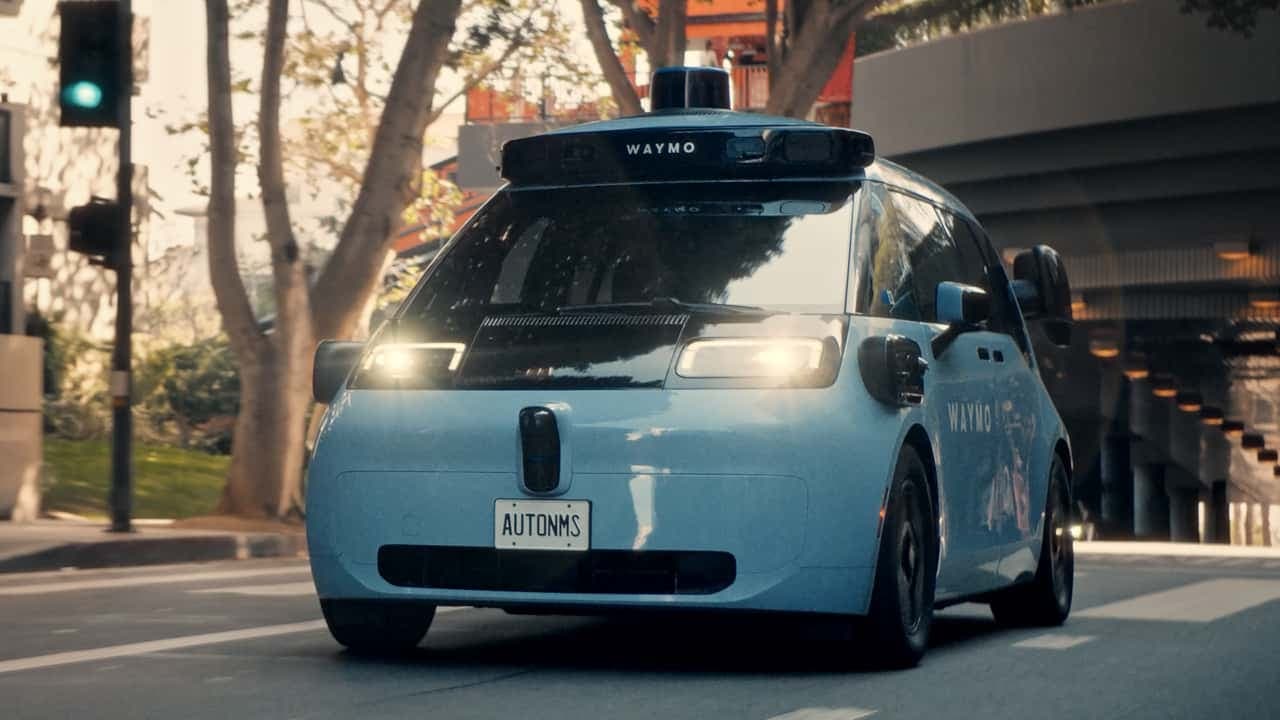
Alphabet’s autonomous driving unit, Waymo, is preparing for an unprecedented period of expansion. According to recent reports, the company aims to grow its current fleet of approximately 4,000 robotaxis to a staggering 20,000 vehicles by the conclusion of 2027. This ambitious 14-month scaling effort highlights the intense competition within the autonomous ride-hailing sector and confirms Waymo’s status as the current frontrunner in North American deployment.
The roadmap for this growth is aggressive, with targets set to reach 8,000 active vehicles by the end of 2026. This move effectively solidifies Waymo’s lead over competitors like Tesla, which are still in the nascent stages of their autonomous taxi rollouts. By leveraging massive capital infusions—including a recent $5 billion debt financing deal—Waymo is signaling that it has the financial runway to support the heavy operational costs required to manage such a large-scale hardware network.
Strategic Manufacturing Partnerships
Achieving a five-fold increase in fleet size requires more than just capital; it requires reliable, purpose-built hardware. Waymo is diversifying its supply chain to ensure a steady stream of vehicles that can handle the rigors of 24/7 autonomous service. Currently, the company’s fleet is anchored by the boxy, spacious Zeekr Ojai vans, which have already begun operations in select urban markets. These vehicles serve as the current backbone, providing the necessary interior volume for passengers to sit comfortably while the onboard sensor suite handles the driving.
Looking toward the 2027 target, Waymo is leaning heavily on its collaboration with Hyundai. The automotive giant has publicly confirmed plans to manufacture tens of thousands of Ioniq 5 units specifically designed for robotaxi duty. By shifting to a platform like the Ioniq 5, Waymo gains a proven, mass-market-ready electric architecture that is already well-regarded for its charging efficiency and reliability, which are critical metrics for a high-utilization commercial fleet.
Why It Matters: The Operational Reality
While the focus is often on the software and the sensors, the expansion of a robotaxi fleet is fundamentally a logistics challenge. Successfully deploying 20,000 cars requires a complex support ecosystem that extends far beyond autonomous algorithms. Waymo’s operational model currently includes a significant human component, utilizing remote teleoperators who intervene during traffic incidents or complex navigation scenarios.
Furthermore, maintaining this many vehicles involves a constant cycle of maintenance, cleaning, and rapid charging at decentralized depots. As Waymo continues to average over half a million paid rides weekly, the need for these support facilities will grow in lockstep with the fleet count. The successful integration of these vehicles into urban landscapes in the U.S., and potentially in international markets like Tokyo and London, represents a significant transition from experimental technology to essential public infrastructure.
Key Implications for the Mobility Sector
- Supply Chain Dominance: Partnerships with legacy manufacturers like Hyundai provide Waymo with a path to scale that pure-play software competitors cannot easily replicate.
- Capital Intensity: The $5 billion funding injection underscores that the 'Robotaxi Era' is a capital-intensive game that rewards incumbents with deep pockets and existing operational data.
- Global Ambitions: With tests already underway in Tokyo and London, and expansion planned for Spain, Singapore, and Canada, Waymo is positioning its hardware stack as a global standard for autonomous mobility.