The End of an Era at Brownstown
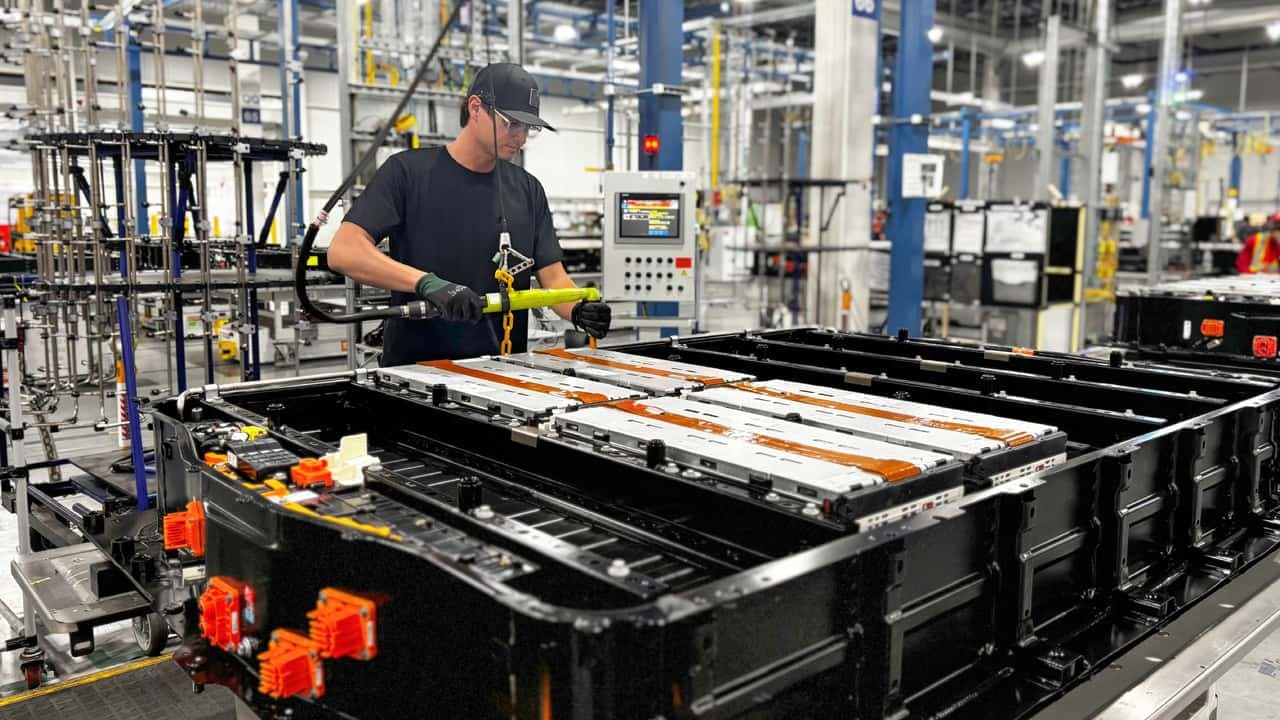
General Motors has confirmed it will decommission its long-standing Brownstown Battery Assembly facility. The 480,000-square-foot plant, which first opened its doors in 2009, is slated to close by next summer upon the expiration of its current lease. This facility has historically served as a critical hub for high-voltage battery production, specifically supporting flagship electrified models including the ultra-luxury Cadillac Celestiq and the high-performance Chevrolet Corvette E-Ray.
The decision to cease operations at Brownstown marks a significant pivot in General Motors' broader manufacturing strategy. As the automotive giant continues to navigate the complexities of a volatile electric vehicle market, it has opted to consolidate its resources. The plant, which once supported a workforce of approximately 300 employees during its peak operational periods, had already seen production volumes dwindle significantly. By the time the closure was formalized, the facility maintained a skeleton crew of fewer than a dozen personnel, a direct reflection of the softened consumer appetite for specific high-end EV segments.
Contextualizing GM’s Strategic Shift
This closure is part of a larger trend of restructuring within General Motors as it attempts to mitigate the financial headwinds associated with its aggressive transition to electrification. The company has faced substantial losses in its EV division, prompting a reevaluation of capital expenditure and joint-venture commitments. Throughout the past year, GM has systematically adjusted its footprint, including exiting a battery factory partnership with Samsung SDI and relinquishing its primary stake in a $2.5 billion battery manufacturing project in Lansing, Michigan, to LG Energy Solution.
- Strategic Realignments: GM is shifting its focus toward a balanced portfolio that leans more heavily into gas-powered vehicle production to maintain profitability.
- Market Pressures: Following the removal of specific federal tax credit incentives, the industry saw a cooling of demand, with GM reporting a notable year-over-year decline in domestic EV sales.
- Workforce Continuity: In a move to retain institutional knowledge, the company confirmed that employees affected by the Brownstown shutdown have been offered relocation packages to other regional GM facilities.
- Future Outlook: GM is currently scouting new potential uses for its Detroit-area real estate, including former hydrogen fuel cell development sites, as it looks to optimize its remaining physical infrastructure.
Implications for the EV Market
The closure of the Brownstown plant signals a sobering reality for the automotive sector: the transition to full-scale electrification is rarely a linear path. While GM remains committed to its long-term EV goals, the immediate focus has shifted toward operational efficiency. For stakeholders and industry observers, the move highlights the vulnerability of specialized manufacturing hubs when market conditions force a recalibration of production volume. As GM moves toward more centralized and automated battery assembly processes, the lessons learned at Brownstown will likely inform how the automaker balances its internal manufacturing capacity against its evolving external partnerships.