The Evolution of California’s EV Strategy
California continues to lead the nation in electric vehicle adoption, with pure electric vehicles accounting for a substantial 16.3% of new-car sales in the third quarter—dwarfing the national average of 6.4%. While initial financial incentives remain a core pillar of this strategy, policymakers are increasingly recognizing that the long-term success of the EV transition hinges on more than just the sticker price. The state is now balancing immediate point-of-sale discounts with a massive, data-driven expansion of the charging ecosystem.
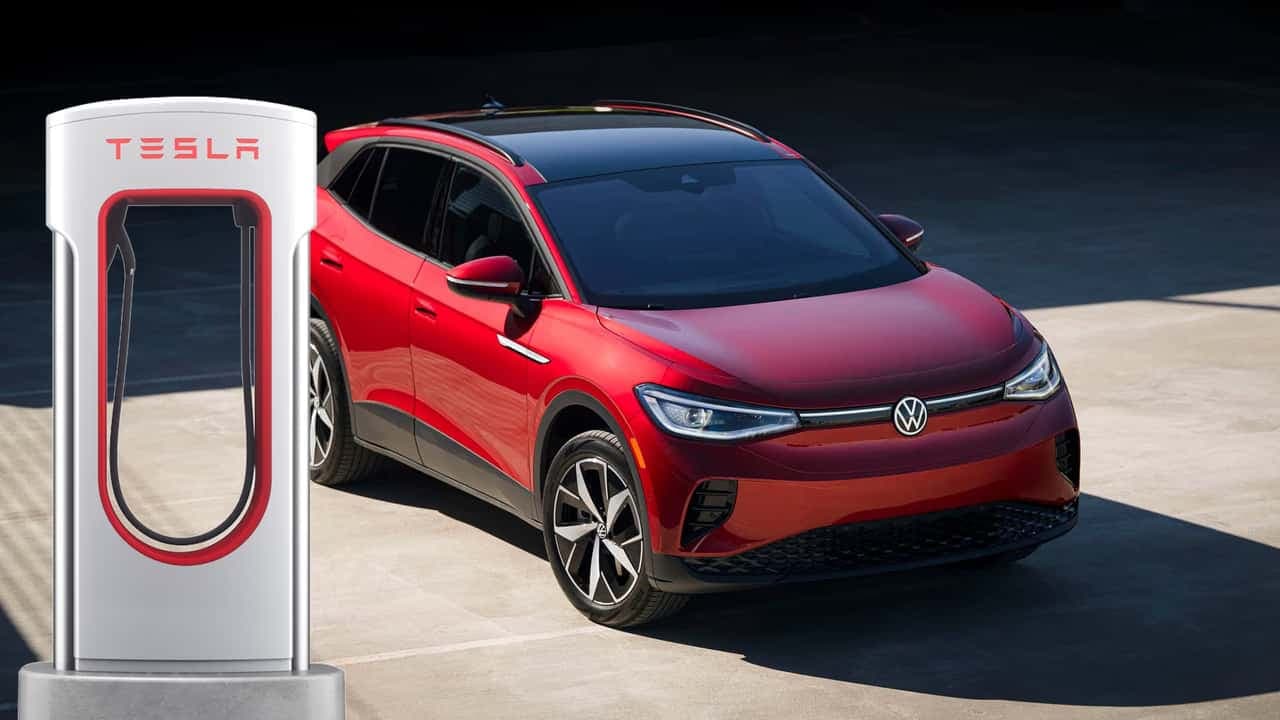
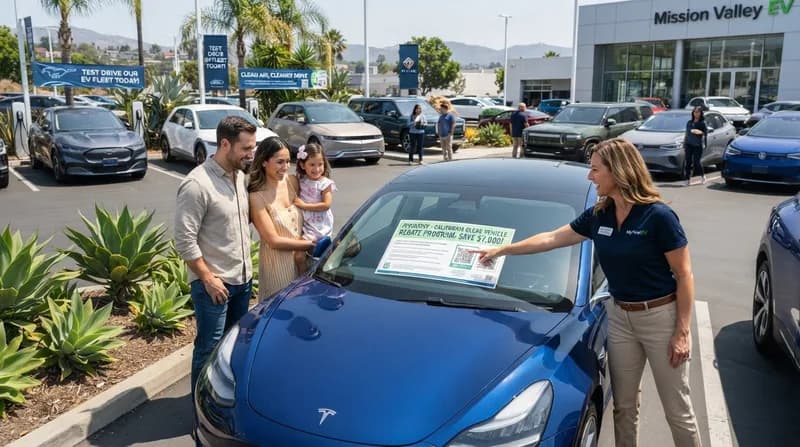
The state’s "MyFirstEV" rebate program has served as a powerful gateway, with nearly 12,000 first-time buyers utilizing the initiative since its launch in August. By providing up to $3,500 toward the purchase of a new EV under $50,000, or $1,750 toward a pre-owned model, California has created a collaborative funding pool exceeding $270 million, bolstered by matching contributions from participating manufacturers. While this program has seen rapid depletion in certain sectors—Tesla’s allocation was claimed in just five days—the high uptake demonstrates that price remains a primary motivator for consumers.
Building the Infrastructure for 2030
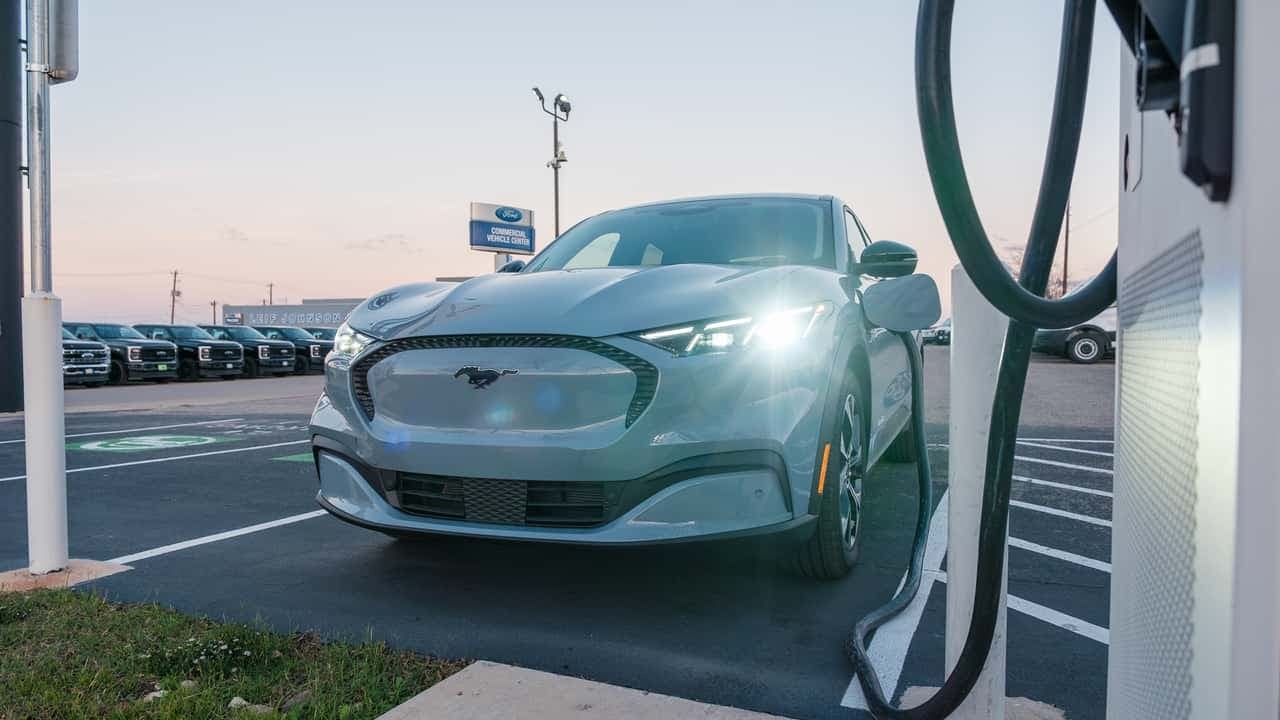
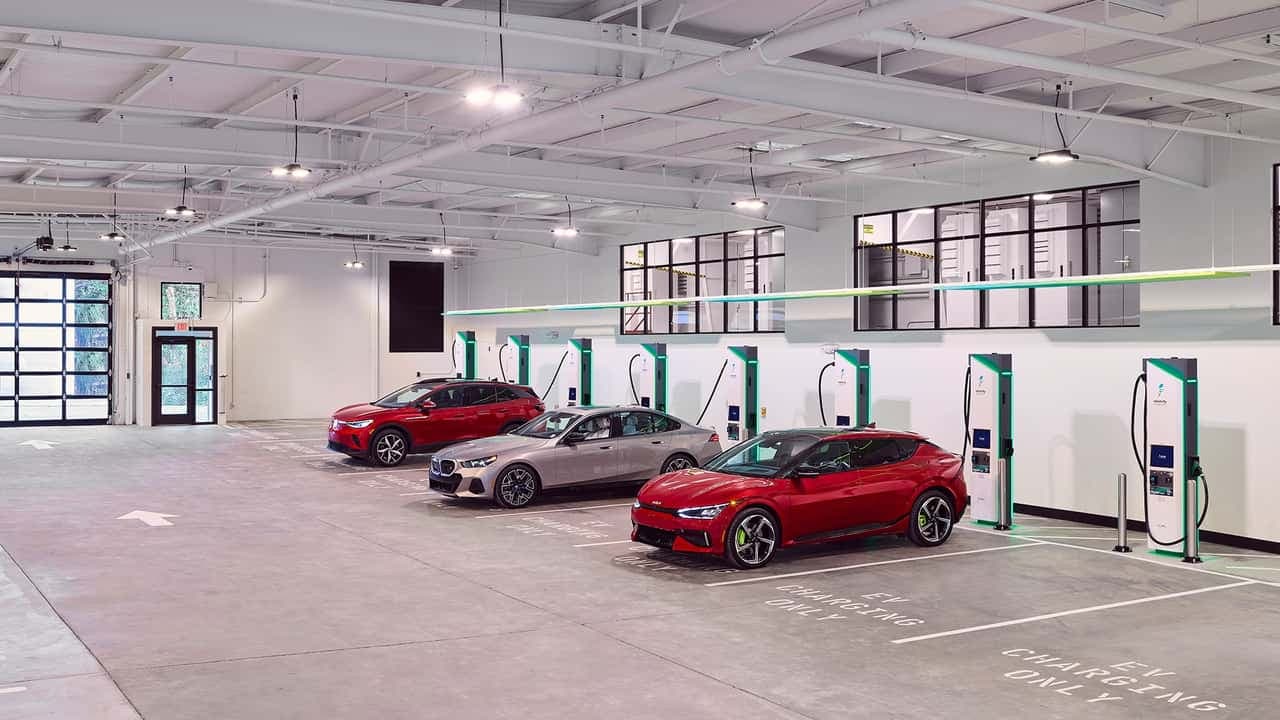
Attracting buyers to the showroom is only the first step. The California Energy Commission has released an updated forecast acknowledging the massive logistical hurdle ahead: to support an anticipated 6.8 million electric vehicles on the road by 2030, the state must deploy approximately 478,000 public and shared charging ports. As of the middle of this year, the state had roughly 224,438 chargers in operation, placing the current network at approximately 47% of its projected future requirement.
This projection factors in significant technological variables, including advancements in battery energy density, improvements in real-world vehicle range, and the increasing proliferation of fast-charging hubs. Notably, these figures represent public-facing infrastructure and do not account for the estimated 1.2 million home chargers already installed, which serve as the backbone for the majority of EV charging sessions.
Prioritizing Proximity and Convenience
The state’s strategy is shifting toward "limited-access" charging, which prioritizes convenience for those living in multi-unit dwellings or dense urban environments. By focusing on workplace parking lots and apartment complexes, the state aims to integrate charging into the daily routine of vehicle owners rather than treating it as an infrequent, dedicated errand. This approach is supplemented by direct incentives for fast-charging infrastructure, with the state offering up to 100% of eligible costs to help close the gap for providers.
Why It Matters
- Beyond the Purchase: Transitioning from "price-focused" policy to "usability-focused" policy is essential for moving past early adopters into the mainstream market.
- Grid Integration: Future-proofing includes looking at bidirectional charging, which could allow EV owners to treat their vehicles as mobile energy storage, potentially offsetting costs by selling electricity back to the grid during peak demand.
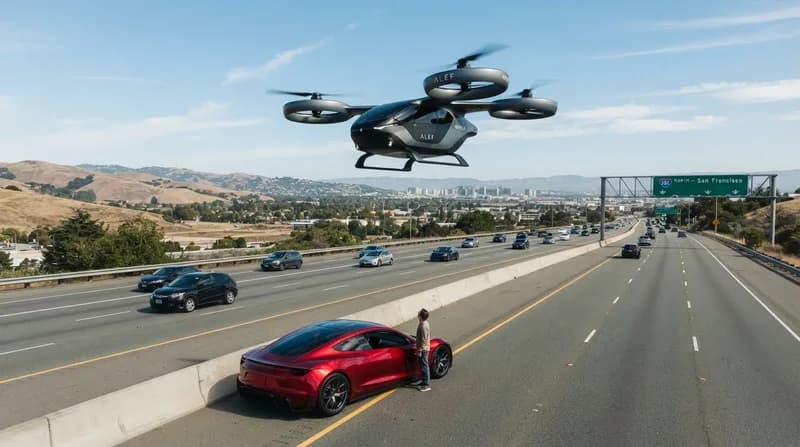
- The "Expedition" Problem: The ultimate goal is to eliminate the need for "charging trips," ensuring that the act of refueling is as invisible and convenient as plugging in a mobile device at home.
Ultimately, making an electric vehicle feel "ordinary"—removing the friction of seeking out chargers—is the final frontier of adoption. As California scales its infrastructure, the emphasis on residential and neighborhood-level access suggests that the future of mobility is not just about faster chargers, but about making electricity available exactly where cars spend the most time: parked.