Electric VehiclesTechnical Deep Dive

Volkswagen Initiates Battery Charge Limits for Select ID.4 Models Over Fire Risks

Published
EElectricBuzz Editorial Team
Volkswagen Initiates Battery Charge Limits for Select ID.4 Models Over Fire Risks
3 min read540 wordsElectricBuzz Editorial Team

The Gist

“Volkswagen is deploying a temporary software patch to cap charging capacity at 80% for over 22,000 ID.4 vehicles to mitigate fire safety concerns while a permanent fix remains in development.”

An Interim Safety Strategy for ID.4 Owners

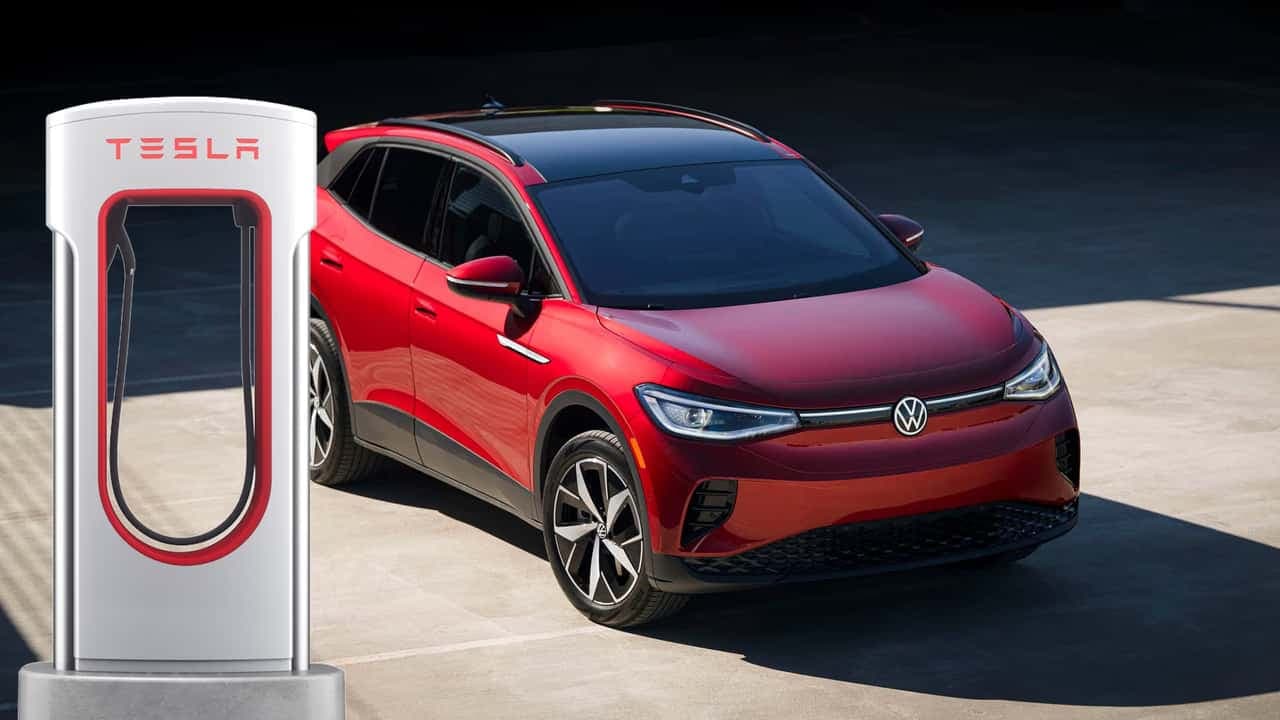
In a significant move addressing ongoing safety concerns, Volkswagen has announced an automated software intervention for a specific segment of its ID.4 electric vehicle fleet. The automaker is implementing a mandatory charging cap, limiting battery capacity to 80% to mitigate a potential fire hazard. This action affects approximately 22,524 vehicles in the United States, specifically 2023 through 2026 model year units manufactured at the company's Chattanooga facility that utilize battery cells supplied by SK On.

The measure is not a final solution but rather an "interim risk-reduction" protocol. Volkswagen has publicly acknowledged that the root cause of the potential thermal events remains unidentified. By restricting the state of charge, the manufacturer intends to reduce the stress placed on the battery cells, which statistically lowers the risk of fire. While the company estimates the actual defect rate is extremely low—affecting roughly 0.1% of the recalled population—the proactive nature of the recall underscores the severity of the potential risk.

The Logistics of the Software Push

Communication regarding this change is being pushed directly to owners via the myVW mobile application. The notification provides a clear window for user intervention: owners have until October 21, 2026, to officially decline this temporary limitation. Those who do not opt out of the update will see their vehicle’s onboard software automatically apply the 80% charge ceiling on or around October 27, 2026. This streamlined rollout ensures that the vast majority of the impacted fleet can be shielded from the potential risk without requiring a physical visit to a service center.

However, the convenience of an over-the-air style update does not mask the inconvenience for daily drivers. For owners who rely on their ID.4 for long-distance commuting or frequent travel, the loss of 20% total capacity is significant. The impact is compounded by seasonal realities; as winter approaches, electric vehicles already suffer from reduced range due to thermal management demands. With the ID.4 Pro S AWD having an EPA-rated range of 263 miles, a 20% reduction could push the effective daily range uncomfortably close to the 200-mile mark, especially when accounting for cold-weather performance degradation.

Why It Matters

  • Safety Precaution: The limit serves as a preventative measure to reduce fire risks while engineers work to isolate the exact cause of the cell defect.
  • Fleet Impact: The recall spans four model years (2023-2026) and encompasses nearly one-third of all ID.4 vehicles sold in the U.S. during that timeframe.
  • User Autonomy: VW is providing an opt-out mechanism, acknowledging that some owners may prefer to manage their own charging behaviors despite the manufacturer's guidance.
  • Ongoing Uncertainty: Because the root cause remains unknown, this software cap is a stopgap, with the expectation that a permanent hardware or software remedy will follow once testing is complete.

As Volkswagen continues its investigation into the SK-supplied battery cells, the automotive industry will be watching closely. This situation highlights the complexities of modern EV manufacturing, where deep integration between software management and physical battery hardware can be both a powerful tool for safety and a source of significant disruption for the end user. For now, ID.4 owners affected by this recall face a difficult trade-off between maximizing their vehicle's range and adhering to the manufacturer's latest safety protocols.
SPONSORED
The 5 Best Over-Ear ANC Headphones of 2026, Tested & Ranked
Editor's Pick Guide
92/100
Tech & Gadgets•12 min read

The 5 Best Over-Ear ANC Headphones of 2026, Tested & Ranked

We locked five over-ear ANC picks for 2026 — Sony WH-1000XM6, Bose QuietComfort Ultra 2, Soundcore Space One, Sennheiser Momentum 5, and Apple AirPods Max 2 — then stress-tested them on lab metrics, long-term owner truth, and live street prices.

Related Stories

Semantically matched articles, ranked by topic overlap and freshness.

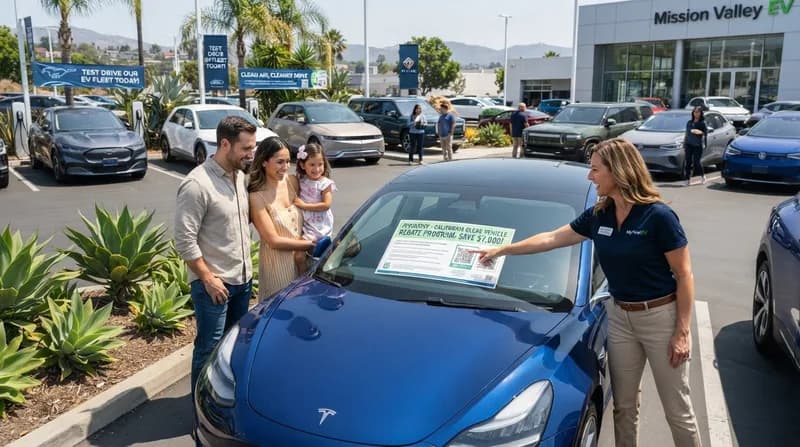
Beyond the Discount: How California is Reimagining the EV Ownership Experience
Electric Vehicles

Beyond the Discount: How California is Reimagining the EV Ownership Experience

California’s aggressive push for electric vehicle adoption is evolving, shifting focus from initial purchase incentives to the critical infrastructure required for long-term daily usability.

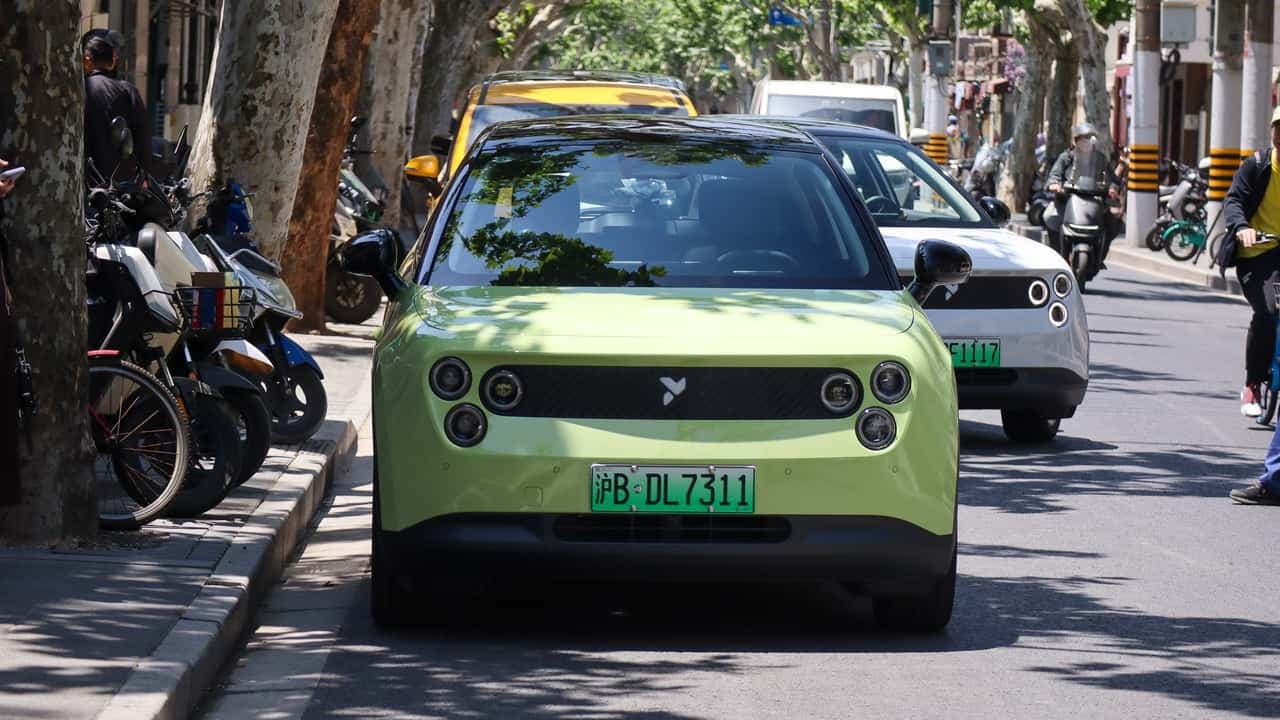
Toyota Revamps Its Global Icon: The Next-Gen Corolla Goes Fully Electric in China
Electric Vehicles

Toyota Revamps Its Global Icon: The Next-Gen Corolla Goes Fully Electric in China

Toyota is pivoting its manufacturing strategy, with plans to produce an all-electric version of the world's best-selling car in China by 2028.

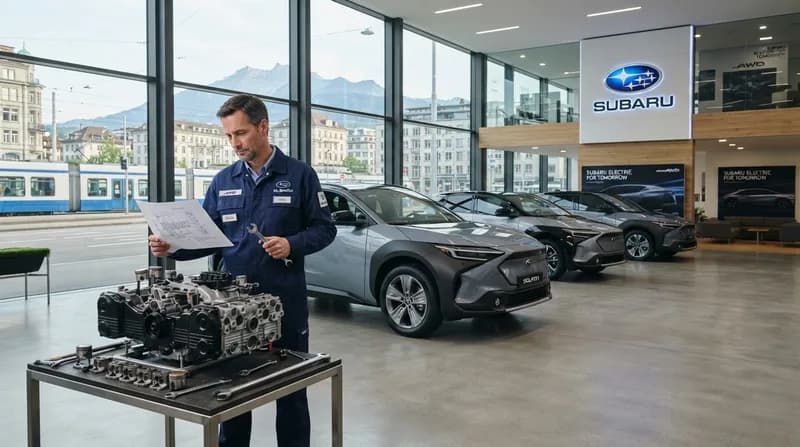
Subaru Waves Goodbye to the Boxer Engine in Europe
Electric Vehicles

Subaru Waves Goodbye to the Boxer Engine in Europe

Subaru is set to end all internal combustion engine sales in the European market by 2028, pivoting entirely toward an electric future as regional emission regulations tighten.

Alef Aeronautics Challenges Tesla in the Race for Vertical Takeoff Mobility
Electric Vehicles

Alef Aeronautics Challenges Tesla in the Race for Vertical Takeoff Mobility

As Tesla captures headlines with its new Roadster flight capabilities, California-based startup Alef Aeronautics is asserting its veteran status in the eVTOL market.

Used EV Sales Reach Record Highs as Price Parity Draws Closer
Electric Vehicles

Used EV Sales Reach Record Highs as Price Parity Draws Closer

The pre-owned electric vehicle market has hit a new milestone, capturing a record 3.3% of the total used car market as affordability drives consumer interest.

Volvo’s 2027 EX60 Shatters Range Expectations in Real-World Testing
Electric Vehicles

Volvo’s 2027 EX60 Shatters Range Expectations in Real-World Testing

The upcoming Volvo EX60 is proving that official estimates are just the beginning, comfortably outperforming its EPA range ratings in recent real-world evaluations.

Nio Rewrites the Rules of EV Ownership With Upgradeable Battery Hardware
Electric Vehicles

Nio Rewrites the Rules of EV Ownership With Upgradeable Battery Hardware

Nio is shattering the 'fixed-range' paradigm by allowing Firefly owners to physically upgrade their battery packs, potentially bridging the gap between city car and long-distance cruiser.

California’s MyFirstEV Rebate Drives Mass Adoption with 12,000 New EV Owners
Electric Vehicles

California’s MyFirstEV Rebate Drives Mass Adoption with 12,000 New EV Owners

California’s innovative point-of-sale rebate program has successfully catalyzed nearly 12,000 first-time electric vehicle purchases, proving that immediate financial incentives are key to accelerating the energy transition.