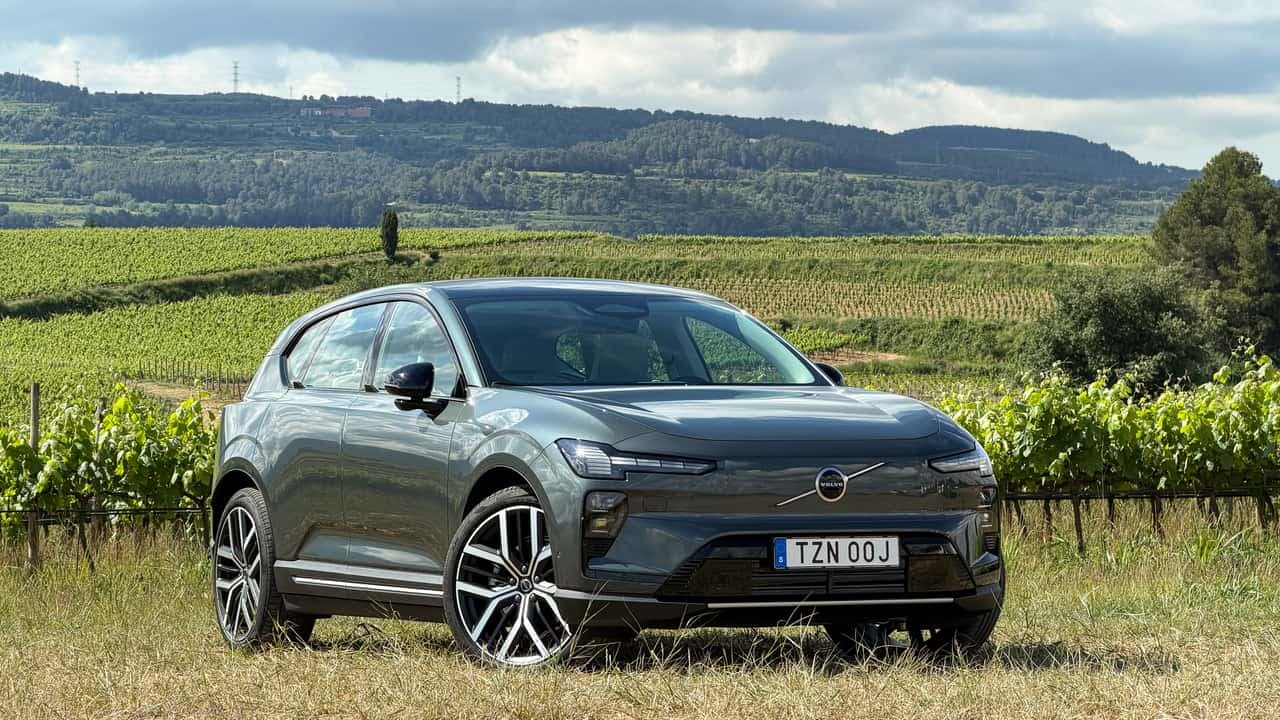
Setting a New Benchmark for Volvo
As the automotive industry shifts toward a pure electric future, Volvo is positioning its 2027 EX60 as a cornerstone of its recovery and market strategy. Amid a landscape of aggressive competition from both established European luxury players and rapidly evolving manufacturers, the EX60 is designed to prove that the brand can deliver a premium, high-efficiency machine. Recent testing by industry outlets has confirmed that the vehicle isn't just a paper contender; it is consistently exceeding its official range ratings when put to the test on public roads.
In a comprehensive evaluation of the Twin Motor Ultra all-wheel-drive trim, the SUV managed to cover 352 miles on a single charge. This figure represents a 13% improvement—or an additional 40 miles—over the official EPA estimate of 312 miles. Conducted using a balanced mix of 60% city driving and 40% highway conditions, these results suggest that the EX60 is optimized for the stop-and-go realities of modern commuting, rather than just the idealized laboratory cycles used for federal certification.
Technical Specifications and Charging Prowess
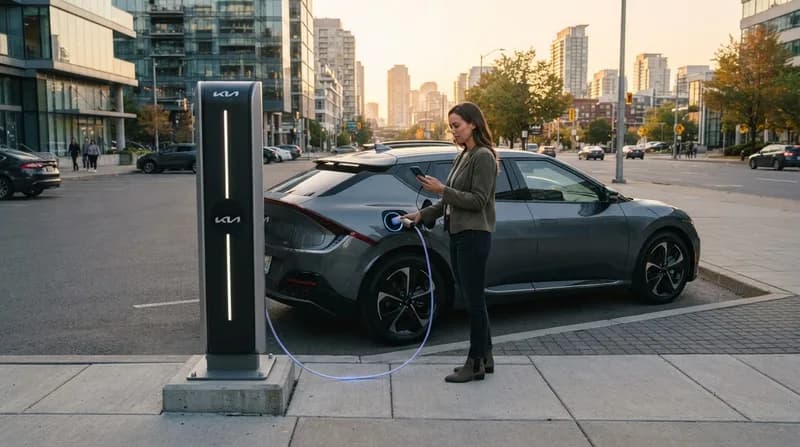
Beyond its impressive range, the EX60 is engineered to minimize downtime through cutting-edge charging architecture. The vehicle features a dual-tier battery strategy, catering to different driving needs. The entry-level P6 trim is equipped with an 83 kWh battery pack, while the more robust P10 trim houses a 95 kWh unit. Both configurations are designed to support rapid replenishment, capable of charging from 10% to 80% in just 16 minutes—a significant feat for an SUV in this segment.
Efficiency is further highlighted by the vehicle's output, which clocked in at 3.5 miles per kWh during real-world tests, notably higher than the EPA’s 3.3 miles per kWh rating. The charging infrastructure itself is quite sophisticated, with the P6 trim peaking at 320 kW and the P10 variant capable of pulling an impressive 370 kW. Looking ahead, Volvo has indicated that a high-performance P12 trim is in the pipeline, which aims to push total range capabilities toward the 400-mile mark, potentially setting a new standard for the brand’s electric fleet.
Why it Matters
- Real-World Reliability: By consistently beating EPA estimates, the EX60 helps alleviate lingering consumer range anxiety, proving that modern EVs can often deliver more than their advertised specs.
- Market Strategy: The EX60 represents a critical pivot for Volvo. Following a period of inconsistent sales and leadership changes, this SUV serves as a tech-forward solution aimed at reclaiming market share in the premium segment.
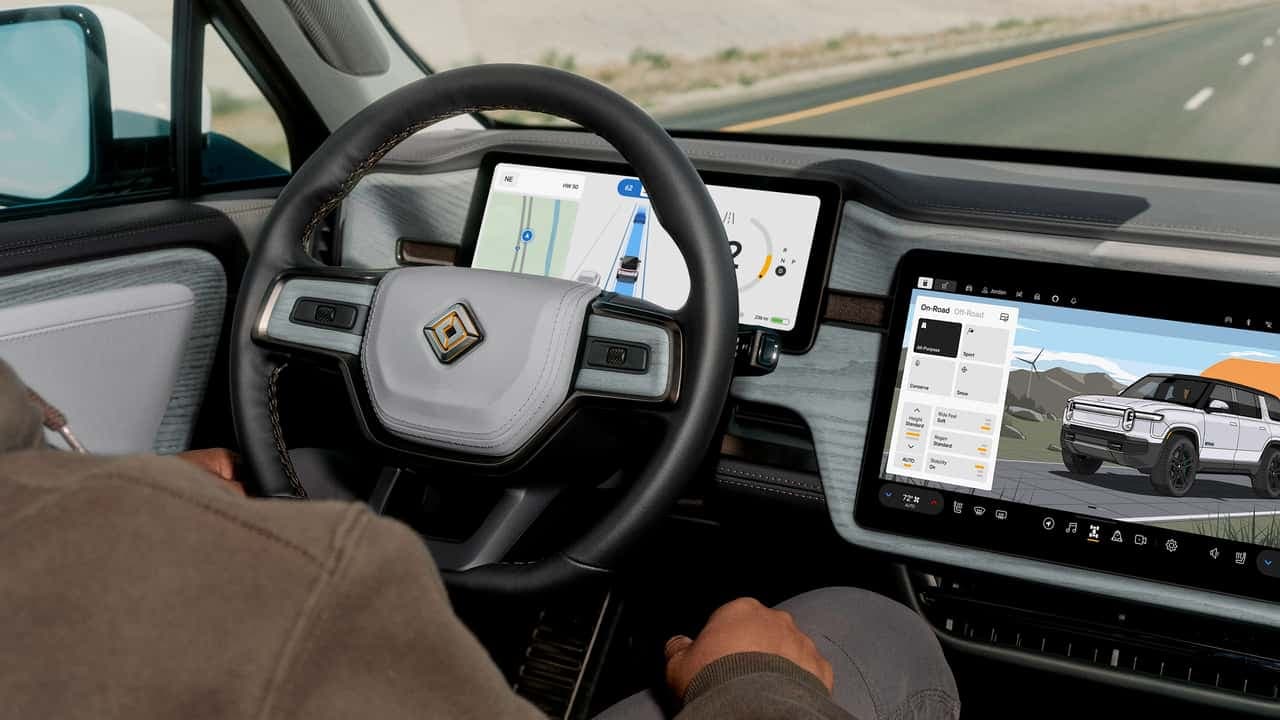
- Software Evolution: The vehicle moves away from the interface frustrations associated with older Volvo electric models, offering a streamlined, responsive software experience that aligns better with its premium positioning.
While these results are promising, it is important to note that efficiency remains dependent on environmental factors. The testing conducted in California’s temperate climate provides a best-case baseline; performance in extreme cold or mountainous terrain will vary. Regardless, the EX60 appears to have successfully combined a high-density battery architecture with smart thermal management to ensure that drivers spend less time tethered to charging stations and more time enjoying one of Volvo's most advanced driving platforms to date.