The Path to Autonomous Mobility
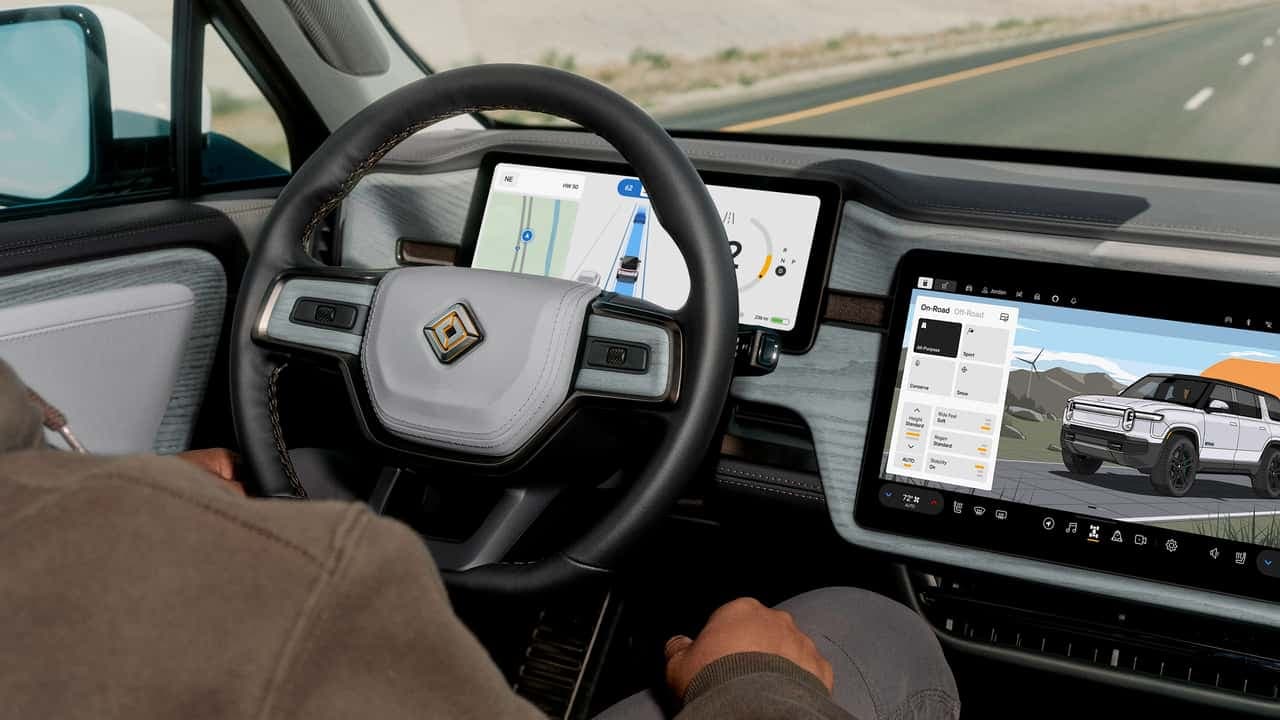
Rivian is officially accelerating its self-driving roadmap by introducing the Autonomy Early Access Program, a strategic initiative designed to stress-test the company’s most advanced driver-assistance features before their general release. By inviting a select group of owners into the development fold, the Irvine-based automaker aims to refine its upcoming point-to-point, hands-free driving capabilities through real-world data collection and user feedback.
This initiative represents a pivotal step in Rivian’s broader vision for automated transportation. Starting in late 2026, the program will initially debut with a limited cohort, focusing on the company’s vision-based hardware suite—a robust array consisting of 10 high-definition cameras and five radar sensors. This sensor fusion allows the vehicles to detect obstacles and other road users from up to 1,000 feet away, providing the necessary perception for advanced autonomy.
Program Participation and Requirements
Becoming an early tester for Rivian’s cutting-edge software is not merely a passive experience; it is a commitment that requires active participation. To qualify, applicants must possess a second-generation R1T or R1S, as these models house the necessary compute and sensor hardware absent in the first-generation vehicles. Furthermore, prospective participants must maintain an active Autonomy+ subscription, which currently retails for $49.99 monthly or a one-time fee of $2,500.
The selection process is highly selective, with Rivian vetting candidates based on their historical driver safety records—tracking metrics such as forward collision warnings and verified collision incidents. Beyond a clean safety history, applicants must demonstrate high usage of existing Autonomy features. Once accepted, the commitment intensifies: participants are required to log technical issues, enable persistent data and camera sharing, complete monthly surveys, and occasionally engage in one-on-one focus group interviews. To ensure the software remains in the hands of dedicated testers, Rivian will review membership status every 30 days, with the authority to revoke access if engagement levels fall below expectations.
The Road Ahead: Implications and Context
While the prospect of point-to-point navigation is significant, it is important to clarify that these systems remain under the 'supervised' category. Much like the industry-standard 'Full Self-Driving' systems offered by competitors, Rivian’s tech mandates that the driver maintains eyes on the road at all times, despite the vehicle performing steering, acceleration, and braking maneuvers independently. This emphasis on safety and driver accountability remains central to the company’s philosophy as it rolls out features like automated parking and highway on-ramp to off-ramp navigation.
Why it Matters
- Hardware Synergy: The reliance on 10 HD cameras and five radars signals a shift toward a sensor-heavy vision approach, moving away from lidar in some configurations to prioritize scalable, AI-driven computer vision.
- Development Feedback Loop: By turning customers into active testers, Rivian can harvest massive amounts of edge-case data that would otherwise require years of internal simulation or smaller-scale testing fleets.
- Competitive Positioning: As Tesla and other manufacturers push deeper into the autonomous space, this program allows Rivian to keep pace, ensuring that the software capabilities of its R2 and second-generation R1 platforms remain highly competitive in the premium EV market.
Looking forward, the company is expected to provide further granularity on its software roadmap, including technical breakthroughs in perception and decision-making, during its highly anticipated Autonomy & AI Day on December 9. For now, the Early Access Program stands as a rigorous testbed for the future of the Rivian driver experience.