The Rise and Fall of the HyperHybrid
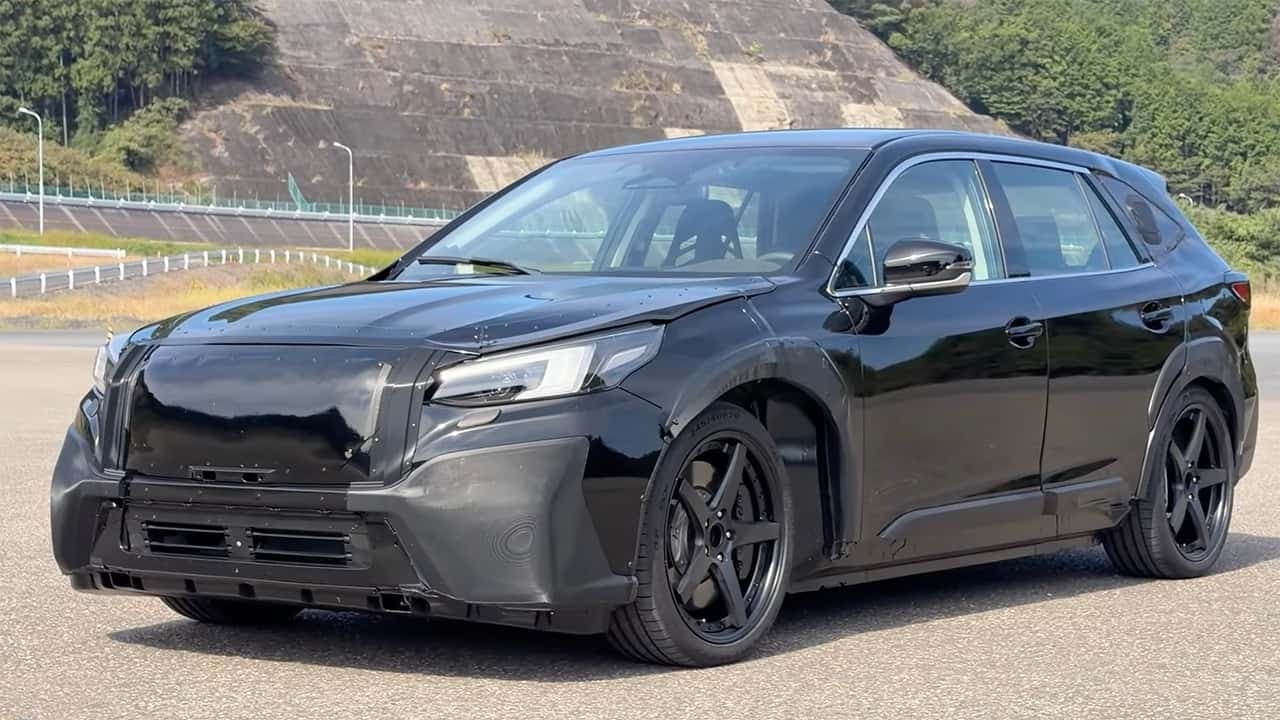
The Austrian-based Obrist Group, a developer that once grabbed global headlines for retrofitting Tesla Model 3 vehicles with combustion engines, has officially hit an economic wall. The company, which aimed to revolutionize the electric vehicle market by installing compact two-cylinder petrol engines into the frunks of EVs, has filed for insolvency for its primary development subsidiaries. This "HyperHybrid" concept sought to use a small internal combustion engine solely as an onboard generator, theoretically reducing battery size and vehicle weight to improve efficiency and lower costs.
Beyond its hybrid powertrain work, the company had diversified its ambitions, exploring the production of synthetic methanol derived from atmospheric CO2. Despite these high-tech pursuits, the firm struggled to translate its prototypes into commercial reality. Years of significant investment into research, development, and patent protection failed to generate the necessary revenue from license sales to keep operations afloat.
The Scale of the Financial Collapse
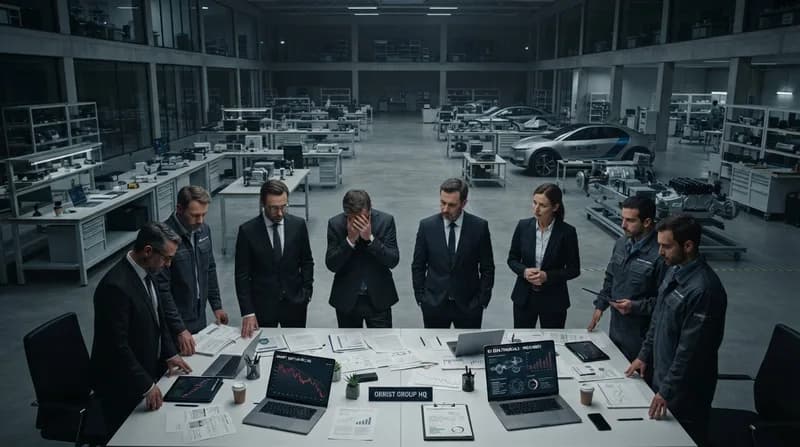
The insolvency proceedings, handled by the Feldkirch Regional Court in Austria, mark a definitive end to the development operations. Three specific entities are impacted: Obrist Powertrain GmbH, Obrist Technologies GmbH, and the German-based subsidiary Obrist DE. Together, these branches carry a combined debt burden of approximately €31.8 million. The breakdown of the Austrian liabilities alone is substantial, with Obrist Powertrain GmbH reporting €18.85 million in debt and Obrist Technologies GmbH accounting for an additional €6.08 million.
Management has explicitly stated that restructuring is not an option, meaning the affected subsidiaries will undergo immediate liquidation. Fourteen employees are facing job losses as a result of the closure. Notably, the parent entity, Obrist Engineering, remains separate and unaffected. This division, which focuses on vehicle air conditioning and thermal management systems, reportedly continues to operate as an economically stable business.
Why It Matters
- Shifting Market Priorities: The insolvency highlights the difficulty of marketing hybrid technologies in a landscape dominated by the industry-wide pivot toward purely battery-electric vehicle architectures.
- Capital Intensity: The collapse underscores the massive financial runway required for automotive startups to move from conceptual prototyping to series production.
- Asset Liquidation: Court-appointed administrators are now tasked with evaluating the company’s extensive patent portfolio, which represents the most significant remaining asset for creditors looking to recover losses.
Ultimately, the failure to secure a rescue deal with foreign investors and the broader cooling of the European automotive market finalized the company's fate. While the dream of the "HyperHybrid" as a bridge technology may be fading, the industry will watch closely to see which, if any, of the group's intellectual property assets find a second life under new ownership during the liquidation process.