The Longevity Question
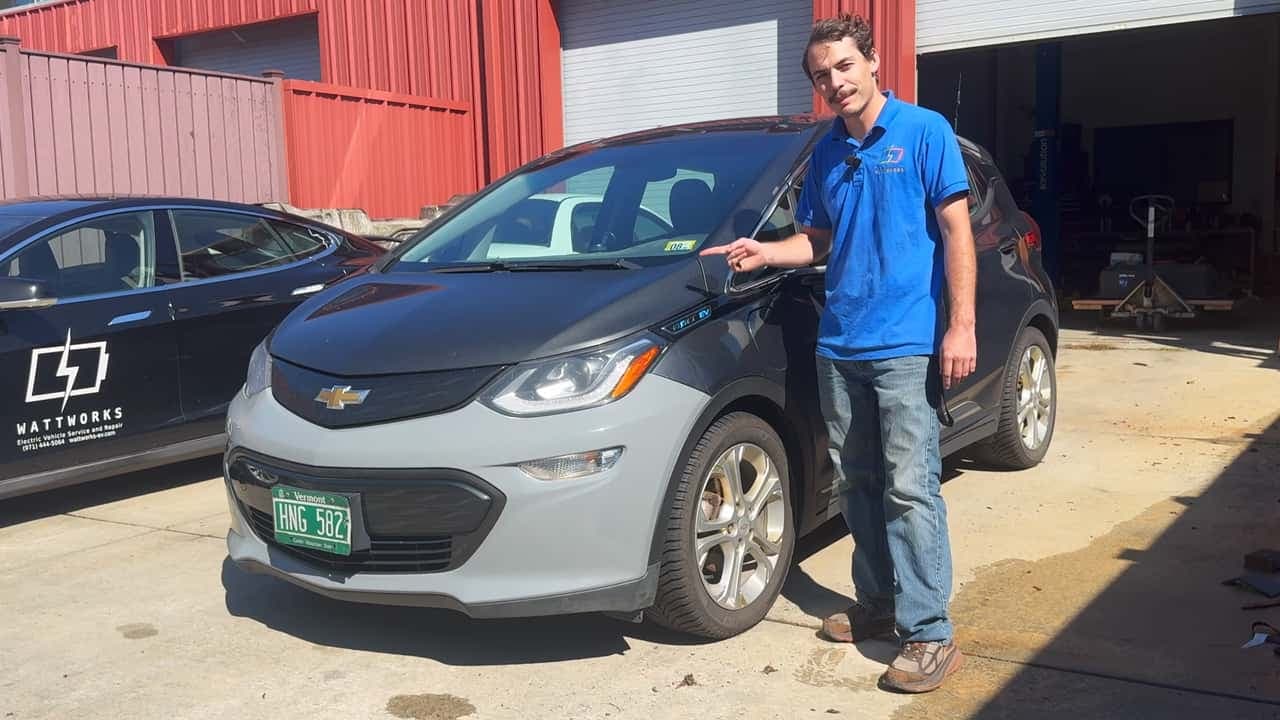
For years, the primary concern surrounding long-term electric vehicle ownership has been the inevitable degradation of the high-voltage battery pack. Skeptics often point to potential replacement costs as a reason to stick with internal combustion engines. However, a recent case study involving a 2019 Chevrolet Bolt EV with 471,000 miles on the odometer provides compelling evidence that EVs are not only capable of impressive longevity but are also surprisingly manageable to maintain once they reach high mileage.
The vehicle in question, serviced by Out of Spec Renew, serves as a proof-of-concept for the viability of long-term EV ownership. The car, which had previously undergone a battery recall replacement in 2022, finally encountered cell imbalances in two modules that prevented the vehicle from shifting into drive. Rather than retiring the vehicle, the owner opted for a battery swap, proving that the modular design of modern electric platforms can breathe new life into aging hardware.
The Replacement Process: Efficiency at Scale
One of the most surprising takeaways from the repair is how streamlined the process has become. Unlike replacing an internal combustion engine, which often involves complex mechanical synchronization and intensive labor, the battery swap for the Chevy Bolt was completed in roughly four and a half hours. The procedure, as documented by the repair shop, involved a systematic approach: disconnecting the 12-volt auxiliary power, removing the high-voltage safety plug, and unbolting the battery pack from the vehicle's chassis while it rested on a lift.
The physical removal and installation of the pack are straightforward, requiring only the disconnection of electrical cables and a pair of coolant hoses. Once the replacement pack was secured, the technicians simply purged the cooling system of air pockets and programmed the battery management system to recognize the new unit. This level of serviceability challenges the misconception that EVs are "disposable" once the original battery reaches its cycle limit.
Key Economic Takeaways
- Total Labor Time: Approximately 4.5 hours for a complete swap.
- Component Sourcing: The replacement pack was a pre-owned unit with approximately 15,000 miles of usage.
- Direct Hardware Costs: While the shop sourced the unit for $1,800, retail prices for a quality used battery pack typically range between $2,500 and $3,000.
- Total Investment: Factoring in labor costs of $800 to $1,000, a complete high-voltage battery overhaul is effectively comparable to—or cheaper than—a major transmission or engine repair on a modern internal combustion vehicle.
Why It Matters
This repair highlights a critical shift in the automotive landscape: the emergence of a secondary market for EV components. As more electric vehicles exit their original warranties, the availability of used battery packs and the standardization of repair procedures will be essential for keeping cars on the road longer. By showing that a vehicle can continue operating well past 400,000 miles with simple component replacements, this Bolt serves as a case study for future EV maintenance models, proving that the "battery anxiety" often peddled by industry skeptics is increasingly becoming a non-issue as the aftermarket matures.