The Shift in Fiscal Policy
The landscape for Chinese electric vehicle manufacturers is about to shift significantly. The Chinese government, through the Ministry of Finance and the State Taxation Administration, has announced a calculated reduction in value-added tax (VAT) rebates for the export of new energy vehicles (NEVs). This policy update, scheduled to take effect on April 1, 2027, will see rebate rates for battery-electric passenger cars, plug-in hybrids, electric buses, and electric tractor units drop from 13 percent to 9 percent.
For years, the 13 percent rebate served as a critical fiscal cushion, effectively neutralizing double taxation and enabling Chinese automakers to offer highly aggressive pricing in foreign markets. By cutting the rebate by four percentage points, the state is effectively introducing a new cost layer that manufacturers will have to absorb. While consumption tax exemptions remain unchanged, the loss of this direct rebate represents a clear move by Beijing to shift the industry from a subsidized growth model to one dictated by organic market forces.
Why it Matters: The Maturation of an Industry
The decision to scale back support is rooted in the broader economic strategy of phasing out subsidies for sectors that have reached global market maturity. Observers note that this isn't an isolated event; a similar trajectory has been seen in other green-tech sectors, such as solar modules and battery production, where rebates have been systematically reduced or eliminated entirely. The goal is to force Chinese firms to pivot their international strategy from price-centric competition toward competition based on technical innovation, service quality, and brand equity.
Key Implications for Global Markets
- Margin Compression: Analysts at Deutsche Bank predict that industry leader BYD could see net profits drop by approximately 5,000 yuan (~€670) per exported vehicle.
- Strategic Pivot: With domestic sales showing signs of stagnation—evidenced by a 9.4 percent decline in September 2026—manufacturers will have to choose between raising prices or drastically improving operational efficiencies.
- Market Consolidation: Smaller players with thinner margins may struggle to absorb these costs, potentially leading to increased consolidation across the Chinese automotive sector.
- Global Competition: By reducing the state-sponsored price advantage, the move may ease some of the intense trade pressure currently facing Chinese exporters in the European and North American markets.
The Road Ahead for Automakers
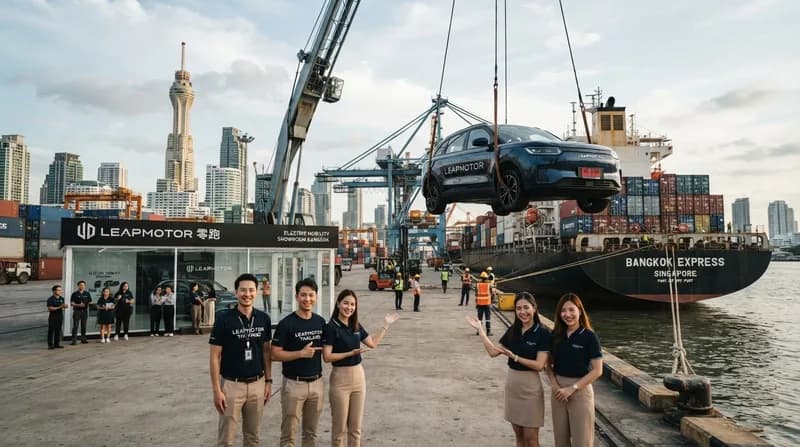
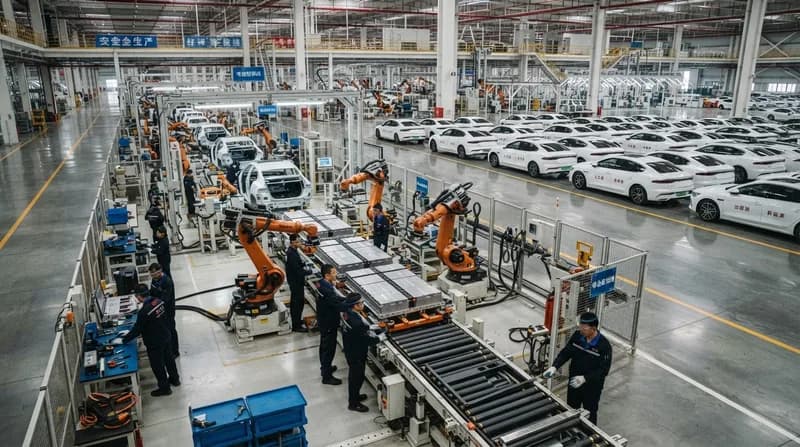
This policy change comes at an incredibly delicate time. Data from the China Association of Automobile Manufacturers (CAAM) shows that while domestic sales have been sluggish, exports have been the primary engine of growth, surging 130 percent in the first three quarters of 2026. For major automotive groups like BYD, which has exported over 1.34 million vehicles this year, the margin hit is substantial. Other major exporters, including Chery, Geely, SAIC Motor, and Xpeng, now face the same reality: the era of easy, subsidized expansion is drawing to a close, and the next phase of the global EV race will be defined by lean manufacturing and the genuine competitiveness of their product line-ups.