Closing the Loop on EV Energy
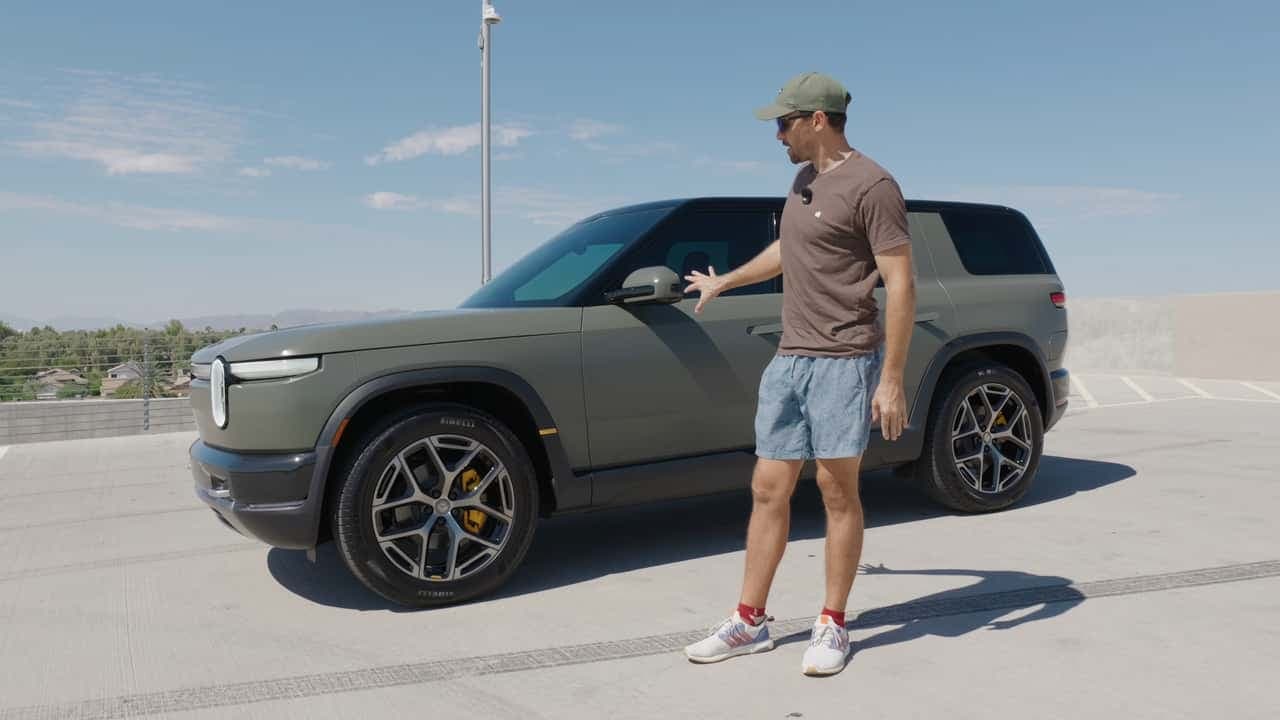
Rivian and battery circularity expert Redwood Materials have announced a major expansion of their existing partnership, signaling a shift toward a more sustainable, end-to-end energy lifecycle for electric vehicles. This strategic collaboration focuses on managing the entire lifespan of Rivian’s battery packs, ensuring that components are either granted a second life in stationary storage or broken down into valuable raw materials for future production.
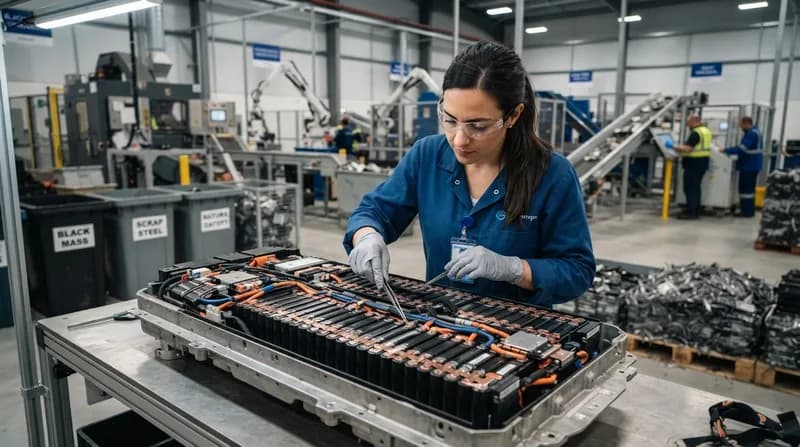
The initiative centers on a streamlined collection process. Redwood Materials will leverage Rivian’s extensive nationwide network of service centers to gather retired EV battery packs. Once collected, each unit undergoes a comprehensive evaluation process. The goal is to determine the optimal path for each battery: if it retains sufficient capacity, it will be repurposed for stationary energy storage—potentially powering Rivian’s own manufacturing plants or other strategic locations. If the battery is deemed unsuitable for a second life, it will undergo advanced recycling to reclaim critical metals like cobalt, nickel, copper, and lithium.
The Expansion of Production and Recycling
Beyond managing decommissioned packs, the partnership now includes the recycling of production scrap generated during Rivian's vehicle manufacturing. By capturing battery waste directly from the assembly line, the companies aim to minimize industrial waste and secure a domestic supply chain for the essential materials required to build the next generation of EV batteries.
This development significantly escalates a collaboration that began earlier in 2026, which was initially centered on a pilot program involving 10 MWh of battery storage capacity at Rivian’s manufacturing facility in Normal, Illinois. By moving from a single pilot project to a comprehensive, nationwide recycling and repurposing ecosystem, both firms are positioning themselves as leaders in the push for a circular economy within the North American automotive sector.
Why it Matters
- Circular Economy: Reduces reliance on virgin raw material mining by recycling critical elements like lithium and cobalt.
- Energy Storage: Second-life batteries provide a cost-effective, sustainable way to power large-scale manufacturing operations.
- Supply Chain Security: By recycling manufacturing waste, Rivian secures a domestic, stable loop of battery components.
- Scalability: Utilizing a nationwide service network ensures that end-of-life management is as seamless as the vehicle ownership experience itself.
For Redwood Materials, this move aligns with their strategic transition over the last year. While the company remains deeply committed to high-efficiency recycling, it has increasingly pivoted toward the engineering and deployment of stationary energy storage systems, utilizing these repurposed automotive packs as the cornerstone of their energy storage solutions.