The Rivian R2 Ownership Experience
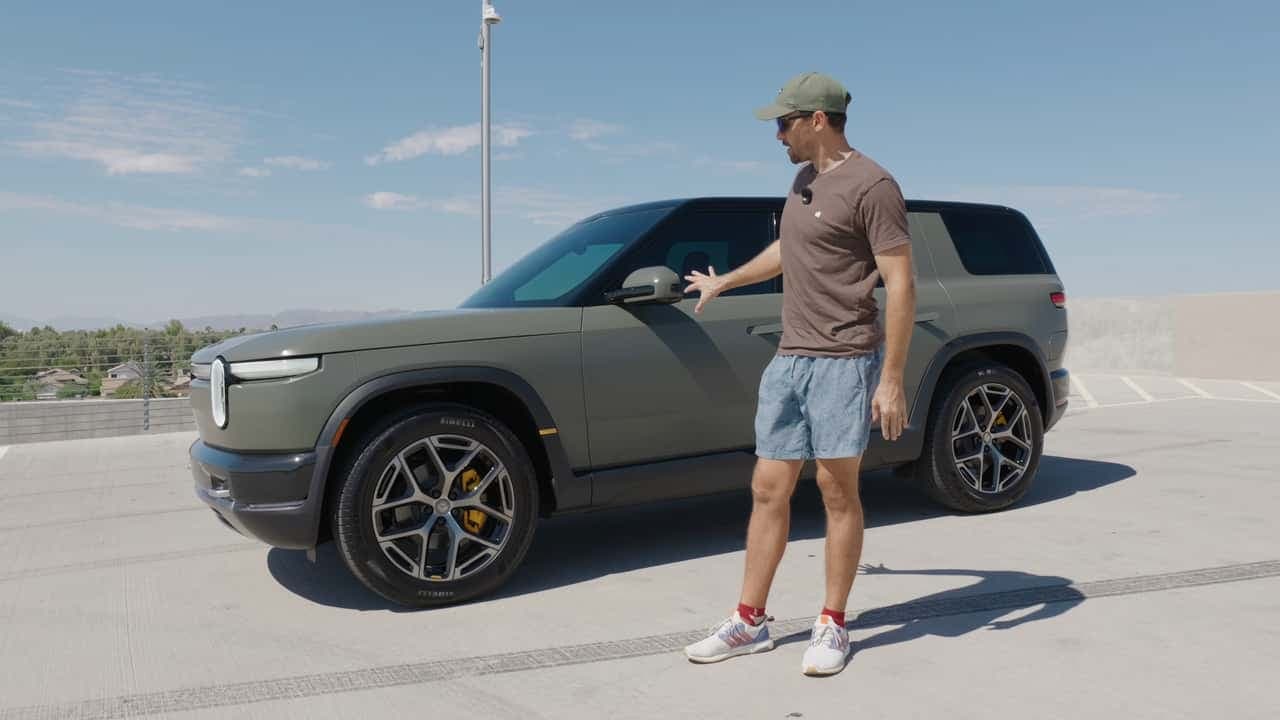
As Rivian looks to cement its position as a major player in the automotive industry, the R2 has emerged as the most critical vehicle in its lineup. Designed to bring the brand’s signature adventure-ready aesthetic to a more accessible price point, the mid-size SUV is now reaching early adopters. Two months into the ownership cycle, initial reports paint a picture of a vehicle that excels in daily comfort and clever utility, even if it occasionally struggles with the realities of high-speed highway travel.
The R2's interior design remains a highlight, focusing on ergonomic efficiency and thoughtful storage. Owners have been quick to praise the abundance of cupholders and cubbies, which cater to the needs of modern, on-the-go users. Unique features, such as a one-touch button that deploys all five windows simultaneously—including the rear glass that retracts into the tailgate—have become standout party tricks that underscore the vehicle's approachable, fun-loving character. Furthermore, software-driven improvements have already smoothed out initial delivery-day quirks, reinforcing Rivian’s commitment to refining its fleet through over-the-air updates.
Performance and Tech Integration
For those opting for the Launch Package, the ownership experience is bolstered by Rivian’s Universal Hands-Free driver assistance system. The technology has been lauded for its reliability during lane changes, provided the driver initiates the command. Complementing this, the vehicle's safety tech includes a high-definition blind-spot camera that projects directly into the digital instrument cluster, significantly simplifying navigation in dense traffic. The result is a machine that feels intuitive, sophisticated, and remarkably easy to handle as a primary vehicle.
The Efficiency Asterisk
Despite its many successes, the R2 faces the classic electric vehicle trade-off: aerodynamics versus range. Owners have noted a significant discrepancy between EPA-estimated range and real-world highway performance. When pushing the vehicle at speeds exceeding 70 miles per hour, the SUV’s boxy, adventure-focused silhouette acts as a drag-heavy brick, leading to consumption figures of approximately 2.93 miles/kilowatt-hour. While the vehicle may display a promising range on the dash, high-speed travel can see that number drop significantly in practice.
Why It Matters
The Rivian R2 represents a pivot point for the brand. It is an attempt to balance the rugged, outdoorsy identity of the R1 line with the practical needs of the mass market. While its efficiency at high speeds serves as a reminder of the physical limitations of SUV design, its rapid charging capabilities help mitigate these concerns for long-distance travelers. The ability to complete a 10-to-80% charge in under 30 minutes on a 400-volt architecture remains a competitive advantage that keeps the R2 relevant for those who plan to venture beyond the city limits.
Outlook and Implications
As more R2 units hit the road, Rivian will likely continue to balance consumer demands for features with the need for better range optimization. Future software iterations may further improve the accuracy of range forecasting, helping owners better plan their trips. For now, the R2 stands as a testament to Rivian's engineering talent, blending high-end tech, a comfortable ride, and a user-centric design language that elevates the mid-size EV segment.