Expanding Connectivity at YHU
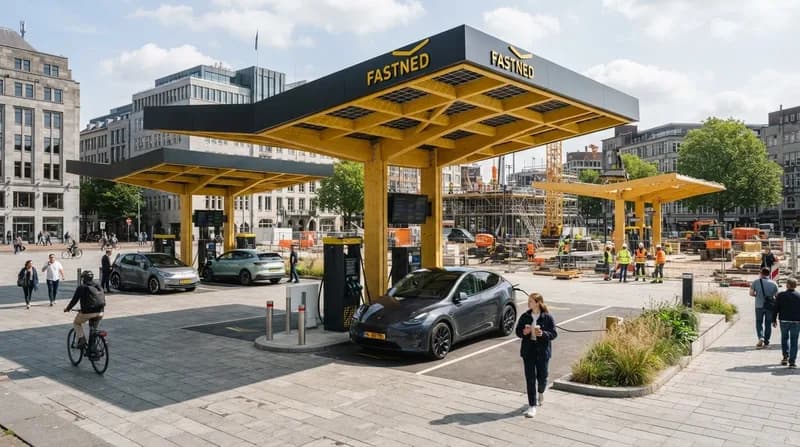
Montréal Metropolitan Airport (YHU) is making a major leap in its electrification strategy through a new partnership with hardware provider Wallbox and electrical specialist EDP électrique. The collaborative project has resulted in the successful deployment of 120 EV charging points at the facility, marking a critical step in providing robust infrastructure for airport personnel, operations teams, and the traveling public. This current installation is merely the foundation for a larger network, with plans already confirmed to integrate an additional 48 units once current terminal construction phases are wrapped up, bringing the total site capacity to 168 chargers.
The installation relies on Wallbox’s Pulsar Pro AC hardware, selected for its ability to handle high-traffic environments. Beyond just the physical hardware, the project emphasizes intelligent energy distribution. By utilizing Wallbox’s proprietary Power Sharing technology, the airport can effectively manage electrical load across the entire cluster of chargers. Instead of requiring massive grid upgrades to support every port at peak output, the system intelligently balances available power to ensure consistent, reliable charging across the network as vehicles arrive and depart.
Infrastructure Management and Future-Proofing
The network is centrally managed via Foresta’s charging infrastructure platform, a decision that streamlines the complexity of a site of this scale. This software layer handles essential functions ranging from network monitoring and diagnostics to user payment processing. By integrating this management platform, the airport ensures that the charging experience remains seamless for users while providing site administrators with real-time analytics on energy usage and hardware performance.
The coordination for this complex deployment was led by EDP électrique, which orchestrated the synergy between various stakeholders including electrical contractor EG Électrique and distributor Westburne. This collaborative approach highlights a growing trend in commercial infrastructure: moving away from standalone chargers toward integrated, scalable energy ecosystems. While specific power ratings for the individual YHU units have not been finalized for disclosure, the architecture is clearly designed with long-term adaptability in mind.
Why It Matters
- Scalability: By utilizing load-balancing software like Power Sharing, airports can deploy high numbers of chargers without triggering prohibitive costs for grid expansion.
- Integrated Ecosystems: The reliance on management platforms like Foresta underscores that hardware is only as useful as the software managing it.
- Strategic Expansion: Following similar large-scale projects at major hubs like Munich Airport, this move signals that Wallbox is positioning itself as a primary player in the global airport charging market.
The project arrives at a time when major international transit hubs are under increasing pressure to meet sustainability targets. By standardizing on intelligent, networked hardware, YHU is not just solving for the immediate needs of today’s commuters, but is also setting the stage for a fully electrified ground fleet and increased public EV adoption in the region.