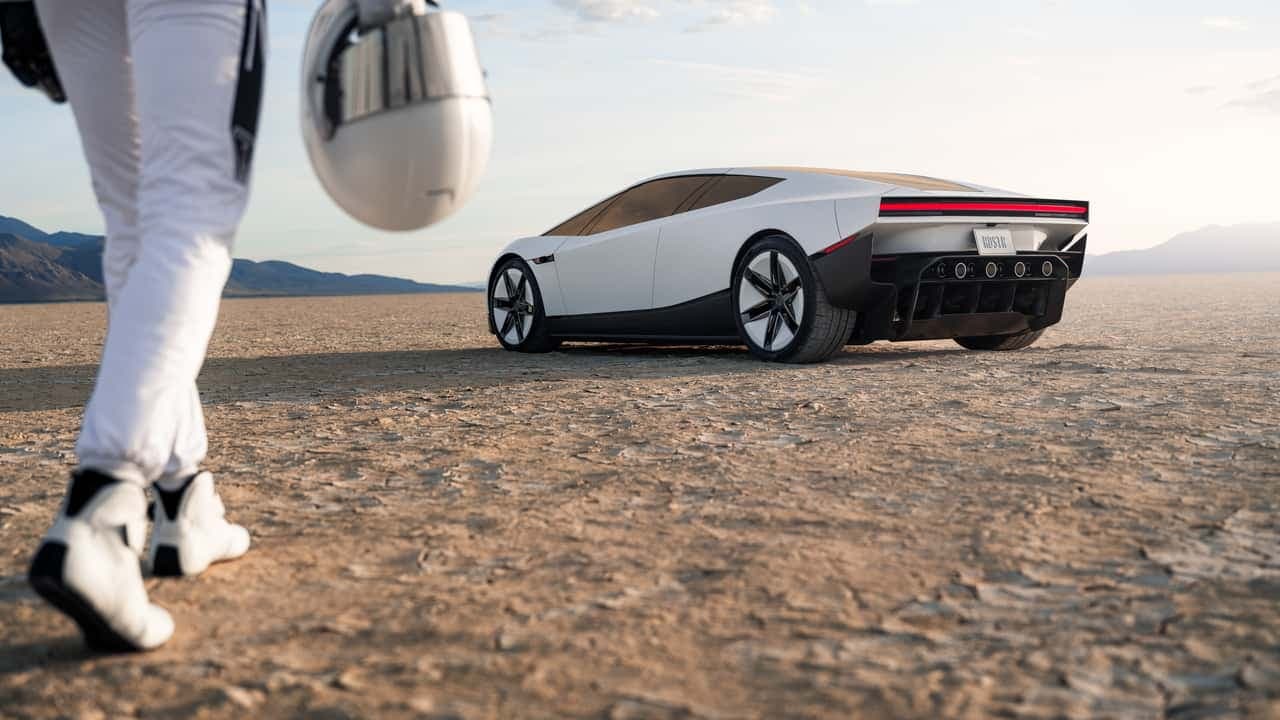
The Long Wait for a Hypercar
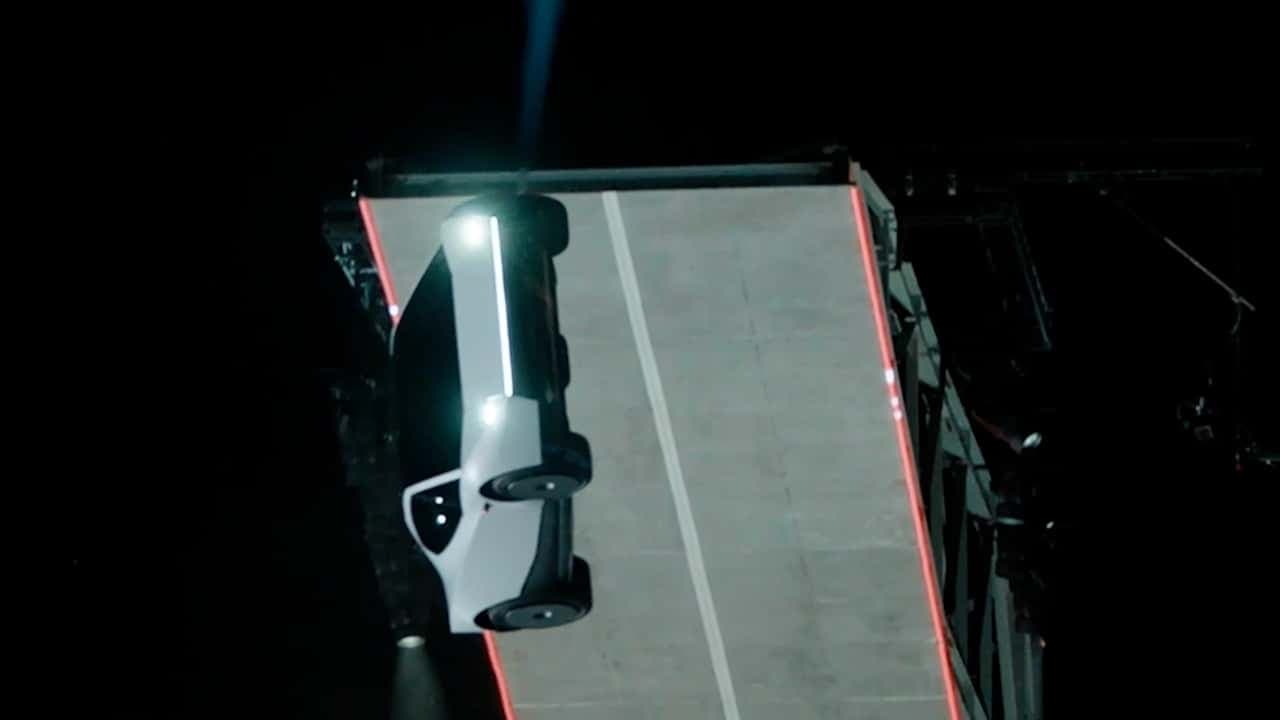
After nearly a decade of anticipation, cryptic updates, and shifting timelines, Tesla has once again brought the next-generation Roadster to the forefront of the automotive conversation. Following a high-profile re-reveal that showcased engineering feats ranging from extreme performance capabilities to the dramatic, albeit cinematic, promise of "thruster-assisted" maneuverability, the vehicle has solidified its status as a lightning rod for electric vehicle enthusiasts. However, the path to the driveway remains as ambiguous as it was when the concept was first teased in 2017.
While prospective buyers are eager to secure a spot in the queue for a machine boasting over 1,300 horsepower, the fine print of the reservation process tells a more sobering story. According to the official documentation provided by Tesla, holding a reservation is not a guarantee that a customer will ever take delivery of a physical vehicle. The agreement explicitly clarifies that the Roadster remains in an active state of development, effectively placing the project in a position where, despite the significant financial commitments required from potential owners, the company cannot commit to a definitive delivery schedule or, more critically, the certainty of a final production run.
Understanding the Reservation Fine Print
The reservation agreement serves as a stark reminder of the volatile nature of hypercar development. By placing a deposit—which can reach as high as $250,000 for top-tier iterations—customers are essentially purchasing an "approximate" place in a line for a product that has not yet finalized its hardware, software, or even its manufacturing roadmap. Tesla’s documentation notes that the project is still undergoing significant iteration regarding the final features and hardware, meaning the vehicle eventually shipped could differ substantially from the specs showcased in promotional materials.
Furthermore, the pricing structure remains entirely fluid. Tesla has stated that any cost figures presented at the time of reservation are strictly estimates. The final purchase price will only be confirmed once a customer reaches the configuration phase, which remains tethered to a launch target currently pinned to 2028. This leaves early adopters in a unique position: they are providing significant capital for a vision of the future that is still being written, with no contractual assurance that the vision will actually manifest in the real world.
Why it Matters
- Financial Transparency: The reservation system highlights the distinction between a pre-order and a legal sales contract, as Tesla maintains the right to refund deposits should the vehicle fail to reach production.
- Development Volatility: The admission of uncertainty underscores the immense difficulty of balancing high-performance "fighter jet" engineering with mass-production scalability.
- Consumer Protection: While non-transferable, the reservation is fully refundable, offering a safety net for those who may tire of waiting for a vehicle that has spent nearly ten years in the pipeline.
- Market Strategy: The open-ended nature of the agreement allows Tesla to iterate on the Roadster’s complex technology without the immediate pressure of rigid, early-stage delivery commitments that could stifle engineering breakthroughs.
Ultimately, the latest Roadster rollout demonstrates that even at the highest levels of the EV industry, the gap between a compelling demo and a production-ready vehicle remains vast. For those willing to stake a quarter-million dollars on the brand, the Roadster represents a leap of faith into a performance envelope that currently exists only on paper and in highly controlled testing environments. Whether this decade-long journey culminates in a street-legal reality by 2028 or remains an engineering masterclass that never leaves the factory floor, the conversation surrounding the Roadster continues to define the limits of automotive expectation.