Massive Production Scale-Up
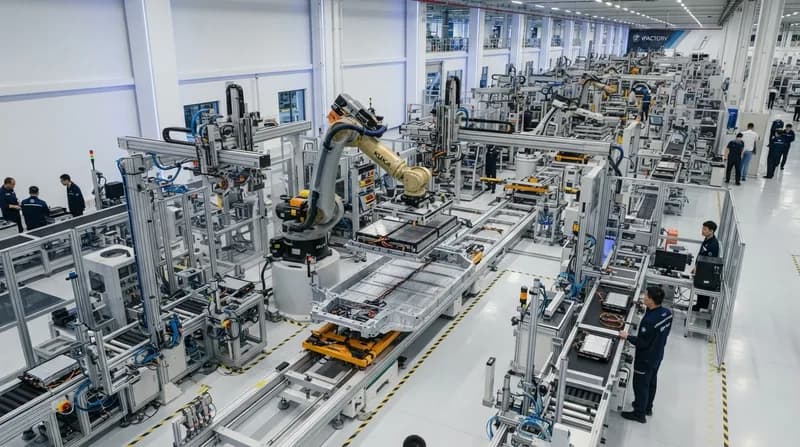
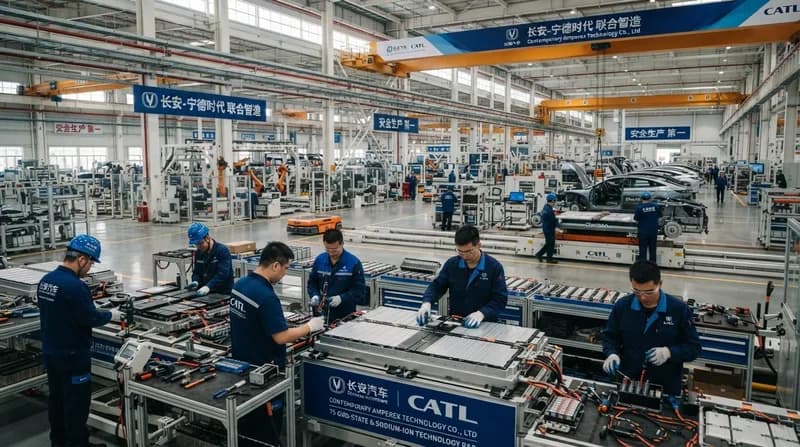
In a move that signals a major consolidation of the Chinese electric vehicle supply chain, automaker Changan and battery giant CATL have announced a substantial expansion of their joint venture. The partners are increasing their planned battery cell production capacity from 50 GWh to a staggering 75 GWh. This 25 GWh surge is supported by an estimated five-billion-yuan investment into a new 700,000-square-metre facility situated within the high-tech industrial corridor between Chongqing and Sichuan Province.
Construction of this massive plant is slated to begin in 2027, with the additional production capacity projected to come online within three years of operations starting. The joint venture, which was established in 2023, already serves as the backbone for several of Changan’s electric sub-brands, including Avatr, Deepal, and Nevo. By centralizing manufacturing, Changan ensures a secure supply line for its expanding EV portfolio while maintaining close integration with CATL’s latest cell advancements.
Pioneering Next-Generation Chemistries
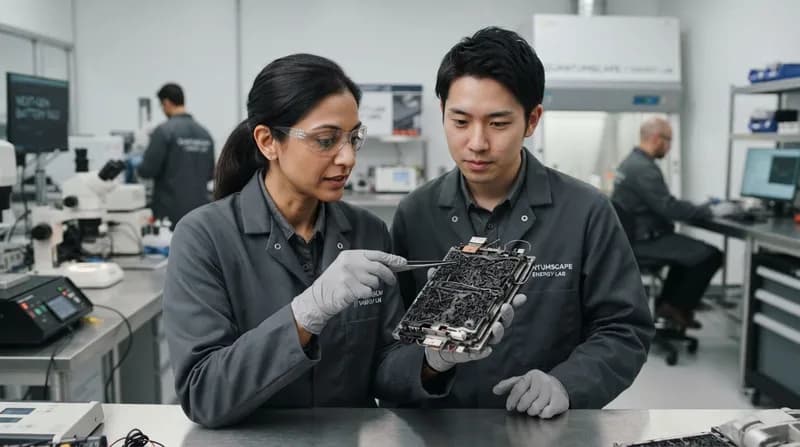
Beyond simple volume, the collaboration is pivoting toward technological leadership in battery innovation. A primary focus of the expanded partnership is the commercialization of solid-state and sodium-ion battery chemistries. Changan is aggressively developing its proprietary “Golden Bell” solid-state cells, which boast ambitious performance targets: energy densities reaching 400 Wh/kg, 6C ultra-fast charging capabilities, and the capacity for over 5,000 charging cycles. These cells are designed to support vehicle ranges exceeding 1,500 kilometres, with commercial series production expected to ramp up by 2027.
While solid-state remains the long-term goal, sodium-ion technology is already finding its way onto the road. CATL’s Naxtra sodium-ion cells, which offer an energy density of 175 Wh/kg, are being deployed in Changan’s Oshan models and the Nevo A06 sedan. By achieving energy densities that rival current lithium-iron-phosphate (LFP) batteries, this sodium-ion implementation provides a cost-effective alternative that reduces reliance on expensive and scarce raw materials like lithium, directly benefiting Changan’s mass-market passenger vehicle strategy.
Why It Matters
- Supply Chain Security: By scaling to 75 GWh, Changan effectively buffers its EV brands against market volatility and supply shortages.
- Technological Convergence: The dual-track approach—balancing mature sodium-ion for cost-efficiency and experimental solid-state for performance—positions the duo to dominate multiple price segments.
- Standardization: With the implementation of the new GB/T 48093.1-2026 standards, the industry is entering a more mature phase of battery classification, allowing for more reliable, large-scale deployment of semi-solid and solid-state tech.