The Path to Eyes-Off Driving
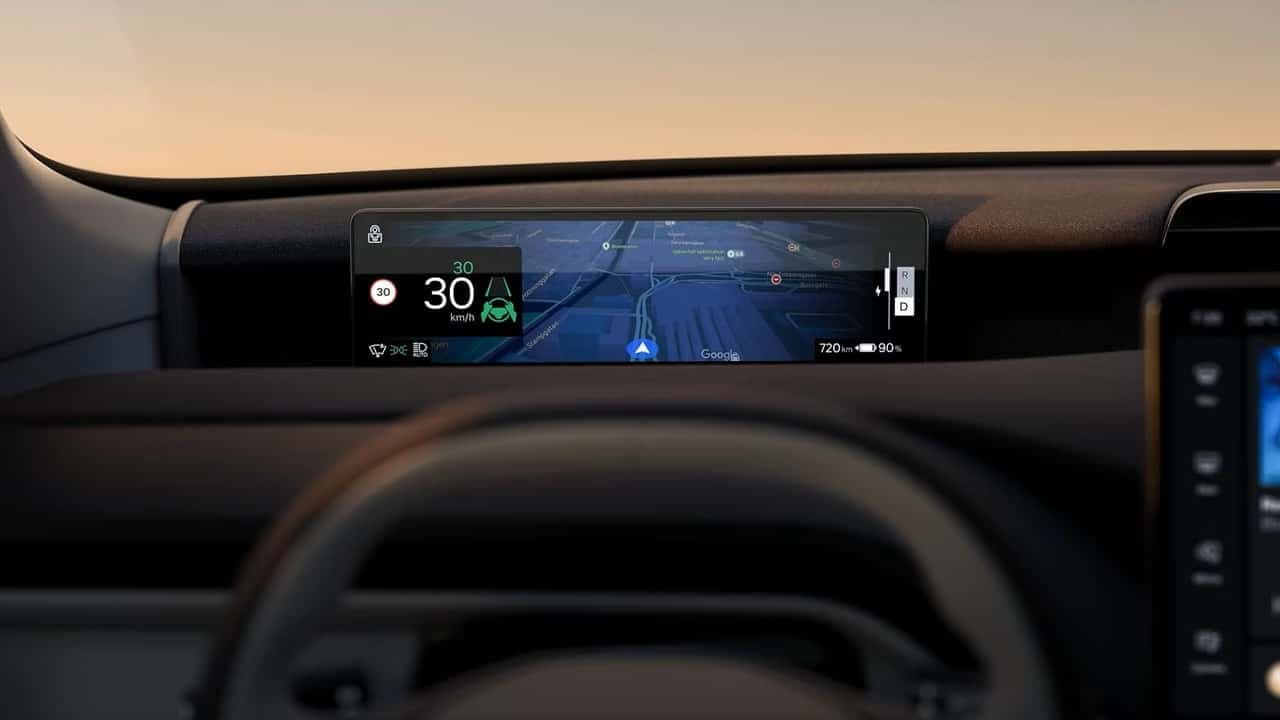
Volvo is making a significant leap in its autonomous driving strategy by partnering with Nvidia to overhaul its existing driver assistance infrastructure. The Swedish automaker has announced it will integrate the powerful Nvidia Hyperion platform into its future vehicle lineups. This transition is designed to move beyond the limitations of the current Pilot Assist system—which is primarily restricted to well-marked highways—toward a more capable, point-to-point automated experience suitable for complex urban environments.
By 2030, Volvo intends to offer vehicles capable of full hands-free operation. While the immediate goal is to provide a user experience akin to existing market leaders in the hands-free space, the long-term vision is even more ambitious: "eyes-off and mind-off" driving. This evolution relies on the integration of high-performance computing hardware coupled with sophisticated software stacks capable of interpreting real-world traffic scenarios in real-time.
The Tech Stack: Nvidia Hyperion and Alpamayo
At the heart of this upgrade is Nvidia’s Hyperion, a comprehensive platform that bundles high-powered processing units with a robust suite of sensors, including cameras, radar, and the option for lidar. This hardware backbone allows the vehicle to perceive its surroundings with high fidelity, identifying road markings, traffic lights, and stop signs without relying on pre-mapped data. By eliminating the reliance on static maps, Volvo's future vehicles gain the flexibility to navigate diverse and unpredictable driving conditions.
Complementing the hardware is the Alpamayo software stack. This utilizes advanced reasoning models to process environmental data, allowing the vehicle to make critical decisions such as when to accelerate, brake, or execute unprotected left turns. Unlike traditional systems that follow rigid programmed rules, these reasoning-based models can adapt to rare, edge-case scenarios that the system may not have been explicitly trained for. This adds a layer of transparency to the vehicle's decision-making process, as each action can be traced and audited for safety verification.
Why It Matters
- Safety Reputation: As a brand historically defined by safety, Volvo is leveraging this technology to cement its status in an era where automated features are becoming a primary consumer demand.
- Level 2++ Capabilities: By pushing beyond traditional SAE levels, Volvo is targeting "Level 2++" functionality, offering significant automation that handles complex city navigation while still prioritizing an auditable safety architecture.
- Strategic Flexibility: The modular nature of the Hyperion platform ensures that Volvo can scale its sensor suite, including the future addition of lidar if required for higher-tier autonomy levels.
Future Outlook
While the industry continues to debate the exact timeline for fully autonomous vehicles, Volvo’s move signals a shift toward making high-level driving assistance a standard fixture in the premium automotive market. The company has not yet disclosed which specific models will be the first to receive this technology, nor has it provided a specific date for the rollout of the "eyes-off" capability. However, with the 2030 target set for their next-generation vehicle architecture, the collaboration underscores a pivot toward AI-integrated mobility, where the car functions as an intelligent partner rather than just a mechanical vessel. As competition in the automated driving space heats up, Volvo’s reliance on Nvidia’s proven silicon and software ecosystems positions it to compete directly with tech-forward rivals.