The Strategic Pivot to Shenyang
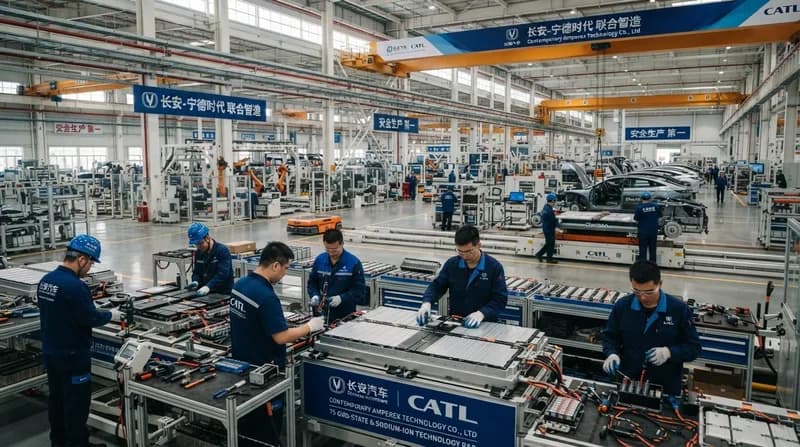
In a significant move to secure its foothold in the world's most competitive electric vehicle market, the BMW Group has commenced series production of its sixth-generation (Gen6) high-voltage batteries at its massive industrial complex in Shenyang, China. This facility, operated by the BMW Brilliance Automotive joint venture, serves as the third cornerstone in the company’s global battery production network, joining sites in Hungary and Germany. By manufacturing these sophisticated energy storage systems locally, BMW is not only optimizing its supply chain and reducing logistics costs but is also ensuring that its forthcoming Neue Klasse models are equipped with the latest proprietary technology tailored for the Chinese consumer.
The scale of this operation is substantial. Following a heavy investment of approximately €2.5 billion, the Shenyang site—comprising the Dadong, Lydia, and Tiexi plants—remains the BMW Group’s largest production base globally. With an annual vehicle capacity exceeding 830,000 units, the site is now fully retooled to integrate the Gen6 batteries directly into the assembly lines for the new long-wheelbase iX3, signaling a major leap forward for the brand’s electrification strategy.
The Engineering Behind Gen6 Technology
At the heart of the Gen6 initiative is a complete reimagining of battery architecture. Moving away from traditional modular designs, BMW has transitioned to a "cell-to-pack" approach. By eliminating the intermediate module level, the company now places large, 4.6 cm diameter round cells directly into the battery housing. These cells, available in two heights (9.5 cm and 12 cm), offer significant performance gains over their predecessors: a greater than 20% increase in energy density, alongside substantial improvements in both charging speed and total driving range of up to 30%.
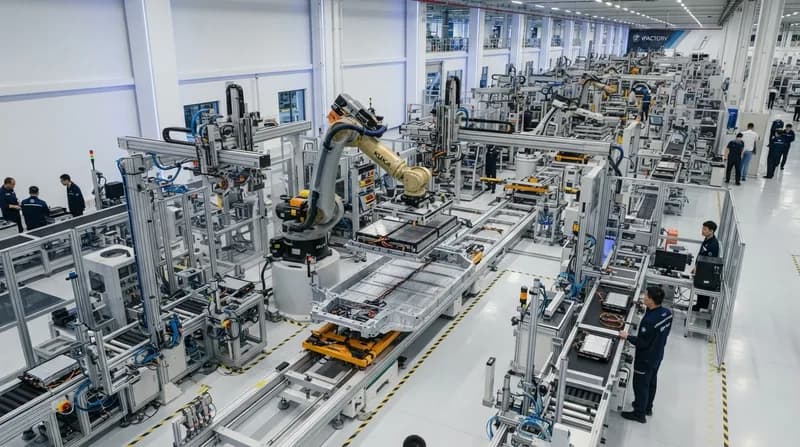
Efficiency is further enhanced by the "Energy Master," an in-house developed control unit that manages power supply and battery health. This system continuously monitors the thermal state and charge status of individual cells. The assembly process itself is a masterclass in modern automation, utilizing real-time laser welding inspection systems and AI-driven quality control to ensure that every connection within the dense battery pack meets BMW’s stringent safety and durability standards.
Why It Matters
- Performance Gains: The shift to 4.6 cm diameter round cells allows for a 30% boost in range and faster charging capabilities, addressing primary pain points for potential EV buyers.
- Local Competitiveness: By producing locally in China, BMW sidesteps the logistical burden and high costs associated with importing battery packs, allowing for more aggressive pricing against domestic rivals.
- Manufacturing Innovation: The move to a cell-to-pack design reduces vehicle weight and material usage, demonstrating a clear focus on sustainability and engineering efficiency.
- Global Rollout: While China leads the charge, BMW is replicating this high-tech manufacturing blueprint at upcoming facilities in Woodruff, South Carolina, and San Luis Potosí, Mexico.
Future Outlook
The introduction of the Gen6 batteries arrives just as BMW prepares to ramp up the rollout of its Neue Klasse lineup. While pre-sales for the long-wheelbase iX3 in China have already generated considerable interest, with prices starting at 269,900 yuan, the company is managing expectations regarding volume. Following an initial launch, industry analysts suggest that large-scale deliveries are slated for 2027 as BMW prioritizes rigorous quality assurance for its new production technologies. As the manufacturer continues to scale its global battery network, this Shenyang facility will serve as the primary indicator of BMW’s ability to balance rapid innovation with the massive manufacturing scale required to lead in the EV era.