Scaling Toward One Million Vehicles
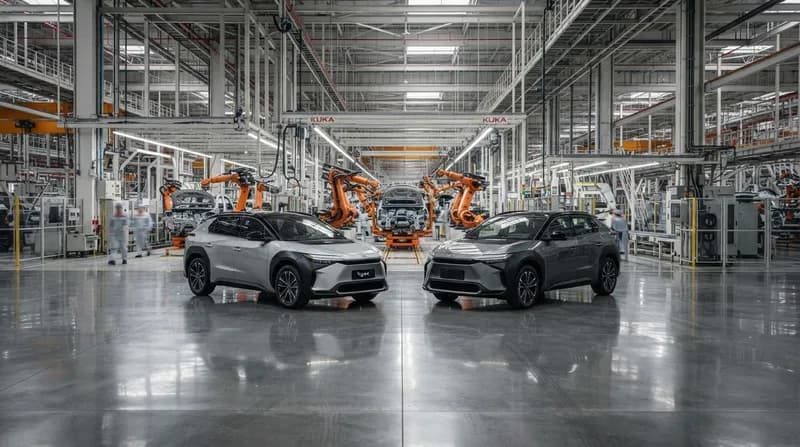
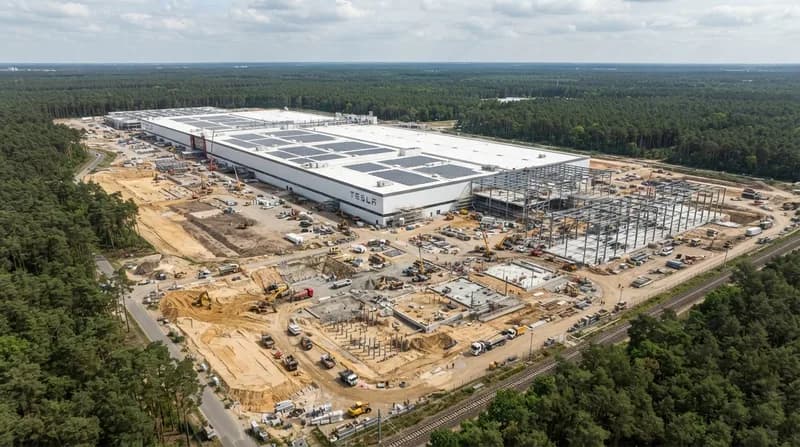
Tesla’s ambitions for its European hub in Grünheide, Germany, are entering a decisive new chapter. Recent reports indicate that the company is preparing to submit detailed expansion proposals in December, signaling a major ramp-up in manufacturing capability. The centerpiece of this growth strategy is a massive new production hall slated for the northern section of the current site, which is set to dwarf the original facility.
While the existing production hall spans approximately 219,000 square meters, the proposed structure is expected to cover roughly 536,000 square meters. This physical expansion is essential to Tesla’s long-term target of reaching one million units of annual production at the German site—a significant leap from its current capacity of 375,000 Model Y vehicles per year. Industry observers suggest that this new capacity will not be limited to the Model Y, with expectations that an additional vehicle model will eventually join the production line.
The Multi-Phase Development Strategy
The development at the Brandenburg site is structured around a three-phase approval process, a framework established to manage the complexity of such a large-scale project. The first phase, which centered on modernizing existing infrastructure and expanding logistics and storage zones, already received partial approval in late 2024. The upcoming expansion shift focuses squarely on the construction of the secondary production hall, with potential ground-breaking projected for 2027.
A third phase is currently in the works, aimed at finalizing the installation of advanced factory equipment and the development of an on-site freight railway station to streamline the supply chain. While these phases were conceptually outlined in initial applications submitted back in 2023, Tesla is currently navigating the regulatory requirements to provide updated documentation to satisfy environmental and operational standards for the second and third stages.
Addressing Sustainability and Resource Management
- Water Efficiency: Tesla is implementing an advanced in-house water treatment circuit to mitigate the ecological impact of the expanded facility.
- Closed-Loop Operations: By treating wastewater internally, the factory aims to maintain its current levels of fresh water consumption, ensuring that usage stays within contractually agreed limits with local utility provider, WSE.
- Infrastructure Upgrades: The project includes a dedicated freight station to reduce reliance on road transport, further optimizing the factory's logistics.
Why It Matters
The expansion of the Grünheide plant is not merely a bricks-and-mortar project; it is a critical pillar of Tesla’s European market strategy. By localizing the production of a broader portfolio of vehicles, Tesla can reduce logistical costs and better navigate the competitive European EV landscape. Furthermore, by addressing water usage through on-site recycling, the company is attempting to preemptively tackle one of the most contentious issues surrounding industrial development in the region, setting a blueprint for how large-scale automotive manufacturing can integrate into environmentally sensitive areas.