The New Benchmark in Electric Performance
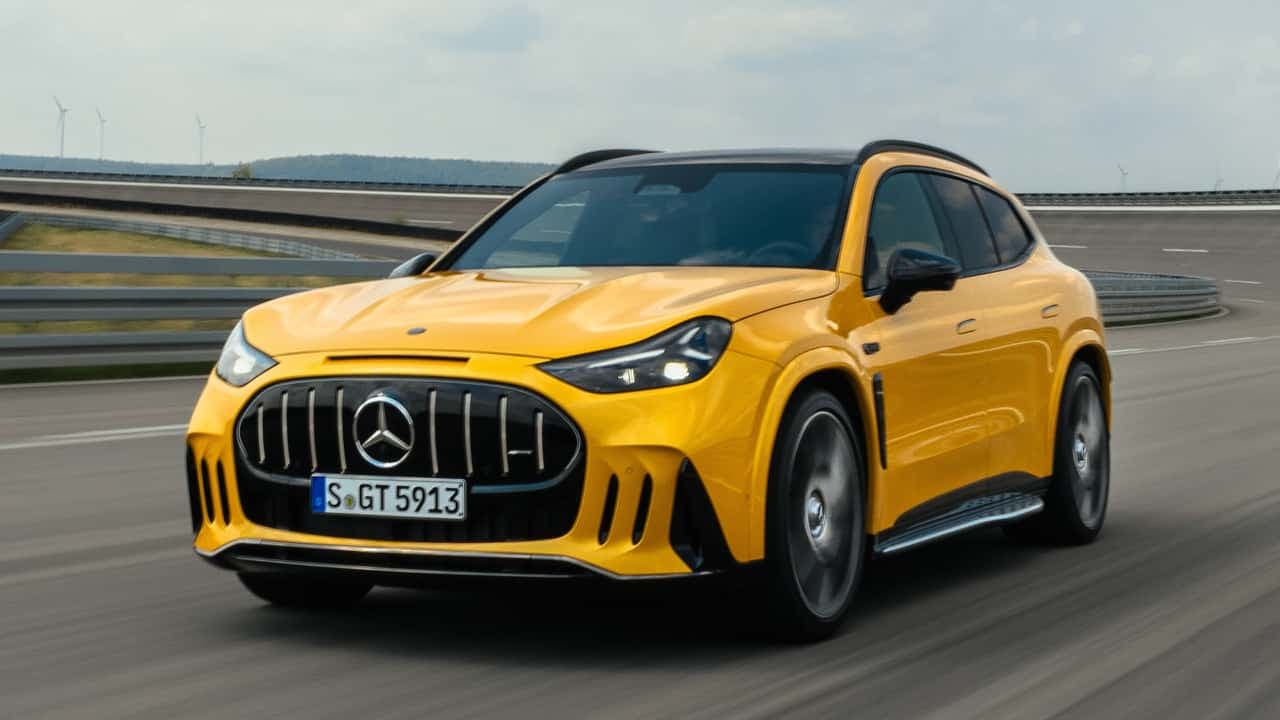
Mercedes-AMG is making a bold statement with the introduction of its latest bespoke electric vehicle, the AMG GT SUV. Built upon the specialized AMG.EA platform, this high-performance machine is designed to blend the soul of an AMG sports car with the utility of an SUV. Beyond its staggering horsepower figures, the vehicle serves as a technical showcase for what is possible with next-generation battery architecture, specifically regarding thermal management and ultra-rapid power intake.
The lineup consists of three distinct variants, all featuring variable all-wheel drive and the ability to mechanically decouple front motors to maximize efficiency during cruising. While aesthetics lean into the aggressive family lineage of the AMG GT 4-Door—complete with a wide-mouthed grille and muscular wheel arches—the internal mechanics represent a significant leap forward, particularly in how the vehicle handles power delivery and charging speed.
1. The Mercedes-AMG GT 53
The entry-level model, the GT 53, serves as a high-performance foundation for the range. It utilizes a dual-motor setup that generates a combined 536 peak horsepower and 590 pound-feet of torque. Despite being the "entry" point, it still manages a respectable 0-60 mph sprint in 4.1 seconds. The GT 53 is equipped with a two-speed rear transmission, designed to optimize power delivery at varying speeds.
Charging efficiency remains a high priority for this model. It supports 11-kW AC charging and, when connected to high-speed DC hardware, can achieve a 10-80% charge in just 11 minutes. With a smaller battery capacity compared to its siblings, it prioritizes a balance of weight, agility, and the signature AMG driving experience, while still delivering an estimated WLTP range between 371 and 415 miles.
2. The Mercedes-AMG GT 55
Stepping up to the GT 55 introduces a three-motor configuration that utilizes axial-flux technology to pump out a combined 805 horsepower and a massive 1,372 lb-ft of torque. This model is capable of hitting 60 mph in a scant 3 seconds. The inclusion of three motors allows for independent control of each rear wheel, facilitating sophisticated torque-vectoring capabilities that make tight cornering feel remarkably precise for a vehicle of this size.
This version benefits from an expanded 128 kWh usable battery capacity, which pushes its range to between 385 and 435 miles on the WLTP cycle. Perhaps most impressive is the charging performance; thanks to a peak power intake of 710 kW, the GT 55 can replenish 83 kWh of energy in just ten minutes, setting a new expectation for high-end electric luxury vehicles arriving in the summer of 2027.
3. The Flagship Mercedes-AMG GT 63
At the pinnacle of the range sits the GT 63. Sharing the same battery and motor hardware as the GT 55, the 63 unlocks the full potential of the platform with 1,153 horsepower and a staggering 1,475 lb-ft of torque. This power density allows the SUV to clear the 0-60 mph benchmark in only 2.6 seconds. Standard equipment on this model includes the advanced Active Ride Control+ suspension, which uses active pitch stabilization to prevent nose-dive under heavy braking—a necessary feature when dealing with this level of acceleration.
The GT 63 is designed for the driver who wants no compromises. In addition to the performance upgrades, it features selectable auditory feedback, simulating a V-8 engine note and vibrating the seats to match the vehicle’s intensity. With predictive track software managing energy distribution based on topography, the GT 63 is positioned not just as a fast daily driver, but as a technological statement piece for the electric era.
Why It Matters
The introduction of the AMG GT SUV marks a pivotal moment for Mercedes-Benz. By pushing charging speeds to 710 kW, the company is directly addressing the "charging anxiety" that remains the primary roadblock for high-performance EV adoption. Furthermore, the use of active suspension to control pitch—not just roll—signals that future electric SUVs will no longer be hampered by the weight of their battery packs, potentially matching or exceeding the handling dynamics of lower-slung sports sedans.