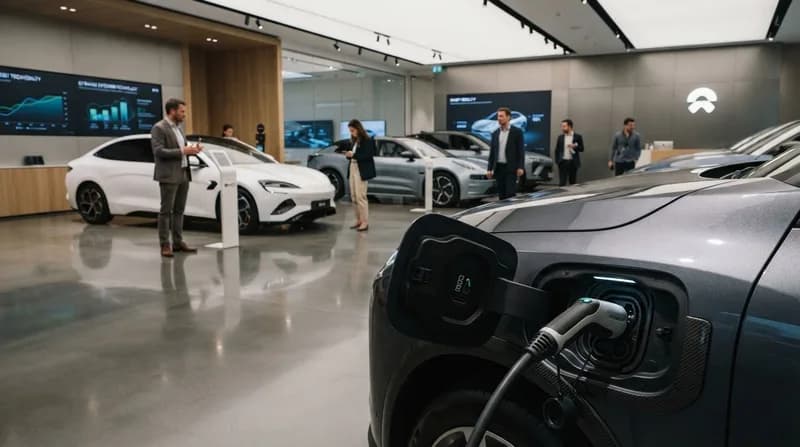
The European Shift: Strategic Localization
The Paris Motor Show has solidified its status as a critical battleground for Chinese automotive manufacturers. With the number of exhibitors from China doubling since the previous cycle, the message is clear: the European market is no longer just a destination for test-marketing, but a core component of long-term global strategy. However, the approach is increasingly bifurcated between brands attempting to graft Chinese-market models onto European roads and those investing in deep, localized adaptation.
Leaders in this transition, such as Xpeng and BYD, are signaling long-term intent. Xpeng, for instance, has introduced the L03, a compact model engineered specifically for European preferences, while simultaneously leveraging local manufacturing partnerships in Graz, Austria. BYD continues its aggressive expansion with a diverse lineup that prioritizes compact vehicles tailored to the urban landscape, even while occasionally showcasing niche products like the massive Shark pickup to signal their global manufacturing prowess.
1. Xpeng: Engineering for the Continent
Xpeng’s presence at the show underscored a shift toward deep integration. By focusing on software and driver-assistance systems specifically calibrated for European infrastructure, the company is attempting to bridge the gap between imported hardware and local consumer expectations. The compact L03 is perhaps the strongest signal of this intent, offering rapid charging and design language that feels distinctly focused on European aesthetics and functionality.
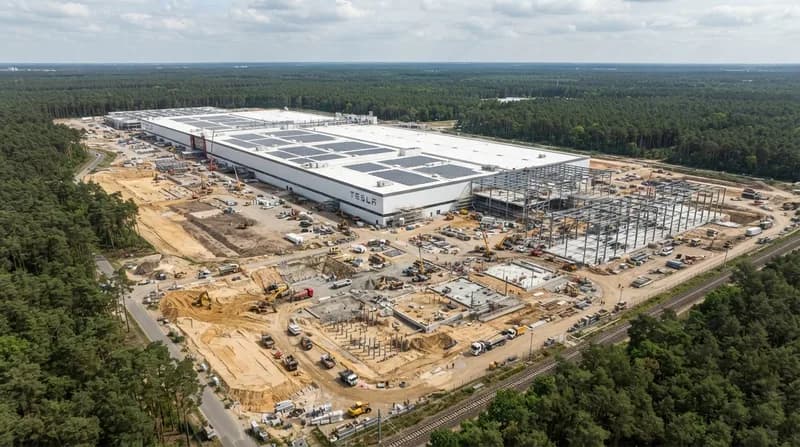
By utilizing manufacturing facilities in Graz, Xpeng is also mitigating the political and logistical friction often associated with Chinese-made imports. This move toward 'on-the-ground' production is a critical differentiator that positions Xpeng as a brand aiming for a permanent residency in the European automotive market, rather than a transient presence.
2. Leapmotor: The Stellantis Advantage
Leapmotor has carved out a unique position through its strategic alliance with Stellantis. By piggybacking on an established European giant, Leapmotor gains instant access to distribution, service infrastructure, and, most importantly, brand credibility. This joint approach allows for a streamlined product rollout, with a focus on smaller, efficient vehicles that align perfectly with the density and driving habits of European cities.
This partnership model represents a departure from the 'go-it-alone' strategy favored by many of its competitors. By leveraging the existing footprint of a legacy automaker, Leapmotor effectively sidesteps the steep learning curve of building a dealer network and consumer trust from scratch in a market that remains fiercely loyal to its own domestic manufacturers.
3. Li Auto and Changan: The Range-Extender Gamble
The presence of Li Auto and Changan highlights a diversifying drivetrain strategy. While the European debate remains largely centered on the purity of battery-electric vehicles, these manufacturers are introducing range-extender technology as a bridge. The Li Auto L6, for example, offers an impressive 50 kWh battery, yet retains the internal combustion engine as a safety net. This approach challenges the necessity of purely electric drivetrains in a region moving toward 800-volt charging architectures.
Changan, benefiting from the design influence of former VW head Klaus Zyciora, presented the Deepal S07. This vehicle reflects the high standard of build quality and interior finish that Chinese manufacturers have achieved in record time. While these brands are currently testing the waters, the seamless integration of high-quality software and refined hardware makes them potent competitors for legacy European brands that are still struggling to modernize their digital user experiences.
Why it Matters
- Polarization: The market is splitting into 'innovators' focusing on software and localization, and 'mimics' relying on legacy design cues.
- Infrastructure: The rise of 800V architectures and ultra-fast charging is challenging the relevance of range-extender hybrids.
- Brand Loyalty: Western incumbents still hold a massive advantage in brand heritage, forcing Chinese entrants to rely on aggressive tech specs and competitive pricing to win market share.
- Global Outlook: Chinese manufacturers are increasingly balancing their European ambitions with a simultaneous push into emerging markets, keeping their production pipelines flexible.