A New Frontier in Diabetes Management
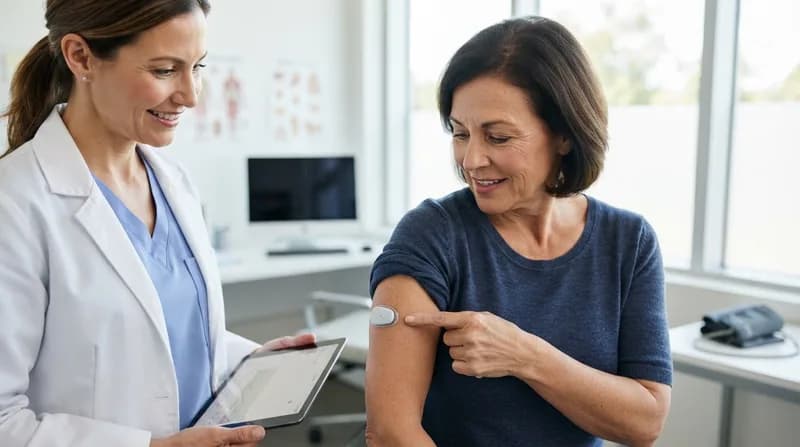
For millions of Americans living with type 2 diabetes, the standard of care has long relied on occasional blood sugar checks, leaving significant gaps in understanding how daily habits impact metabolic health. A groundbreaking clinical trial recently published in the New England Journal of Medicine suggests that continuous glucose monitors (CGMs) could bridge this gap, offering a transformative tool for those who do not require insulin therapy.
The study, conducted by researchers at the University of Colorado Anschutz Medical Campus, found that participants using CGMs spent an average of five additional hours each day within their target blood sugar range compared to those undergoing traditional, routine care. By providing real-time visibility into how specific meals, physical activities, and stress affect glucose levels, the technology empowers patients to make proactive adjustments to their daily routines, ultimately leading to more stable metabolic outcomes.
Clinical Rigor and Patient Outcomes
This study represents the largest randomized controlled trial of its kind, following 283 adults across 22 primary care practices over a 26-week period. By focusing exclusively on primary care settings—where the vast majority of non-insulin-dependent diabetes management occurs—the researchers ensured the results are highly applicable to everyday medical practice. The data showed that nearly twice as many CGM users achieved an A1c level below 7%, a primary benchmark for diabetes management, compared to the control group.
Furthermore, the study documented a 0.9 percentage point improvement in A1c levels among the CGM cohort. In clinical terms, this shift is considered highly significant, potentially lowering the long-term risks of associated health complications such as vision loss, kidney disease, and cardiovascular issues. These findings provide the high-quality evidence necessary to advocate for broader insurance coverage and updated clinical guidelines.
Why It Matters
- Data-Driven Lifestyle Changes: CGMs translate invisible metabolic spikes into actionable, real-time data, helping patients connect their lifestyle choices to their blood sugar levels.
- Strengthening Medical Guidelines: Previously, recommendations for CGM use in non-insulin patients lacked robust clinical evidence. This study elevates the potential for these devices to move from optional tools to standard-of-care recommendations.
- Reducing Long-Term Complications: By maintaining a tighter glycemic range, patients can significantly mitigate the risk of severe, chronic health issues associated with prolonged hyperglycemia.
The Path Toward Broader Accessibility
The researchers behind the study, led by Dr. Tamara Oser, believe these results will play a pivotal role in reshaping how national diabetes guidelines are constructed. Currently, the American Diabetes Association provides strong backing for CGM use in insulin-dependent patients, but support for non-insulin users has been more conservative due to limited research. This new, high-level clinical evidence is expected to encourage insurers to expand access, making this life-changing hardware more affordable for millions.
For patients currently navigating their own diabetes management, the primary takeaway is the importance of initiating a conversation with their primary care providers. As the technology becomes more integrated into mainstream healthcare, the shift from reactive testing to continuous monitoring promises to redefine the daily experience of living with type 2 diabetes, turning health management into a more predictable and controlled process.