A New Frontier in Maternal Mental Health
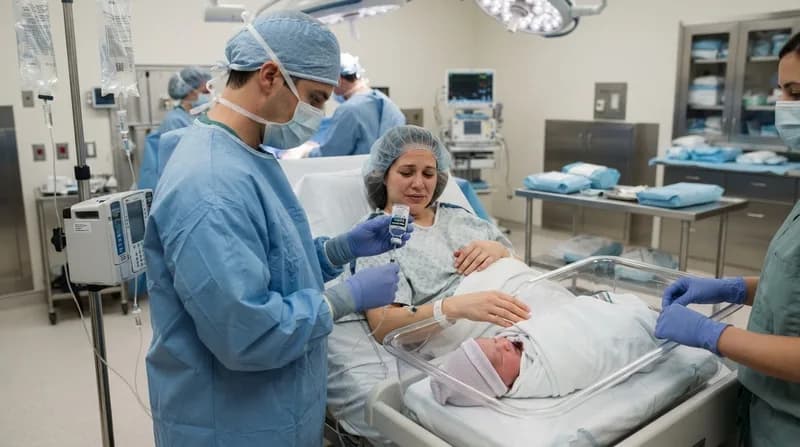
Researchers are exploring a potential breakthrough in maternal healthcare that could address the significant burden of postpartum depression. A meta-analysis presented at the ANESTHESIOLOGY 2026 annual meeting indicates that the administration of ketamine or its derivative, esketamine, during or immediately following a cesarean section may help mitigate early symptoms of depression in new mothers. As postpartum depression affects approximately one in five women, this finding offers a hopeful avenue for intervention during one of the most physically and emotionally taxing periods of recovery.
The study, led by medical student Peter Hsin of the FIU Herbert Wertheim College of Medicine, evaluated data from six randomized controlled trials conducted between 2015 and 2025. By analyzing 1,832 women who underwent elective C-sections, the team compared those who received ketamine or esketamine during their surgical or immediate postoperative care against those who did not. The results showed a statistically significant reduction in depressive symptoms within the first two weeks following birth, as measured by the Edinburgh Postnatal Depression Scale.
Why it Matters
Postpartum depression often presents as severe anxiety, irritability, sadness, and difficulty bonding with a newborn. Because cesarean deliveries are linked to an increased risk of these symptoms, the medical community has long sought ways to integrate mental health support directly into the surgical process. Ketamine, already well-regarded for its rapid antidepressant effects in psychiatric applications, is now being scrutinized for its potential to provide a dual-purpose benefit: effective pain management alongside early mental health support.
Looking Ahead: Future Clinical Research
While the initial data is promising, experts caution that the findings represent an early stage of discovery. The researchers emphasized that it is currently premature to recommend ketamine as a routine prophylactic against clinical postpartum depression. Instead, the study provides a vital foundation for upcoming prospective, randomized trials.
Dr. Rose Berkun, co-author of the study and associate professor of anesthesiology at the University at Buffalo, confirmed that the next phase of research will focus on determining optimal dosages and timing. By conducting more rigorous follow-up studies, the team hopes to clarify whether ketamine can play a definitive role in preventing, rather than merely reducing, the severity of postpartum depressive episodes.