The Gut-Liver Connection
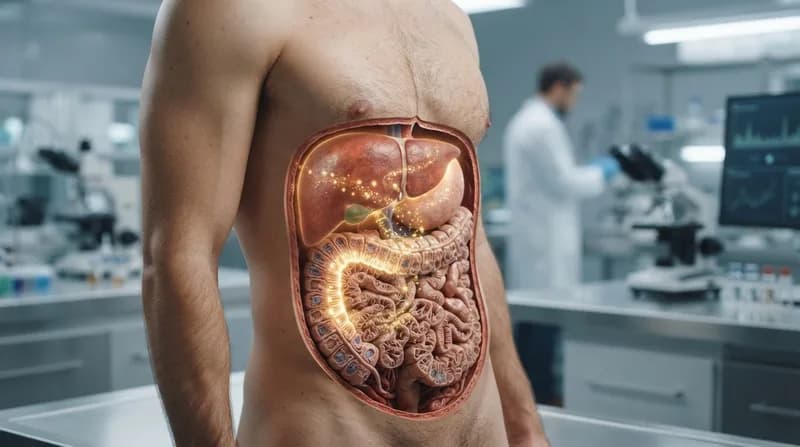
For decades, metabolic dysfunction-associated steatohepatitis (MASH)—a severe form of fatty liver disease—has remained a significant global health challenge, affecting approximately 7% of the world's population. Traditional treatments have often focused on managing the symptoms of liver inflammation once the damage is already underway. However, recent research from the University of Michigan has shifted the focus from the liver itself to an unlikely origin: the digestive tract. Scientists have identified that the gut-liver axis plays a critical role in the progression of MASH, and a new experimental compound, DT-109, is showing remarkable potential in reversing the condition by restoring gut health.
The Role of DT-109
DT-109 is a glycine-based tripeptide, a small molecule composed of three amino acids. The research indicates that it functions primarily as a gastrointestinal guardian. The study, published in The Journal of Clinical Investigation, reveals that MASH is often exacerbated by the overgrowth of a specific bacterium, Clostridium perfringens, which resides in the intestines. This bacterium produces ammonia, a substance that compromises the integrity of the gut lining. As the intestinal barrier weakens, toxins and inflammatory microbial products leak into the bloodstream and travel directly to the liver.
By introducing DT-109, researchers were able to significantly reduce the levels of Clostridium perfringens and suppress ammonia production. This protective action reinforces the intestinal epithelial barrier, preventing the systemic influx of toxins that trigger the immune system to overreact. In both mice and nonhuman primate models, this intervention led to a notable reduction in liver inflammation and a reversal of MASH symptoms, suggesting that healing the gut can lead to systemic healing of the liver.
Broader Therapeutic Implications
The impact of DT-109 may extend far beyond liver health. Given that metabolic and inflammatory conditions are often interconnected, the researchers believe that repairing the gut barrier could be a viable therapeutic strategy for a variety of other illnesses. Previous studies on the compound have already indicated that it could potentially reduce the formation of atherosclerotic plaques and prevent vascular calcification, both of which are major contributors to cardiovascular disease.
Furthermore, because the drug acts to normalize the intestinal environment, there is growing scientific interest in its potential application for inflammatory bowel diseases (IBD), such as Crohn’s disease and ulcerative colitis. By addressing the root cause—the failure of the intestinal barrier—rather than simply treating secondary symptoms, DT-109 represents a fundamental shift in how medicine might approach metabolic syndromes.
Why It Matters
- Systemic Impact: The drug treats liver disease by addressing gut health, demonstrating the critical importance of the gut-liver axis.
- Dual Action: Preliminary data suggests potential benefits for both liver health and cardiovascular wellness, addressing multiple aspects of metabolic syndrome.
- Next Steps: While animal results are highly encouraging, the compound is now moving toward the necessary clinical trials required to assess its safety and efficacy in human patients.
While the path to clinical use still requires rigorous human testing, the development of DT-109 offers a new, hopeful avenue for patients suffering from MASH. If successful in upcoming trials, this tripeptide could provide a multi-faceted solution for metabolic health, proving that the secret to healing internal organs may reside in the strength of our gut.