Subaru’s Path to Electric Autonomy
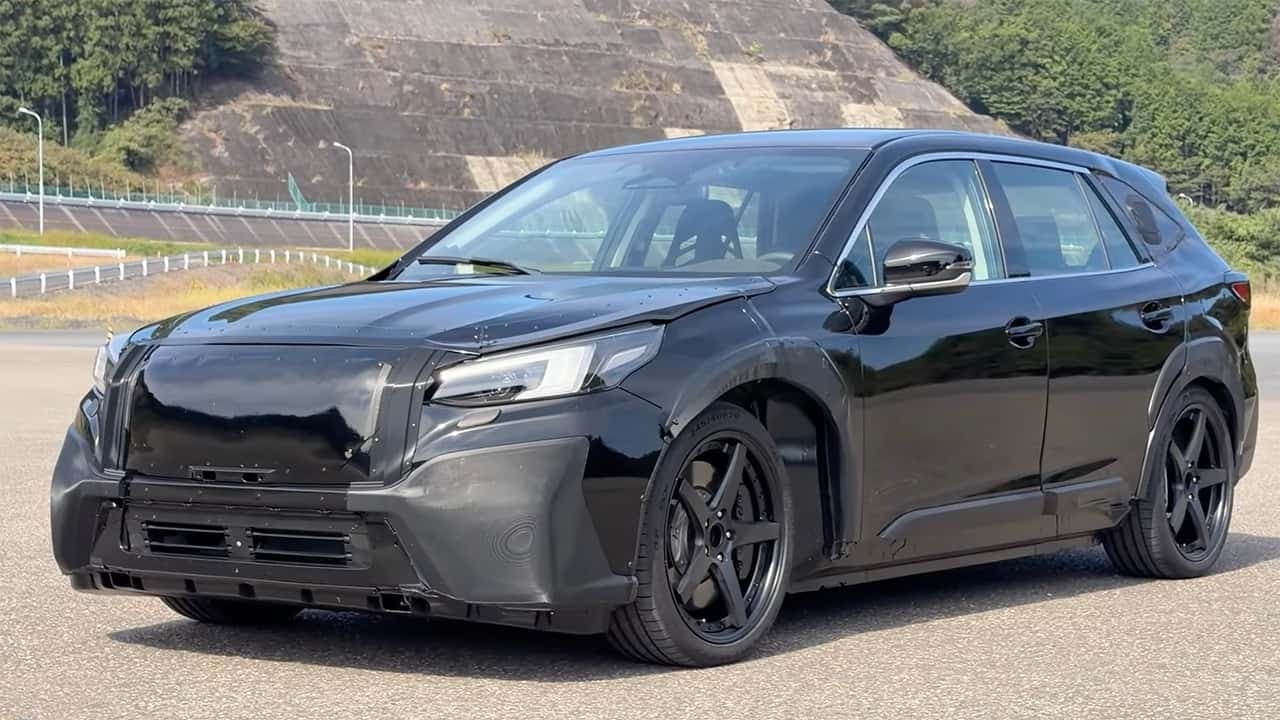
For years, Subaru has leaned on its strategic partnership with Toyota to navigate the transition to electrification, most notably with the Solterra and subsequent joint projects. However, the Japanese automaker is now signaling a significant shift in strategy. By developing an in-house EV platform, Subaru aims to recapture the distinct engineering character, safety priorities, and driving dynamics that have long defined the brand. The company recently pulled back the curtain on a high-performance prototype at its proving grounds in Japan, providing a first look at the technology that could define its future lineup by 2029.
The 510-HP Development Mule
At the heart of this new initiative is an experimental mule that shares the silhouette of an Outback but hides an entirely new heart beneath its skin. The vehicle is engineered to deliver a robust 510 horsepower, capable of sprinting from 0 to 62 mph in under four seconds. While the prototype is strictly a development tool rather than a pre-production model, it validates the capabilities of Subaru's new electric drivetrain. Initial evaluations suggest the vehicle maintains the brand's signature handling, providing a planted, eager-to-turn feel through corners, supported by a sophisticated double-wishbone front and five-link rear suspension setup.
Efficiency Through Engineering
Subaru’s internal goals for this architecture are aggressive. The team is targeting a massive 100-kilogram (220-pound) weight reduction compared to their existing electric offerings. To achieve this, engineers have integrated a new battery pack utilizing 4,000 cylindrical cells, which reportedly shaves 25% off the weight of previous iterations while boosting energy density by 20% above the industry average. Furthermore, the motors are specifically designed to be smaller and lighter, contributing to a claimed 30% increase in efficiency. Safety remains paramount in this new design; the front structure has been re-engineered to distribute crash forces more effectively, with motors designed to pivot during an impact to protect cabin integrity.
Integrated Technology and Future-Proofing
Beyond the chassis and powertrain, Subaru is taking control of its digital identity. The company is developing a centralized electronic control unit (ECU) in partnership with AMD. This new hub will manage everything from infotainment and chassis control to the next generation of the company’s EyeSight driver assistance suite. By bringing this software development in-house, Subaru enables full over-the-air (OTA) update capabilities for the first time on a natively developed platform. This move is designed not only to enhance the user experience but also to keep costs low through hardware standardization across all future models.
Why It Matters
- Preserving Brand Identity: By moving away from shared Toyota underpinnings, Subaru can tune suspension, all-wheel-drive systems, and powertrain delivery to match its specific "outdoor lifestyle" performance profile.
- Development Velocity: Subaru reports that it has slashed development timelines for this platform by 50%, a critical necessity to compete with fast-moving Chinese electric vehicle manufacturers.
- Strategic Scalability: The platform is designed to be modular, providing a foundation for potential performance-oriented vehicles, such as those that might eventually carry the iconic STI badge.