The End of an Era for Subaru in Europe
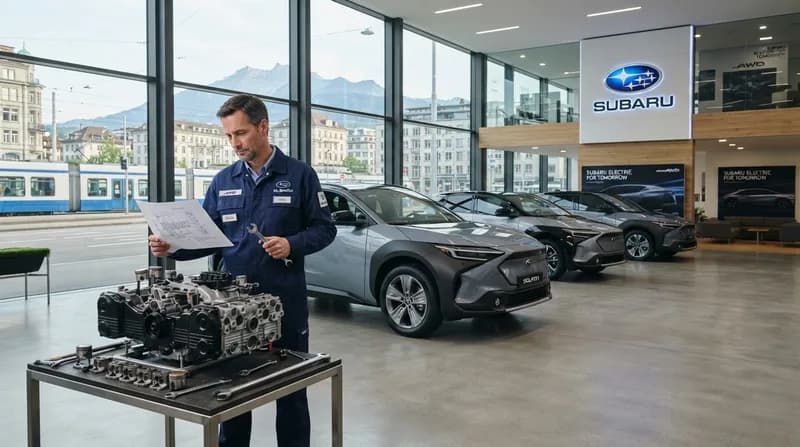
For decades, the Subaru brand has been synonymous with its signature boxer engine—a configuration that defined its rally heritage and mechanical identity. However, that identity is undergoing a dramatic shift. The Japanese manufacturer has officially announced that it will cease the sale of all internal combustion engine (ICE) vehicles in the European market by 2028. This move marks the final chapter for the automaker's reliance on the flat-four engine format in the region, signaling a complete transition to an all-electric fleet.
This strategic pivot is not sudden, but rather a staged withdrawal. The transition begins in earnest this year, with the iconic Subaru Outback slated for discontinuation in 2026. The shift will accelerate rapidly in 2027, as the Impreza, Crosstrek, and Forester are pulled from European showrooms. By 2028, the company expects its European product lineup to be exclusively battery-electric, relying on models such as the Solterra, the Uncharted compact crossover, and the recently introduced e-Outback estate.
Regulatory Pressure and Economic Viability
The driving force behind this transformation is the tightening of European Union CO2 fleet emission standards. Beyond these climate targets, the EU has implemented increasingly complex requirements for mandatory safety features and driver-assistance systems. For a niche manufacturer like Subaru, the R&D costs required to continuously update aging combustion platforms to meet these overlapping standards have become economically unsustainable.
Despite the challenges, the transition is viewed with optimism by regional importers like Emil Frey. The company reports that current electric offerings have been met with strong market interest, suggesting that European consumers are ready for the brand to move away from its petrol-powered roots. While the current European portfolio is relatively lean, industry analysts speculate that Subaru may eventually introduce larger, global EV models—such as the three-row Getaway SUV—to bolster its presence in the region.
Technical Outlook: Building the Future
Looking beyond the 2028 deadline, Subaru is laying the groundwork for a more independent electric future. While early EV efforts have leaned on collaborative partnerships, the company is currently developing its own proprietary electric vehicle platform, scheduled for production debut in 2029.
- New Platform Focus: Designed to reduce reliance on external suppliers like Toyota.
- Component Synergy: The system will utilize compact high-efficiency motors from Aisin paired with next-generation lightweight battery cells from Panasonic.
- Performance Potential: The new architecture is engineered to deliver a robust system output of approximately 375 kW, specifically optimized for Subaru's legendary all-wheel-drive capability.
This technical shift represents a significant evolution. By controlling its own platform architecture, Subaru aims to regain engineering autonomy, ensuring that its future electric vehicles retain the handling characteristics and rugged utility that have historically defined the brand, even without the boxer engine under the hood.