Bridging Language and Visual Art
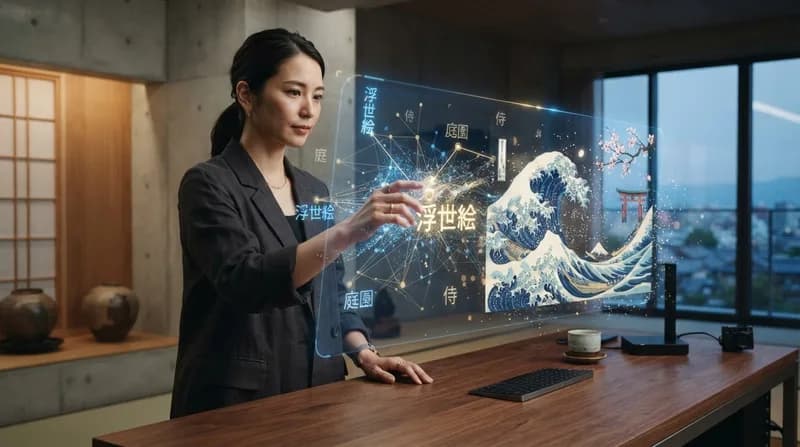
The landscape of generative AI is expanding with the release of specialized Japanese-focused Stable Diffusion models. By moving beyond a predominantly English-centric training paradigm, these models enable creators to generate complex, high-fidelity imagery based on nuanced Japanese text prompts. This development marks a significant step forward in making advanced creative tools accessible to a global audience, ensuring that cultural context and language-specific subtleties are accurately captured in digital art.
Why It Matters
For designers and artists working within the Japanese market, this technology removes a substantial barrier. Previously, creators often struggled with imprecise results when translating concepts from Japanese to English for image generation. With native training, the model understands the semantic weight of Japanese terminology, resulting in more accurate compositions, authentic character designs, and culturally aligned visual themes. It effectively democratizes high-end AI rendering for a massive, vibrant creative community.
Technical Integration
- Architecture: Based on the robust CompVis Stable Diffusion v1-4 framework.
- Efficiency: Optimized for rapid inference on consumer-grade hardware.
- Accessibility: Fully integrated into the Hugging Face ecosystem, allowing for seamless deployment via existing pipelines.
- Scale: Features significant parameter density to ensure a balance between image fidelity and computational speed.
Future Implications
As these tools continue to mature, the focus is shifting toward specialized fine-tuning. By providing a stable, high-performance base model, developers are now positioned to create domain-specific tools, such as those optimized for manga aesthetics, architectural visualization, or localized graphic design. This shift underscores a broader industry trend where the next frontier of generative AI isn't just about raw power, but about cultural literacy and regional specificity. As open-source communities continue to iterate on these weights, we can expect the gap between human intent and machine output to narrow significantly, fostering a new wave of localized digital creativity.