1. The Leapmotor B10 Electric Crossover
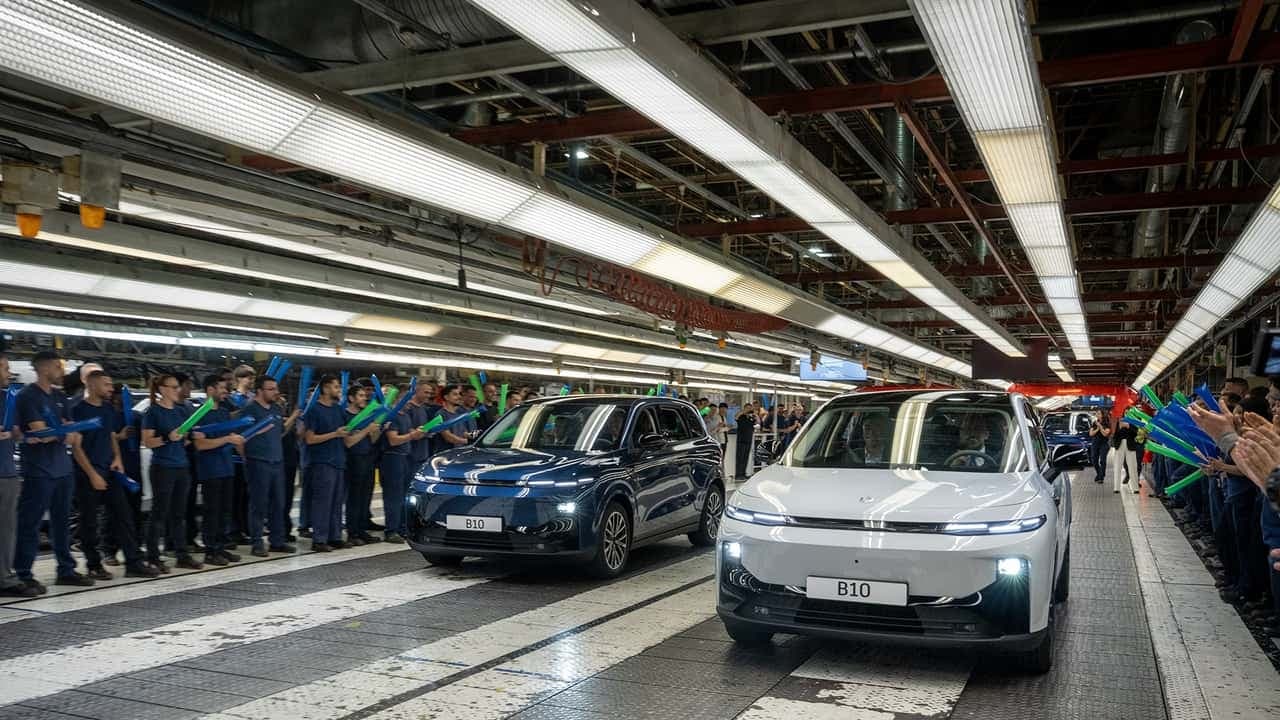
The manufacturing shift centers on the Leapmotor B10, a modern electric crossover that has officially entered production at the Stellantis Zaragoza plant in Spain as of mid-October. This development marks a significant milestone in the joint venture between the two automotive giants. By utilizing existing European infrastructure, the companies aim to streamline supply chains and bolster their presence within the competitive European Union market.
The choice of the Zaragoza facility underscores a strategic move to leverage established manufacturing excellence and available plant capacity. Rather than constructing new sites from the ground up, the partnership is betting on the operational efficiency of proven assembly lines to bring the B10 to consumers faster. This move is emblematic of a broader industry trend where European manufacturers are increasingly integrating Chinese-engineered electric vehicles into their domestic production portfolios.
2. The Forthcoming B05 Electric Hatchback
Building on the momentum of the B10, the collaboration is already looking toward the horizon with the planned introduction of the Leapmotor B05. This electric hatchback is slated to join its sibling on the production lines in Zaragoza, with current reports indicating a market launch window in the first quarter of 2027. The B05 is expected to serve as a pivotal entry in the brand's European lineup, catering to urban drivers who prioritize compact dimensions and efficient electric mobility.
While specific technical specifications for the B05 remain tightly guarded, its integration into the Spanish plant highlights the confidence Stellantis has in the Leapmotor platform. By securing future production capacity for the B05, the joint venture is effectively future-proofing its manufacturing strategy, ensuring that it remains agile as the demand for affordable and reliable electric passenger vehicles continues to climb across the continent.
Why It Matters
The automotive sector is witnessing a unique pivot in strategy. Faced with both competition from abroad and the pressure to transition to electrification, established European giants are adopting a 'coopetition' model. Stellantis, holding a 51% controlling stake in the partnership, is effectively acting as both a competitor and a manufacturing partner to Leapmotor. This arrangement allows European plants to maintain high utilization rates while providing the brand with a shortcut through regulatory and logistical hurdles associated with importing vehicles from China. As other manufacturers like BYD and Xpeng pursue their own diverse manufacturing paths—ranging from building new greenfield plants in Hungary to contracting with established firms in Austria—the Stellantis-Leapmotor model stands out as a highly integrated approach to capturing market share in an increasingly globalized EV industry.