A Nordic Strategy for Circularity
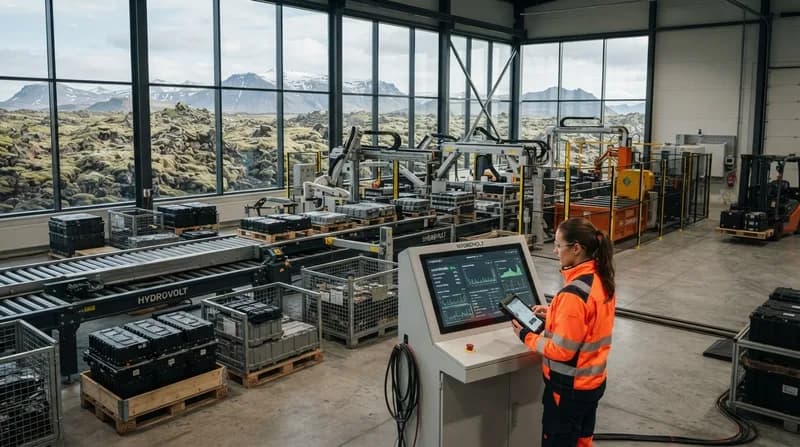
As the electrification of transport continues to accelerate across the globe, the challenge of managing end-of-life battery packs has shifted from a theoretical concern to an urgent operational priority. Norwegian recycling specialist Hydrovolt has officially partnered with the Icelandic Recycling Fund (IRF) to tackle this challenge. By creating a structured logistics pipeline that transports spent batteries from the volcanic island across the North Atlantic to its state-of-the-art facility in Fredrikstad, Norway, Hydrovolt is effectively closing the loop on the Nordic EV market.
This initiative aligns with Iceland's strict extended producer responsibility (EPR) regulations. Under this framework, companies that introduce batteries to the Icelandic market are legally obligated to manage their entire lifecycle. Given that electric and plug-in hybrid vehicles now represent a significant portion of Iceland's passenger fleet, this partnership provides a scalable solution for local importers to meet environmental standards while securing critical raw materials for the future of the automotive supply chain.
The Fredrikstad Process: From Pack to Powder
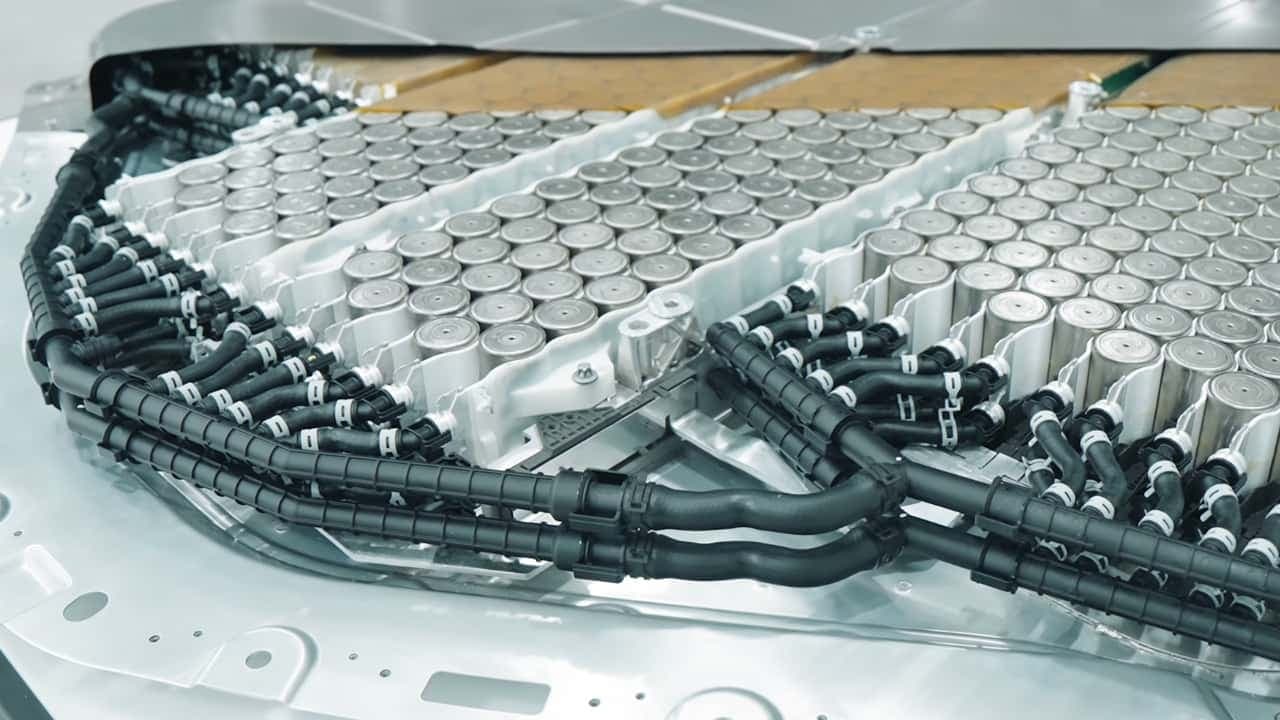
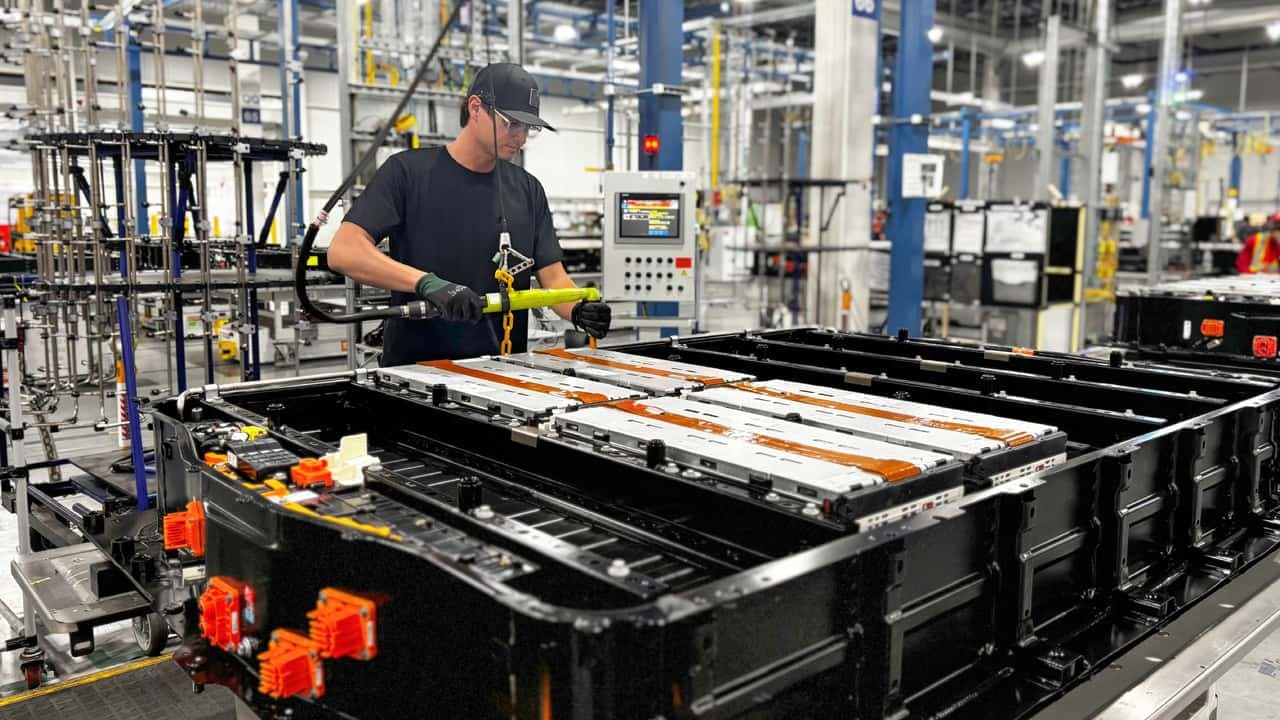
At the heart of this agreement is Hydrovolt’s sophisticated processing hub in Fredrikstad, the largest of its kind in the Nordic region. The facility is engineered to handle an annual capacity of 12,000 tonnes of battery packs, which equates to the remnants of roughly 25,000 to 30,000 electric vehicles. The recycling process is characterized by a high-efficiency mechanical and dry-shredding method that minimizes waste and maximizes safety.
Once a battery pack reaches the plant, it undergoes a careful discharge and disassembly procedure. The mechanical stage allows for the immediate recovery of valuable bulk materials, including high-purity aluminum, copper, and specialized plastics. The remaining output is a substance known as 'black mass'—a fine powder containing essential battery minerals like lithium, nickel, cobalt, and manganese. Through a secondary hydrometallurgical chemical process, these materials are isolated and purified, resulting in a total recycling rate that nears 100 percent.
Why it Matters
- Strategic Scaling: With recent expansions into Sweden, Denmark, and France, Hydrovolt is positioning itself as a central pillar of European battery circularity.
- Resource Security: By recovering critical minerals, the industry reduces reliance on environmentally taxing raw material mining.
- Regulatory Compliance: The partnership allows Icelandic importers to adhere to stringent local and European recycling mandates without needing to build independent processing infrastructure.
- Independent Ownership: Now fully owned by Norsk Hydro following the restructuring of its initial joint venture, the company is operating with a renewed focus on regional industrial independence.
A New Era for Hydrovolt
The company's evolution reflects the volatile but rapidly maturing nature of the battery industry. Originally founded as a joint venture between aluminum giant Norsk Hydro and battery manufacturer Northvolt, the organization has undergone significant structural changes. Following the bankruptcy of Northvolt in 2025, Norsk Hydro assumed full ownership of Hydrovolt, streamlining its operations to focus on this specialized recycling niche. This move has allowed the company to move beyond its domestic roots and establish a robust footprint across Scandinavia and continental Europe. For Iceland, a nation that has heavily embraced electric mobility, this partnership ensures that their transition to sustainable transport doesn't come at the cost of long-term e-waste accumulation, but instead contributes to the global supply of battery-grade minerals.