Shifting Gears: The Proposed 2035 Auto Package Compromise
The European automotive landscape is bracing for a pivotal shift as the European Parliament prepares to vote on the contentious 'Auto Package.' Recent reports indicate that a coalition of major political factions—including the conservative EPP, the social democratic S&D, and the liberal Renew Europe group—has reached a preliminary agreement that could effectively dismantle the original de facto ban on new internal combustion engine (ICE) vehicles slated for 2035.
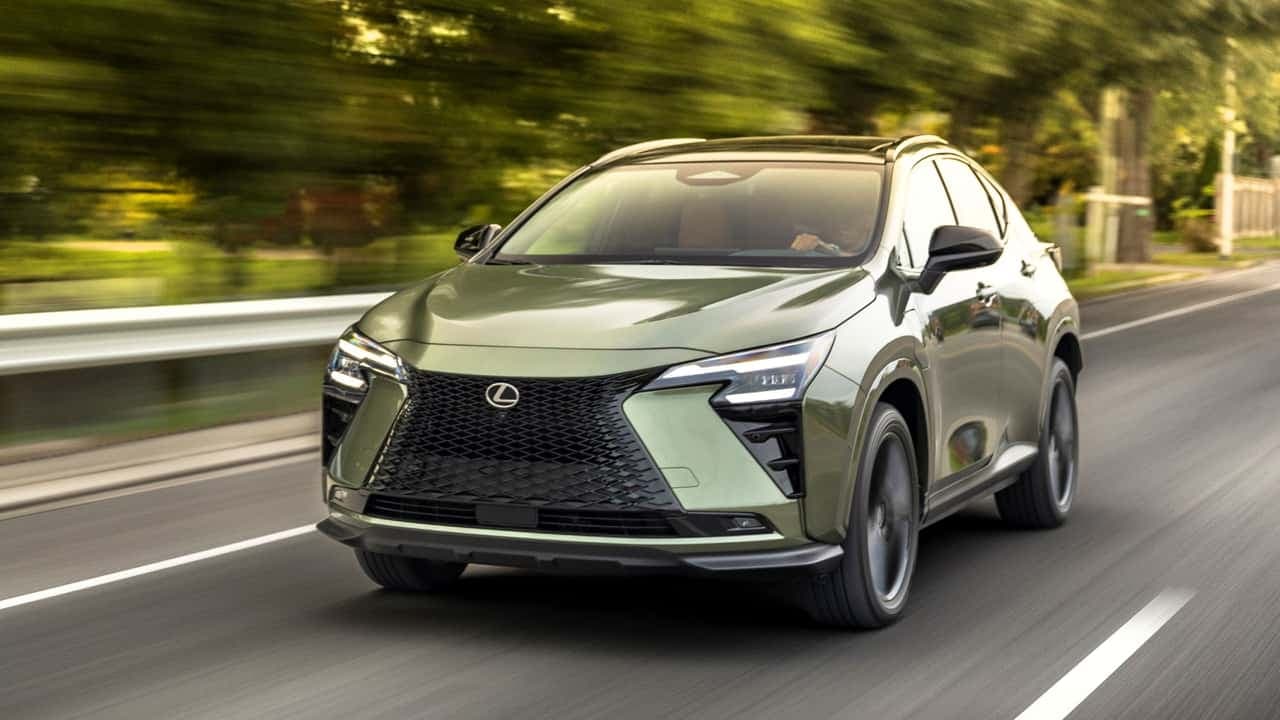
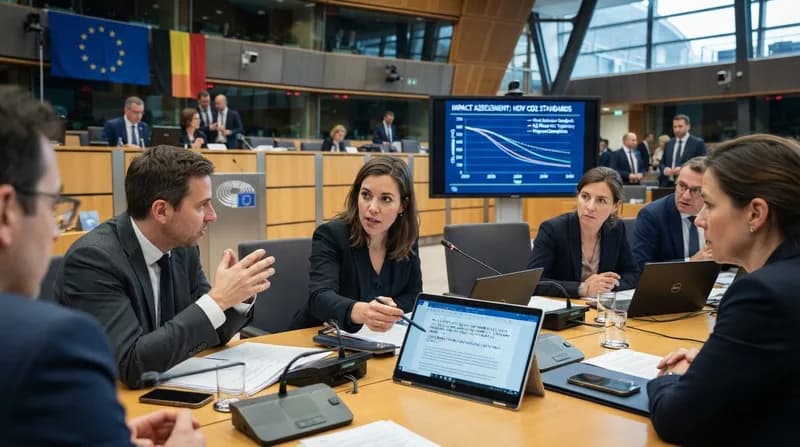
The core of this compromise suggests lowering the mandated CO₂ emission reduction target to 87.5 percent compared to 2021 levels. By stopping short of a 100 percent reduction, the policy would create a regulatory loophole, allowing new ICE and hybrid vehicles to remain in production and on showroom floors well beyond the previously established 2035 deadline. This development follows intense pressure from several member states, most notably Germany, which has argued that a rigid phase-out would destabilize the continent's manufacturing sector.
The Role of Green Incentives and Industrial Strategy
While the proposed targets are more lenient than original environmental mandates, they are not without conditions. Negotiators have emphasized that any continued production of emission-producing vehicles must be tempered by incentives for sustainable industrial practices. Specifically, the agreement encourages the adoption of 'green steel'—steel produced using methods that significantly lower carbon footprints—as a mandatory credit system for manufacturers who continue to sell non-electric vehicles.
This policy reflects a broader, more pragmatic approach to decarbonization. By offering manufacturers the ability to offset emissions through cleaner manufacturing supply chains and potential climate-neutral fuels like e-fuels and biofuels, Brussels aims to balance environmental goals with the economic reality of the automotive industry. However, critics note that the efficacy of this strategy depends entirely on the scalability and cost-efficiency of green steel and synthetic fuels as we approach the next decade.
Super Credits and Small-Car Promotion
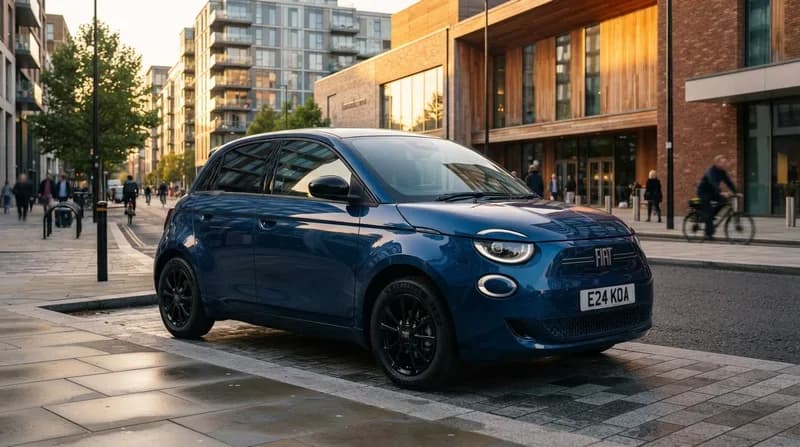
Beyond the headline CO₂ targets, the Commission is introducing specific mechanisms to stimulate the demand for smaller, more accessible electric vehicles. Under the 'Super Credits' program, electric cars shorter than 4.20 meters will carry more weight in fleet emission calculations. For instance, a small EV like a Volkswagen Polo-sized model could count as 1.3 vehicles, providing a strategic incentive for automakers to prioritize compact, city-friendly electric models over larger, more expensive SUVs.
This move is seen as a victory for countries like Spain and France, which have long advocated for measures that democratize EV ownership. Additionally, the proposal introduces a more flexible compliance timeline for the 2030 interim targets. Rather than rigid annual quotas, manufacturers would be allowed to meet goals across the 2030–2032 period, providing a buffer against market fluctuations and easing the transition for companies facing technical hurdles.
Support for Infrastructure and Heavy-Duty Transport
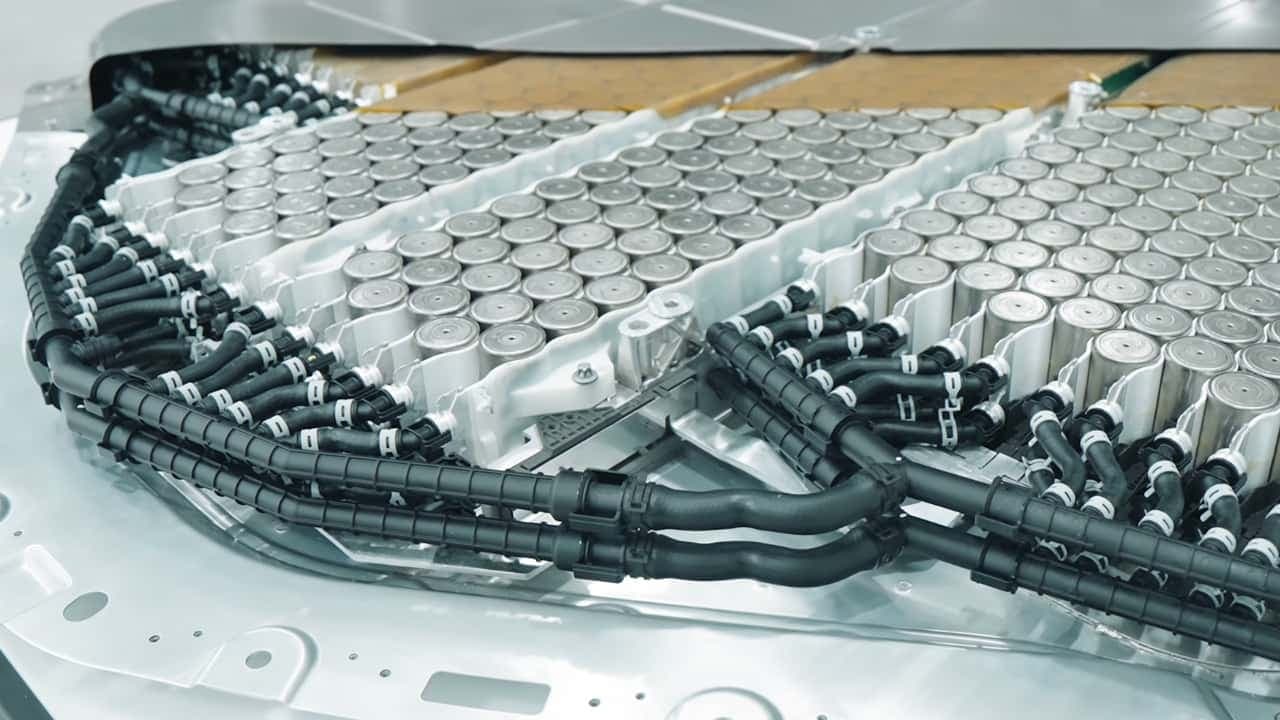
Recognizing that passenger cars are only one part of the equation, the policy package also addresses the heavy-duty sector and the battery supply chain. The European Commission has allocated €1.5 billion toward a 'Battery Booster' initiative. This fund is designed to bolster domestic cell production through interest-free loans and streamlined regulatory processes, aiming to secure a fully European-manufactured battery value chain.
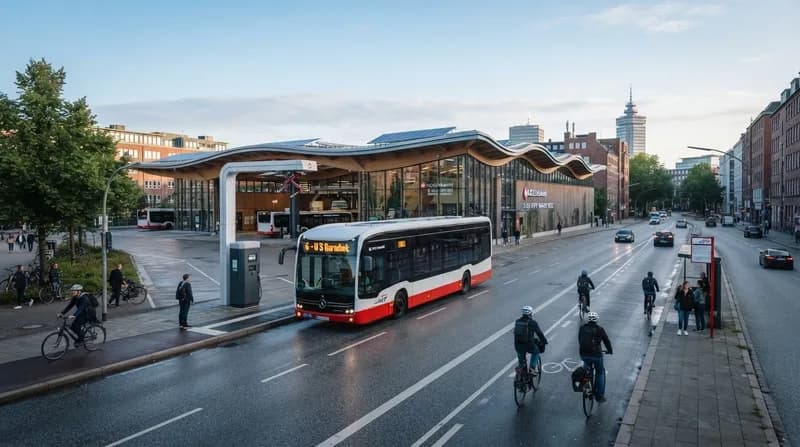
Simultaneously, the regulatory framework for heavy-duty vehicles is being adjusted to provide more flexibility. The goal is to make it easier for truck manufacturers to accumulate emission credits as they transition their fleets to electric or hydrogen-based powertrains. By reducing the administrative burden on these firms—estimated to save the industry roughly €706 million annually—the EU hopes to maintain industrial competitiveness while keeping the long-term electrification of the transportation sector on track.