The Evolution of the Liner Truck
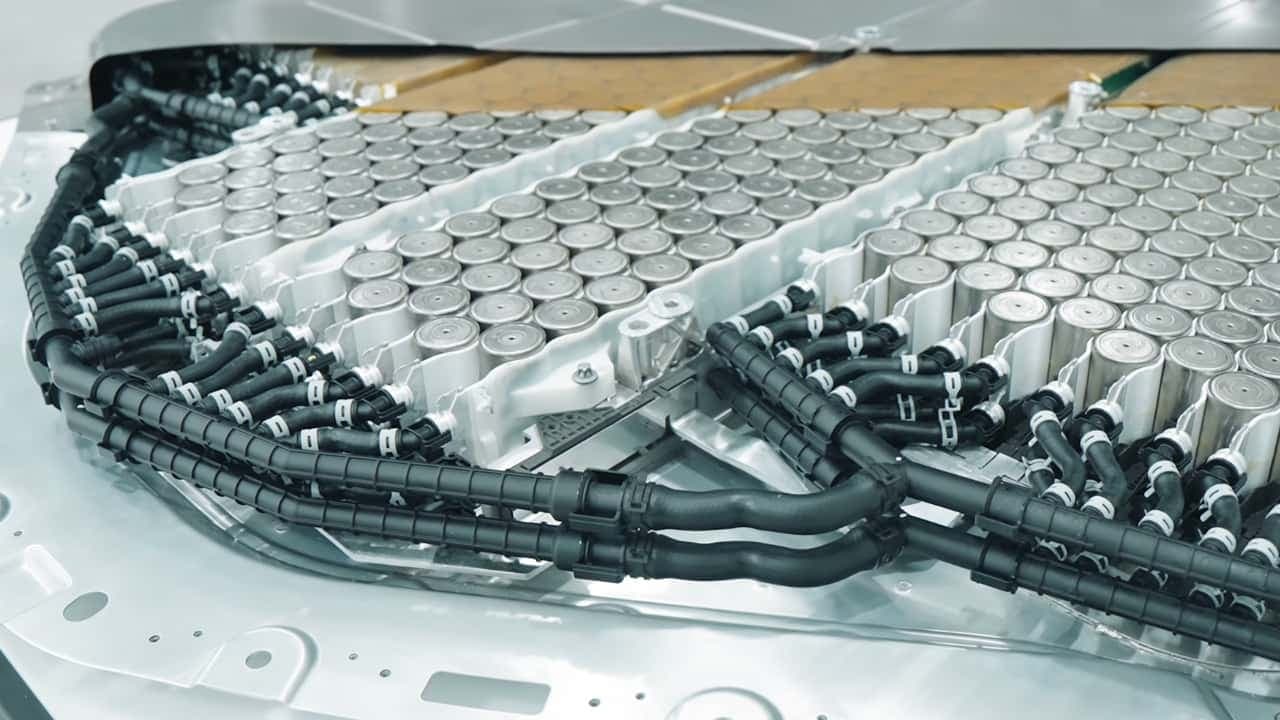
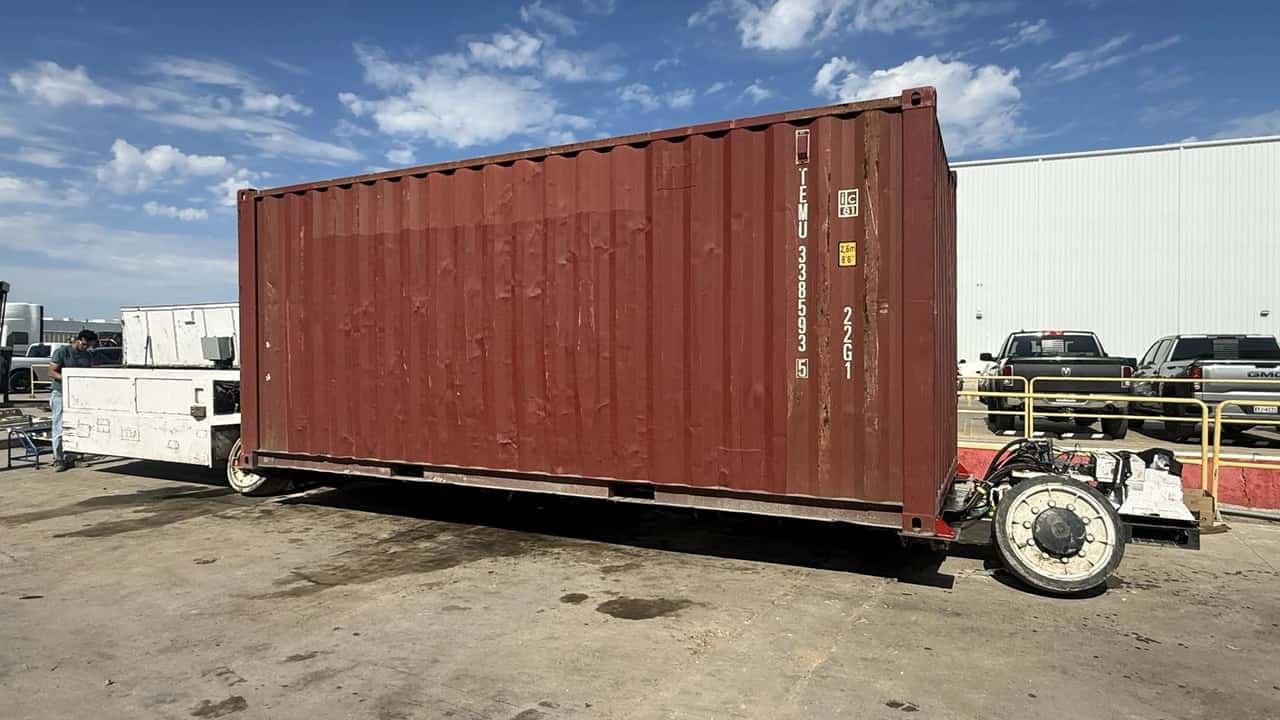
The Boring Company (TBC) has unveiled a novel application for Tesla hardware, utilizing the battery packs and electric powertrains from Model 3 vehicles to power a specialized remote-controlled logistics vehicle known as the 'Liner Truck.' Originally developed to ferry preformed concrete tunnel segments to active boring machines, this platform is now demonstrating its utility for hauling standard shipping containers through TBC's restrictive subterranean infrastructure.
Designed with a philosophy of maintaining zero human presence within its active tunneling environments, TBC relies on these remotely operated sleds to navigate extremely tight corridors. The spatial margins are incredibly narrow, with shipping containers passing through the tunnels with only roughly an inch of clearance on either side. This precision movement is essential to prevent structural contact, requiring the Liner Truck to navigate perfectly despite the inherent challenges of remote operation in a high-stakes, enclosed environment.
Technical Capabilities and Performance
Despite their repurposed automotive origins, these Liner Trucks exhibit impressive mechanical strength. TBC reports that the sleds are capable of hauling loads of up to 22,000 pounds, a figure that rivals the towing capacity of heavy-duty consumer trucks like the Ford F-250 Super Duty. The powertrain, while optimized for power rather than speed, allows the unit to sustain this heavy payload while navigating the complex geography of the tunnel network.
The technical specifications of the Liner Truck reflect its utilitarian, industrial purpose:
- Powertrain: Tesla Model 3 battery pack and electric motor assembly.
- Towing Capacity: Approximately 22,000 pounds.
- Top Speed (Under Load): 12 mph.
- Operational Range: 28 miles per charge cycle.
- Control Interface: Remote-piloted navigation system.
These units are not intended for high-speed transit; instead, they are engineered for the controlled, low-speed delivery of heavy materials. By repurposing existing, proven EV hardware, The Boring Company can maintain a consistent supply chain for its tunneling machines, ensuring that the necessary concrete liners are delivered precisely where and when they are needed.
Implications for Global Expansion
The role of these Liner Trucks is set to increase significantly as The Boring Company scales its operations. Following a massive $3 billion funding round that pushed the firm’s valuation to an estimated $23 billion, TBC has outlined ambitious expansion plans. The company is currently preparing for a 93-mile tunnel network in the United Arab Emirates and has recently broken ground on an additional 10-mile project in Nashville, Tennessee.
As these large-scale projects progress, the reliance on reliable, autonomous, and high-torque logistics hardware becomes paramount. By leveraging the scale of Tesla’s manufacturing ecosystem, The Boring Company has secured a repeatable, powerful, and relatively cost-effective method to power its infrastructure-heavy operations. Whether these sleds can eventually move beyond internal supply transport to facilitate broader logistics remains an open question, but for now, they serve as the vital link between surface operations and the deep-earth boring machines carving out the next generation of subterranean transit.