A New Standard for High-Speed Charging
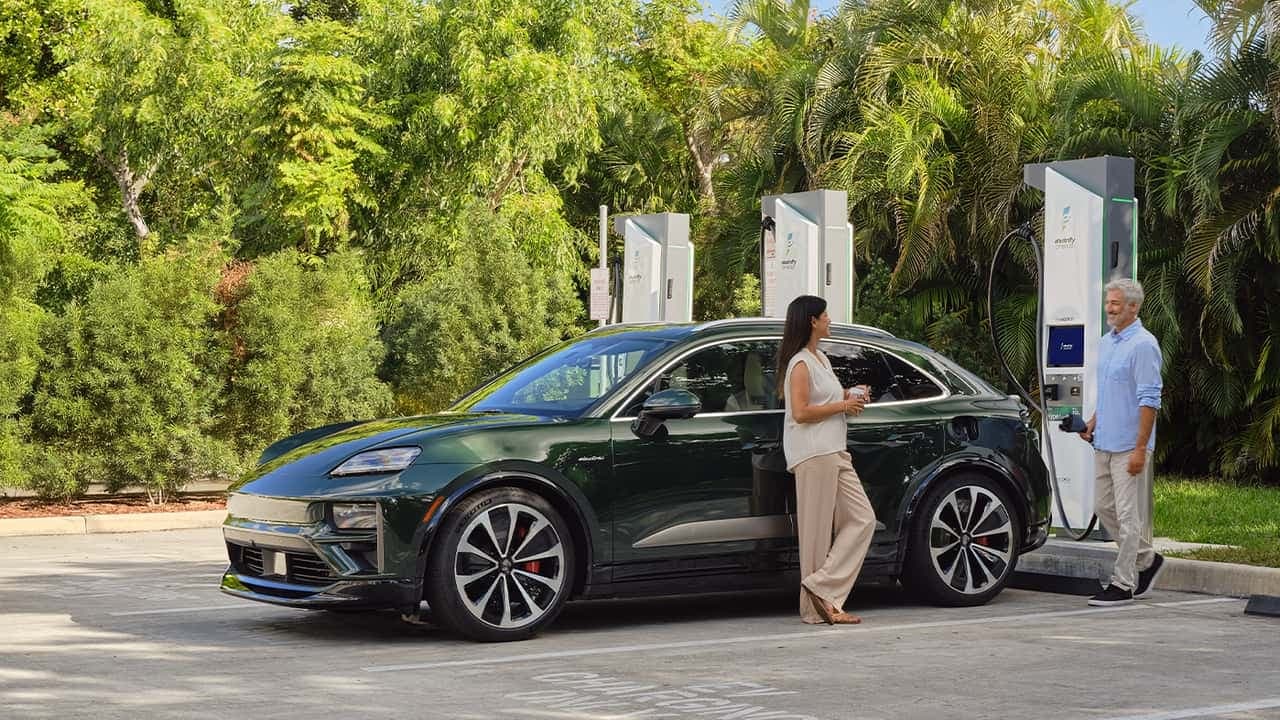
The landscape of electric vehicle infrastructure in the United States reached a significant inflection point this week as Electrify America officially powered up its largest fast-charging hub to date. Located in Orlando, Florida, the site stands as a massive logistical achievement for the company, featuring 24 dedicated high-speed charging stalls. Each unit is capable of delivering up to 350 kilowatts of power, providing a substantial capacity boost for both local residents and the heavy flow of tourists navigating the Interstate 4 corridor near Walt Disney World and Universal Studios.
This strategic placement is no accident. With Florida currently holding the title of the second-largest market for registered electric vehicles in the nation, right behind California, the need for high-throughput, reliable charging infrastructure has become critical. The station is integrated into the Sand Lake Corners South shopping center, allowing owners to capitalize on nearby retail and dining amenities while their vehicles undergo high-voltage charging sessions.
The Connector Conundrum
Despite the impressiveness of the site’s scale, a notable technical limitation remains: all 24 stalls are outfitted exclusively with CCS1 connectors. As the automotive industry pivots toward the North American Charging Standard (NACS)—championed by Tesla and adopted by major manufacturers including Rivian, General Motors, BMW, and Mercedes-Benz—the reliance on CCS1 at such a large, flagship facility highlights a lingering transition hurdle. EV owners who drive NACS-equipped vehicles will find themselves requiring a charging adapter to tap into the high-speed power provided by this station.
This limitation serves as a reminder that while infrastructure is scaling up to meet demand, the hardware landscape is still navigating a shift in standardization. For many drivers, having a reliable adapter has become as essential as carrying a spare tire in previous decades, especially as networks work to catch up with the widespread adoption of the Tesla-designed connector.
Context: The Evolution of Large-Format Charging
Electrify America is currently pushing a "large-format" station strategy designed to accommodate at least 20 vehicles simultaneously, a move aimed at curbing the wait times that have historically plagued public fast-charging sites. This Orlando deployment mirrors successful implementations already seen in California, where some sites even utilize mega-watt scale battery storage systems to manage grid demand during peak hours.
Why it Matters
- Scalability: The 24-stall configuration is a blueprint for future deployments in high-traffic tourist and commercial corridors.
- Grid Intelligence: By incorporating large-format designs, the network prepares for the rapid increase in EV adoption while minimizing localized grid strain.
- Infrastructure Gap: The continued, exclusive use of CCS1 connectors highlights that while power capacity is increasing, universal hardware compatibility remains the next big hurdle for operators.
As the network continues to expand, the focus on high-traffic hubs like the Orlando site signals a shift from scattered, low-density chargers to centralized, "gas-station-like" experiences that prioritize speed and multi-vehicle throughput.