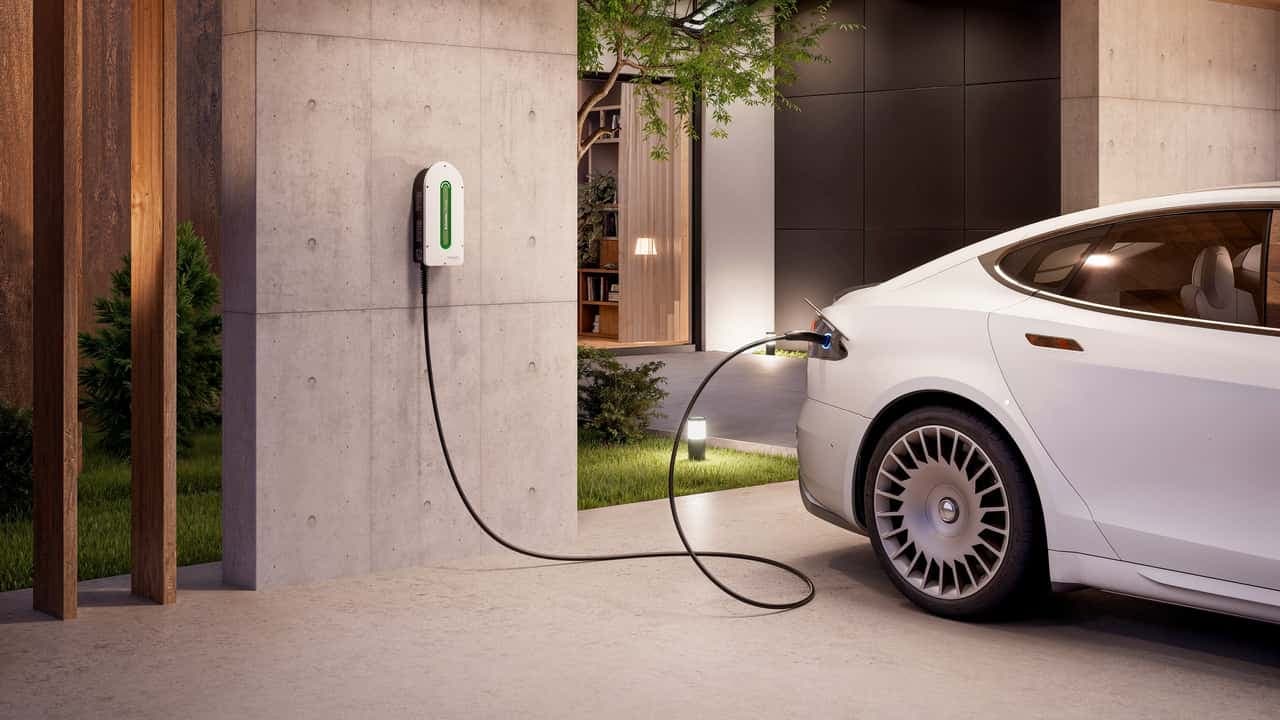
The Arrival of the Schneider Charge
Schneider Electric is shaking up the residential electric vehicle charging market with the launch of its latest Level 2 smart charger, aptly named the Schneider Charge. Designed for the North American market, this unit aims to solve one of the most common headaches for homeowners: the high cost and complexity of integrating dynamic load balancing into a home electrical system. With a maximum power output of 11.5 kW at 48 amps, the device is engineered to provide robust charging speeds while ensuring that household electrical panels remain protected from overloading.
The standout feature of this new offering is the inclusion of a pair of current transformer (CT) clamps directly in the retail package. While other manufacturers often treat load-balancing hardware as an expensive, optional accessory, Schneider has opted to bundle it, providing a more cohesive and cost-effective value proposition for the consumer. This hardware allows the charger to intelligently monitor the home’s total electrical consumption and adjust the EV's power intake in real-time, preventing the main breaker from tripping even during peak usage hours.
Competitive Positioning and Technical Specs
The Schneider Charge enters a space currently dominated by the ubiquitous Tesla Wall Connector. However, Schneider is positioning its product as a more accessible "all-in-one" solution. While Tesla’s charger is highly regarded for its design and ease of use, enabling dynamic load management on that system typically requires the purchase of an additional Remote Meter, which adds significant cost to the initial investment. By contrast, the Schneider unit retails at $695, creating a more attractive price point for those who need to manage limited amperage in older or smaller electrical panels without buying extra components.
Regarding installation and flexibility, the Schneider Charge is designed for both indoor and outdoor mounting, offering a versatile profile similar to its competitors. Customers have the choice between NACS and J1772 connector types, ensuring compatibility with virtually any EV currently on the market. The system is managed via a dedicated smartphone application that allows users to schedule charging sessions and keep tabs on energy consumption. While the initial launch is limited to a hardwired configuration with a 25-foot cable, the company has already confirmed that a plug-in version is currently in development for a release early next year.
Why it Matters
- Cost-Efficiency: Bundling essential load-balancing hardware reduces the total "out-the-door" cost for homeowners, especially those on tighter electrical budgets.
- Panel Protection: The dynamic load balancing feature ensures that users can maximize their charging speeds without requiring costly main panel upgrades.
- Versatility: Offering both NACS and J1772 options ensures the charger remains relevant as the industry shifts toward Tesla-developed charging standards.
Ultimately, the Schneider Charge represents a pragmatic shift toward smarter, more inclusive home infrastructure. While the hardwired nature of the current installation requires a physical connection from the main panel to the charger, the benefit of automated, intelligent power management provides a significant convenience advantage for those looking to future-proof their home energy setups.