E-BUZZ ME Logo
Electric VehiclesTechnical Deep Dive

BMW Overhauls Regensburg Plant to Prep for 'Neue Klasse' Electric Future

Published
EElectricBuzz Editorial Team
BMW Overhauls Regensburg Plant to Prep for 'Neue Klasse' Electric Future
3 min read441 wordsElectricBuzz Editorial Team

The Gist

BMW has completed a major infrastructure upgrade at its Regensburg facility, implementing a specialized 'battery marriage' process essential for the upcoming Neue Klasse EV platform.

Revolutionizing the Assembly Line

BMW has taken a significant step forward in its transition to an all-electric future, announcing a massive infrastructure overhaul at its flagship Regensburg production facility. Following a strategic three-week pause in production throughout August, the automaker successfully integrated a new pre-assembly line designed specifically for the 'Neue Klasse' electric vehicle architecture. The upgrades, which involved over 1,000 contractors, spanned every corner of the plant, from the press shop and paint lines to final assembly and logistics.

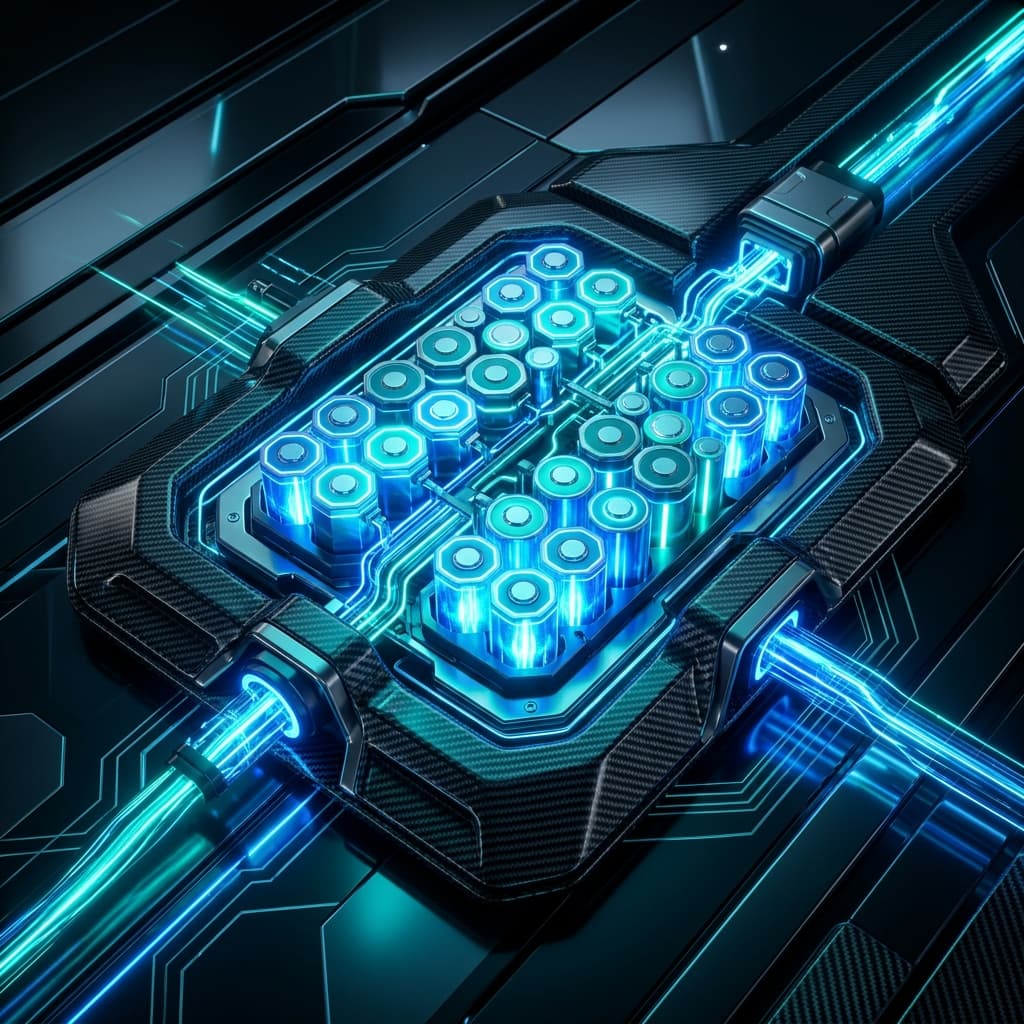
The centerpiece of this transformation is a new process BMW calls the 'battery marriage.' Unlike current internal combustion or hybrid models where the powertrain is integrated mid-assembly, the Neue Klasse platform mandates that the high-voltage battery be connected to the vehicle body at the very beginning of the assembly process. To facilitate this, BMW installed a sophisticated new assembly line and a high-bay warehouse capable of storing a full day’s supply of energy modules. These batteries are now transported via an automated conveyor bridge and positioned by precision gantry grippers before robotic arms secure them directly into the vehicle structure.

Flexibility as a Competitive Advantage

The Regensburg site, which holds the title of BMW’s highest-volume plant in Europe with over 342,500 vehicles produced in 2024, is being primed for extreme manufacturing agility. The goal is to ensure that the factory can simultaneously produce combustion, hybrid, and full-electric models on the same production lines. By adapting the entire assembly sequence to accommodate the modular nature of the Neue Klasse, BMW is hedging against market volatility, allowing the brand to shift production volumes based on shifting consumer demand.

Why it Matters

  • Strategic Scaling: Regensburg serves as a testing ground for the manufacturing protocols that will be rolled out across the global BMW network for the Neue Klasse launch.
  • Structural Integration: The shift to integrating the battery at the start of production signifies a move toward structural pack design, which typically improves chassis rigidity and weight distribution.
  • Automated Efficiency: The new automated conveyor system and robotic battery-mating stations reduce human error and increase throughput, essential for maintaining the plant’s 1,400-vehicle daily output.

The Path Ahead

While BMW has remained tight-lipped regarding which specific Neue Klasse model will be the first to roll off the lines in Regensburg, the commitment to production readiness is clear. The facility has been under a continuous cycle of modernization since late 2024, including the commissioning of a new body construction facility in nearby Neutraubling. With these latest hardware upgrades now operational, the plant is firmly positioned to handle the high-voltage requirements of the next generation of BMW electric mobility when production begins in the latter half of this decade.

Related Stories

Semantically matched articles, ranked by topic overlap and freshness.

New York Port Authority Bets $45M on Heavy-Duty EV Transition
Electric Vehicles

New York Port Authority Bets $45M on Heavy-Duty EV Transition

A major new partnership aims to replace diesel-reliant port vehicles with zero-emission alternatives through robust financial incentives and infrastructure build-outs.

Xiaomi Escalates EV War: Direct European Challenge to German Luxury Brands Set for 2027
Electric Vehicles

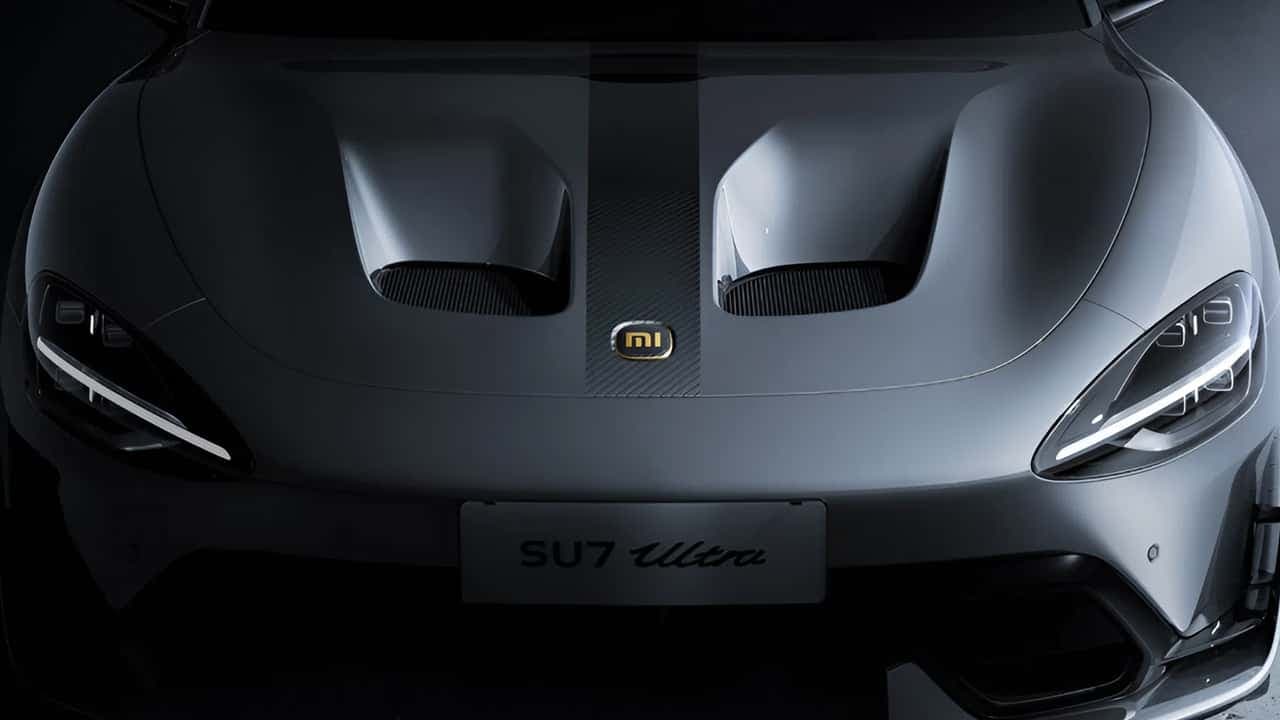
Xiaomi Escalates EV War: Direct European Challenge to German Luxury Brands Set for 2027

Tech giant Xiaomi is officially bringing its high-performance, hyper-connected electric vehicles to the European market, putting traditional German stalwarts on notice.

Stellantis Revolutionizes EV Aftermarket With Refurbished Battery Program
Electric Vehicles

Stellantis Revolutionizes EV Aftermarket With Refurbished Battery Program

Stellantis is tackling the high cost of EV ownership by launching a factory-certified refurbishment program for high-voltage batteries and electrified components.

BYD's Racco Challenges Japan’s EV Status Quo
Electric Vehicles

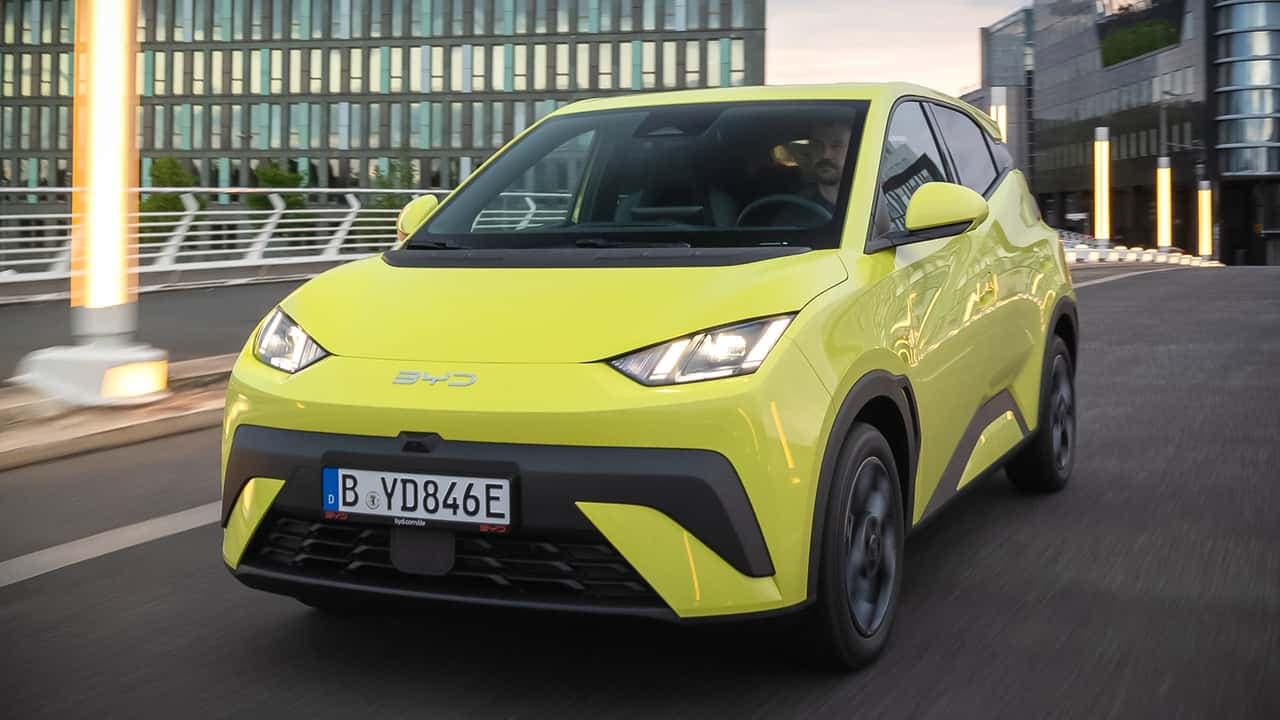
BYD's Racco Challenges Japan’s EV Status Quo

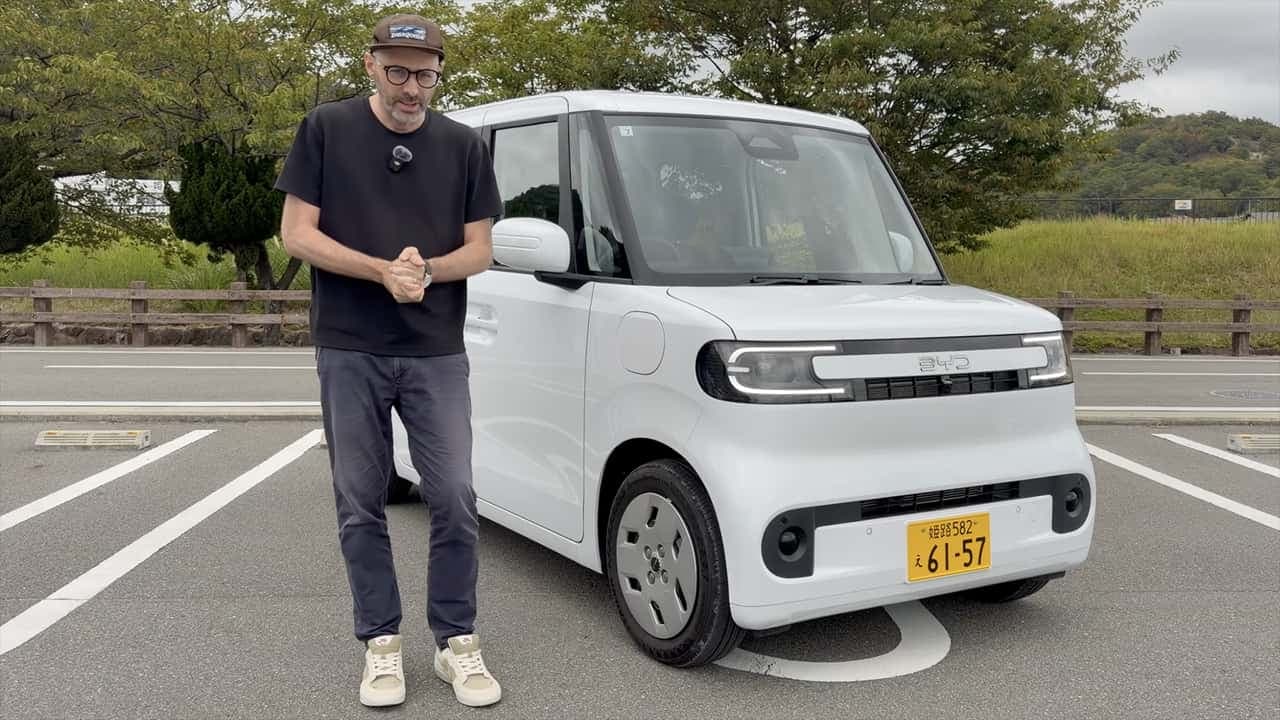
BYD enters the competitive Japanese kei car market with the Racco, a thoughtfully engineered electric vehicle that prioritizes practicality and range over raw power.

Thessaloniki Expands Green Transit Fleet with 50 New Yutong E-Buses
Electric Vehicles

Thessaloniki Expands Green Transit Fleet with 50 New Yutong E-Buses

The Greek city of Thessaloniki has officially integrated 50 new electric articulated buses from Yutong into its public transport network, marking a significant milestone in the city's sustainable mobility strategy.

UK EV Market Surges: Electric Powertrains Outpace Gas in Landmark August Shift
Electric Vehicles

UK EV Market Surges: Electric Powertrains Outpace Gas in Landmark August Shift

Electric vehicles have officially become the top-selling powertrain in the UK, capturing a significant 30% market share as policy mandates and shifting consumer preferences drive the transition away from fossil fuels.

Schneider Electric Challenges Tesla With New Smart Home EV Charger
Electric Vehicles

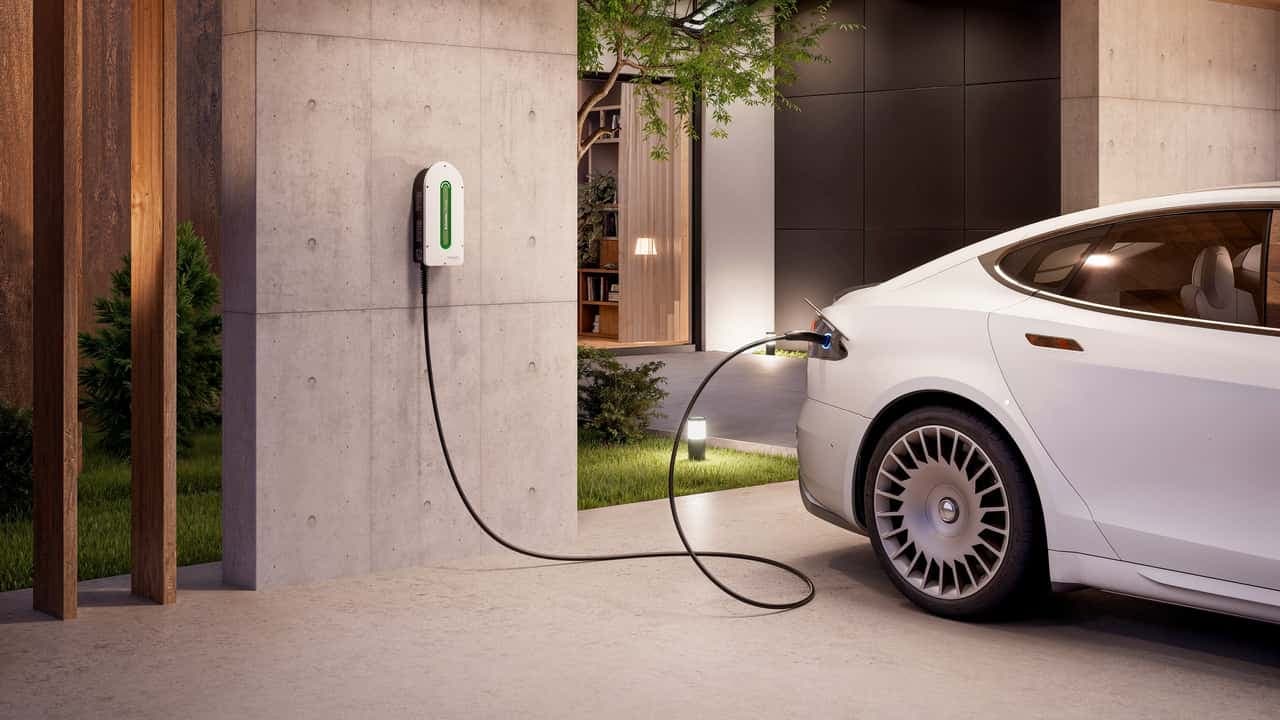
Schneider Electric Challenges Tesla With New Smart Home EV Charger

Schneider Electric has launched a powerful new home EV charger that simplifies energy management by including dynamic load-balancing hardware right out of the box.

Decoding EV Battery Health: How Tesla Models Age Over 100,000 Miles
Electric Vehicles

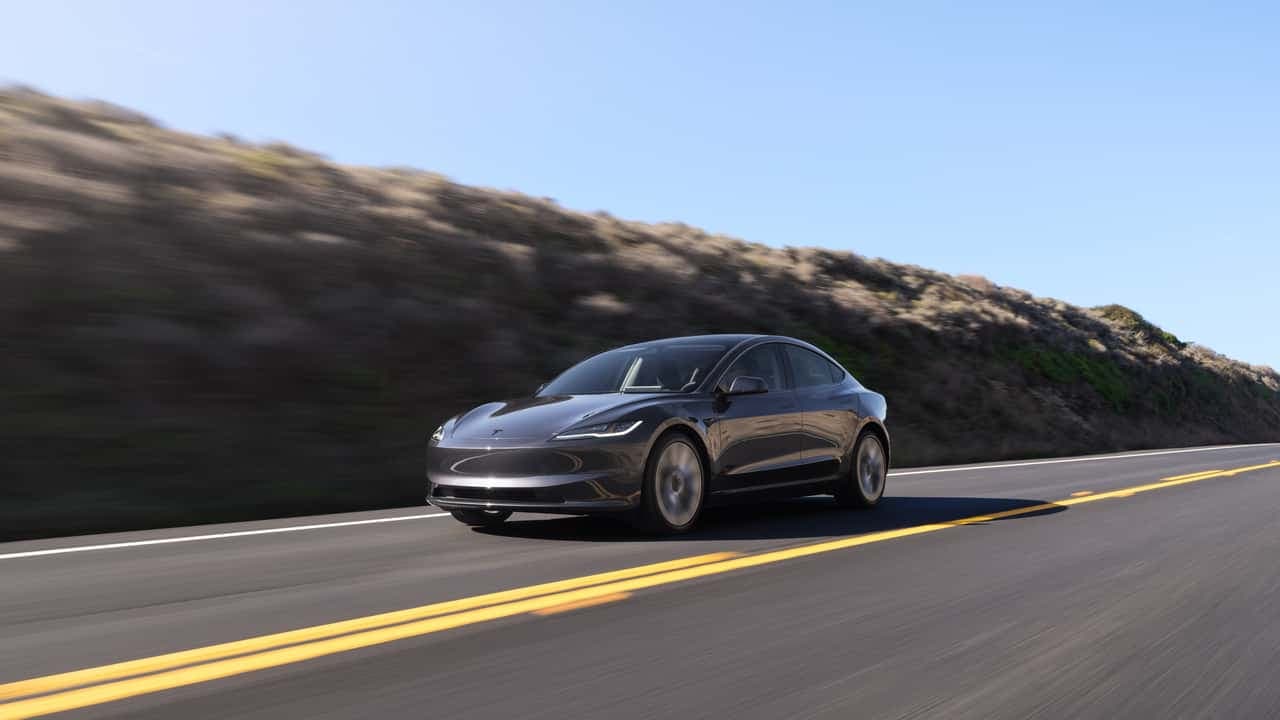
Decoding EV Battery Health: How Tesla Models Age Over 100,000 Miles

A comprehensive study of 500,000 battery tests reveals how Tesla's popular electric vehicles hold up after nearly 100,000 miles of real-world driving.