The Disruptor's European Expansion
Xiaomi, the global consumer electronics titan often referred to as the 'Apple of the East,' is preparing to challenge the bedrock of European automotive prestige. Following two years of explosive growth and success in its domestic Chinese market—where it has moved over 700,000 units—the company has confirmed that it will officially enter the European market, including Germany, by 2027. This move represents more than just a geographic expansion; it is a direct confrontation with the luxury brands that have dominated European roads for decades.
The company has already taken significant steps to establish a footprint, securing partnerships with eight major dealership networks across the region. This infrastructure is designed to support the rollout of vehicles that promise to redefine the intersection of consumer technology and high-performance mobility. By focusing on a strategy that integrates deeply with a user's digital life, Xiaomi aims to disrupt a market where many legacy automakers are still struggling to modernize their software suites.
The Performance Battleground
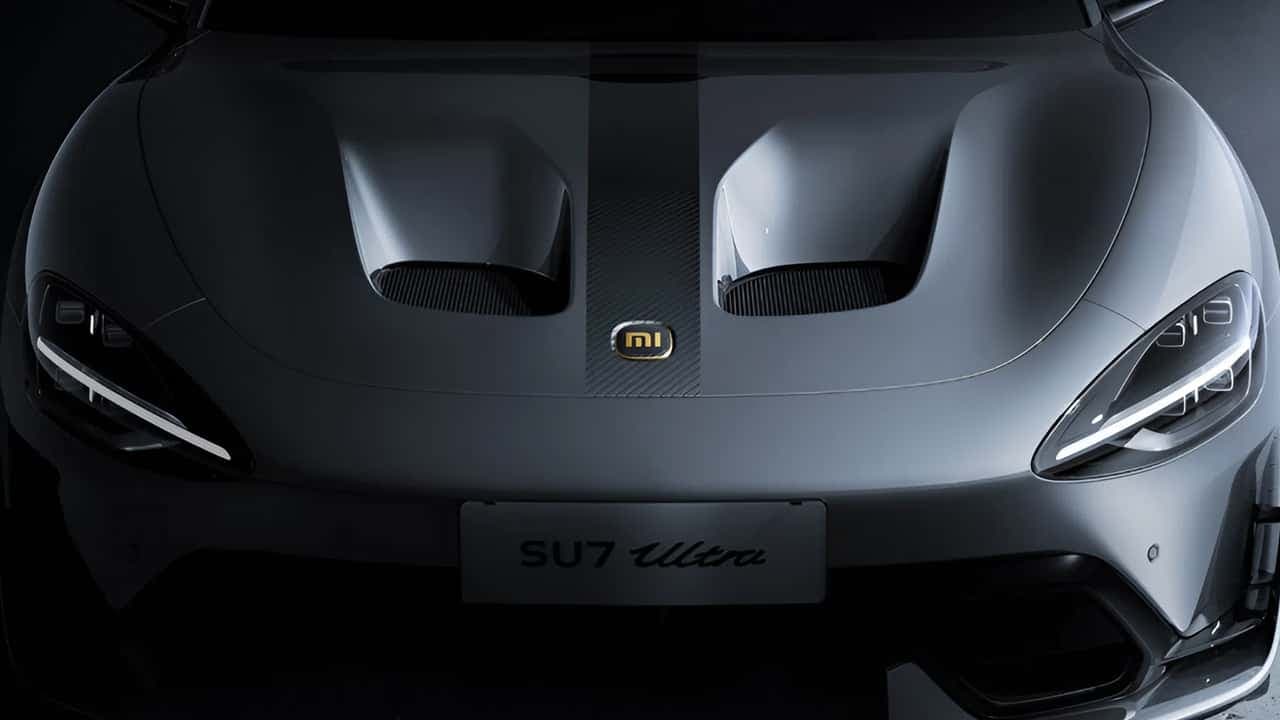
Xiaomi has not been shy about its competitive positioning. Its engineering teams have explicitly targeted the performance benchmarks set by stalwarts like Porsche. The Xiaomi SU7 Ultra has already made waves by taking to the legendary Nürburgring circuit, effectively challenging the supremacy of the Porsche Taycan Turbo GT. This is not mere posturing; it is a signal that Xiaomi’s hardware capabilities now match its software-first pedigree.
Furthermore, the upcoming YU7 GT crossover serves as a prime example of the hardware delta. Boasting 990 horsepower, this model offers a significant power advantage—roughly 300 horsepower more than the top-tier Porsche Macan EV—at what is expected to be a much more aggressive price point. For consumers who prioritize performance-per-dollar, the math is increasingly favoring the newcomers.
Human x Car x Home Ecosystem
Beyond raw power, Xiaomi’s competitive advantage lies in its 'Human x Car x Home' ecosystem. This platform allows for seamless integration between the vehicle and over 1,000 different smart devices. While many legacy automakers treat infotainment as a siloed experience, Xiaomi’s approach treats the vehicle as a mobile extension of the smart home, creating a level of connectivity that makes many current European luxury offerings feel like remnants of a bygone era.
Why It Matters
- Market Realignment: European luxury brands have seen their Chinese market share collapse as local buyers pivot toward tech-forward domestic EVs. Xiaomi’s arrival in Europe signals that this competitive pressure is going global.
- Pricing Pressure: By offering premium tech and high performance at lower margins, Xiaomi threatens the premium pricing models that have historically sustained German automotive profitability.
- Connectivity Standards: As consumer expectations shift toward deep digital integration, Xiaomi’s mature software ecosystem provides a blueprint for what a 'connected car' should look like, forcing incumbents to accelerate their own digital transformation.
The success of this endeavor will hinge on pricing strategy and brand perception. Should Xiaomi position its vehicles as accessible luxury alternatives, they are well-poised to capture significant market share from the traditional German guard. However, should the company attempt to compete head-to-head on pricing with established icons, they face a steep climb in gaining the brand loyalty required to unseat century-old manufacturers. Regardless, the battle for the European driveway is officially heating up.