E-BUZZ ME Logo
Electric VehiclesTechnical Deep Dive

Automakers Push Congress for Permanent Ban on Chinese Vehicles Over National Security Risks

Published
EElectricBuzz Editorial Team
Automakers Push Congress for Permanent Ban on Chinese Vehicles Over National Security Risks
2 min read366 wordsElectricBuzz Editorial Team

The Gist

Major U.S. automakers urge Congress to permanently ban Chinese cars before year-end, citing national security risks from connected car software and hardware. The Alliance for Automotive Innovation warns Chinese automakers are "dumping subsidized vehicles" to collect sensitive consumer data.

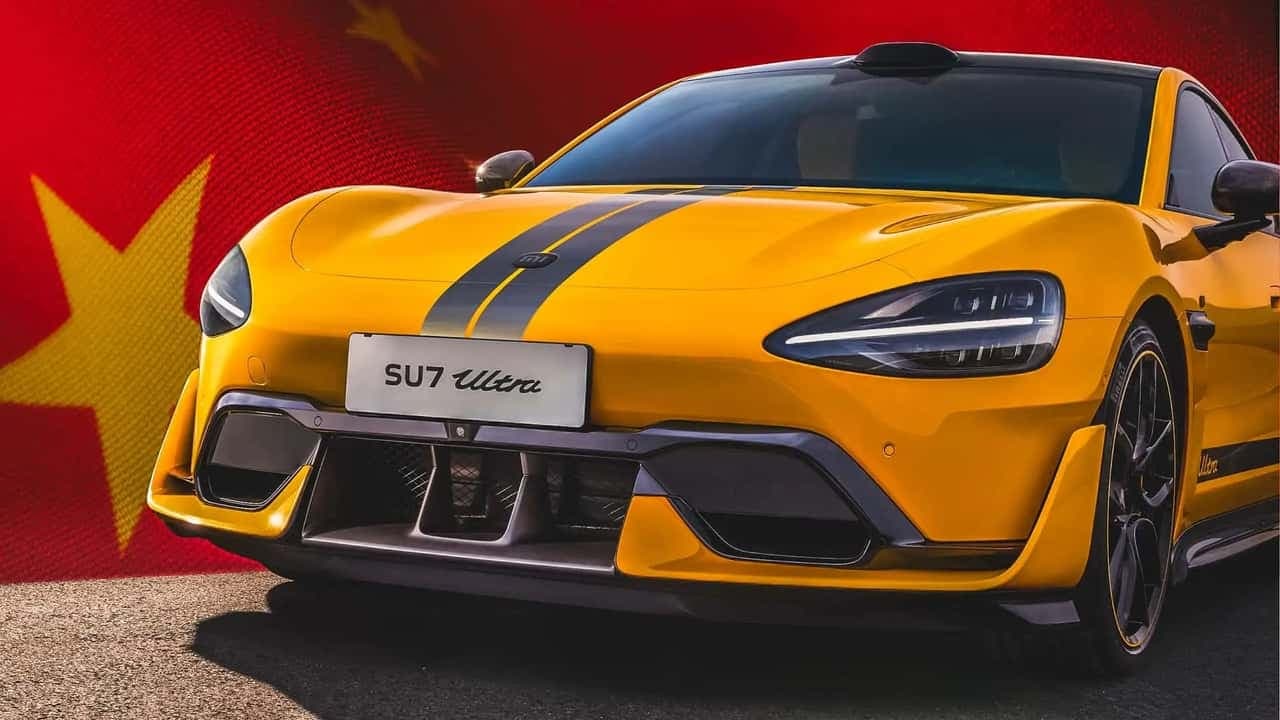
The Alliance for Automotive Innovation, representing dozens of major U.S. carmakers including GM, Ford, Honda, BMW, Toyota, and Volvo, has formally urged Congress to enact a permanent ban on Chinese vehicles before the end of the year. In a letter sent to legislative leaders, the industry group warned that Chinese automakers are "dumping subsidized vehicles with connected software and hardware" globally, a practice it claims allows the Chinese Communist Party to collect sensitive vehicle and consumer data. This push comes despite the fact that Chinese-made vehicles already face a 100% import tariff and existing Commerce Department rules restricting Chinese software and hardware in connected vehicles—restrictions that previously prevented Polestar from operating in the U.S. market.

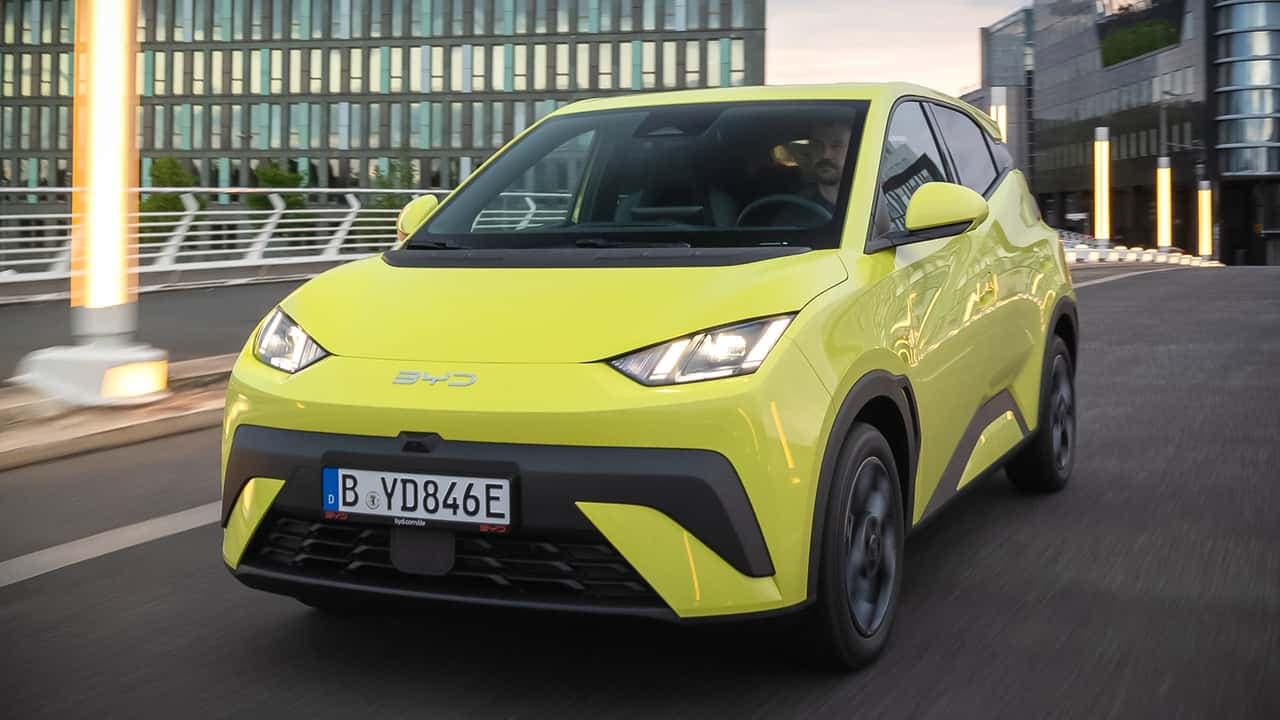
The lobbying effort frames the proposed legislation as a necessary national security response to what automakers describe as China's strategy to dominate global automotive manufacturing. The Alliance argues that Chinese government subsidies have enabled local companies to offer significantly cheaper vehicles than Western competitors, creating an unlevel playing field. The group emphasizes that the initiative aims to "send a clear and bipartisan message" that China's growing influence in the sector will be met with a unified American response. With BYD, China's biggest carmaker, seeing increased success in Europe with its growing portfolio of EVs and PHEVs, U.S. automakers are seeking to preempt a similar trajectory domestically.

  • Alliance for Automotive Innovation represents GM, Ford, Honda, BMW, Toyota, and Volvo.
  • > Letter urges permanent ban on Chinese cars before year-end. > Claims Chinese automakers "dumping subsidized vehicles" to collect data. > Chinese vehicles already face 100% import tariff and Commerce restrictions. > Previously blocked Polestar from operating in the U.S. > Aims to "send a clear and bipartisan message" against China's dominance.

As the year-end deadline approaches, the automotive industry is framing this not merely as a trade dispute, but as a matter of cybersecurity and data sovereignty. The Alliance's letter underscores a growing consensus among U.S. manufacturers that the integration of Chinese-connected software in vehicles poses an unacceptable risk to American consumer privacy and national security. Whether Congress will act on this bipartisan appeal before the calendar turns remains to be seen, but the pressure on lawmakers has never been more intense.
Related Stories

Semantically matched articles, ranked by topic overlap and freshness.

Thessaloniki Expands Green Transit Fleet with 50 New Yutong E-Buses
Electric Vehicles

Thessaloniki Expands Green Transit Fleet with 50 New Yutong E-Buses

The Greek city of Thessaloniki has officially integrated 50 new electric articulated buses from Yutong into its public transport network, marking a significant milestone in the city's sustainable mobility strategy.

UK EV Market Surges: Electric Powertrains Outpace Gas in Landmark August Shift
Electric Vehicles

UK EV Market Surges: Electric Powertrains Outpace Gas in Landmark August Shift

Electric vehicles have officially become the top-selling powertrain in the UK, capturing a significant 30% market share as policy mandates and shifting consumer preferences drive the transition away from fossil fuels.

Schneider Electric Challenges Tesla With New Smart Home EV Charger
Electric Vehicles

Schneider Electric Challenges Tesla With New Smart Home EV Charger

Schneider Electric has launched a powerful new home EV charger that simplifies energy management by including dynamic load-balancing hardware right out of the box.

Decoding EV Battery Health: How Tesla Models Age Over 100,000 Miles
Electric Vehicles

Decoding EV Battery Health: How Tesla Models Age Over 100,000 Miles

A comprehensive study of 500,000 battery tests reveals how Tesla's popular electric vehicles hold up after nearly 100,000 miles of real-world driving.

UltraTech Cement Accelerates Industrial Decarbonization with 600+ New Electric Trucks
Electric Vehicles

UltraTech Cement Accelerates Industrial Decarbonization with 600+ New Electric Trucks

Cement giant UltraTech is staging a massive shift in logistics, deploying over 600 heavy-duty electric vehicles to slash emissions across its Indian supply chain.

Tesla’s Cybercab Hits Public Roads: A Quiet Evolution in Autonomous Transport
Electric Vehicles

Tesla’s Cybercab Hits Public Roads: A Quiet Evolution in Autonomous Transport

Tesla's steering-wheel-free Cybercab has begun transporting passengers in Austin, marking a major milestone in the shift toward fully autonomous, pedal-free ride-hailing.

Oslo Achieves Global Milestone: 48.8% of Passenger Cars Are Electric
Electric Vehicles

Oslo Achieves Global Milestone: 48.8% of Passenger Cars Are Electric

Oslo has become the world's most electrified city with 48.8% of passenger cars electric, utilizing over 3,500 AC charging plugs as the primary infrastructure rather than fast chargers, enabled by 2020 legislation granting apartment residents the right to install home chargers.

Tesla Cybercab Introduces Brake-By-Wire System Eliminating Traditional Hydraulics
Electric Vehicles

Tesla Cybercab Introduces Brake-By-Wire System Eliminating Traditional Hydraulics

Tesla's robotaxi eliminates brake lines and fluid, using individual electronic actuators at each caliper for the first time in mass production. The innovation reduces costs and enables independent wheel braking control.