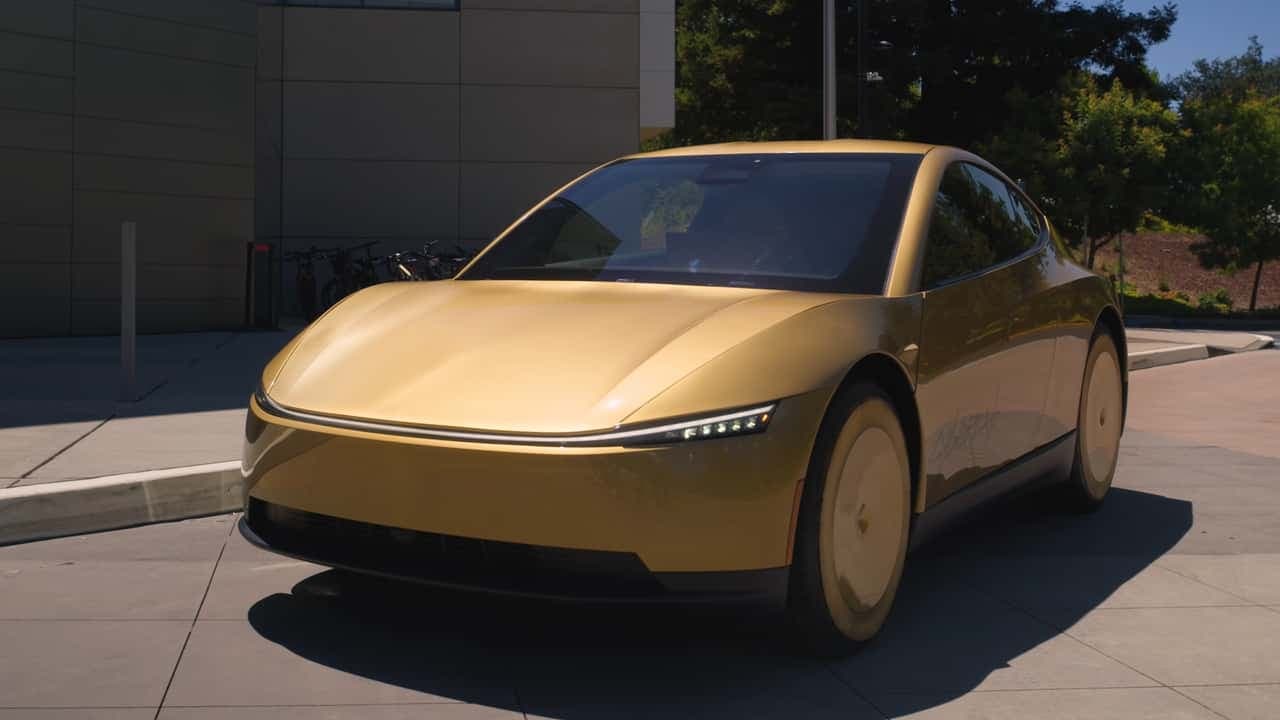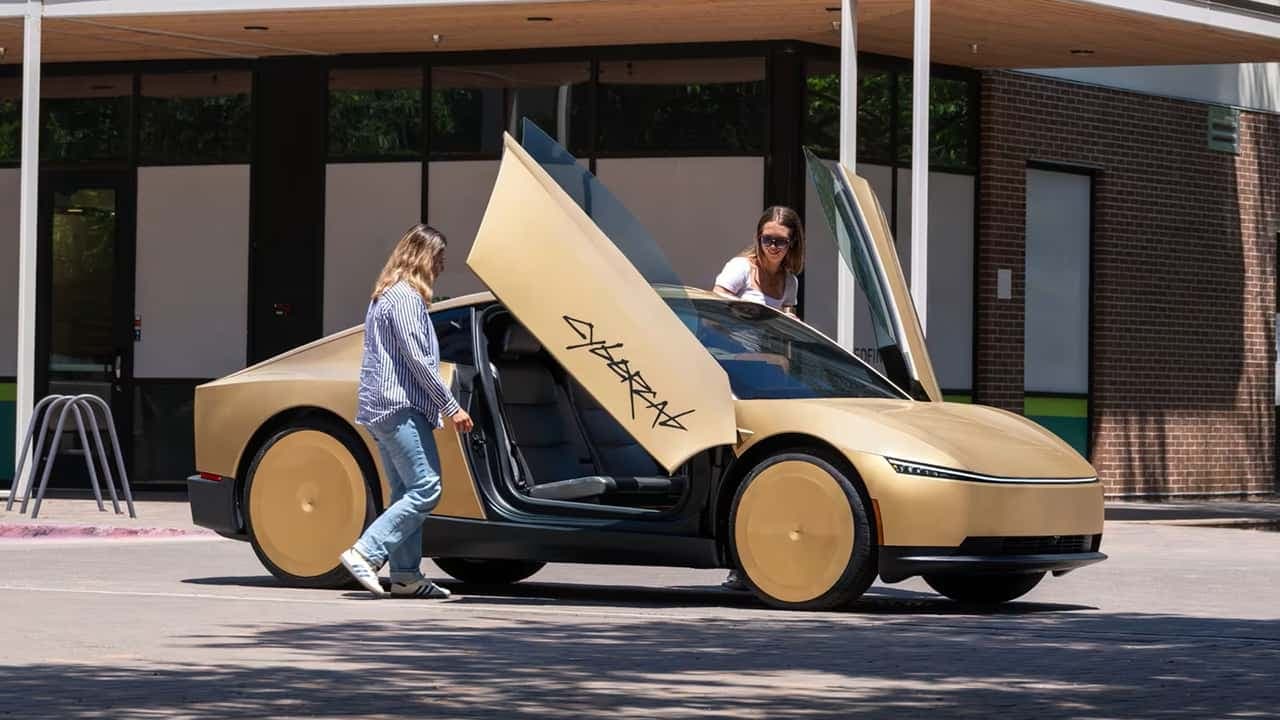
The National Highway Traffic Safety Administration (NHTSA) has initiated a formal investigation into Tesla's Cybercab, focusing on the company's self-certification process under Federal Motor Vehicle Safety Standards (FMVSS). The probe was triggered following Tesla's public launch of the driverless vehicle in Austin, Texas, and stems from the regulator's concern that the vehicle's design fundamentally departs from established safety norms.
Central to the investigation is Tesla's determination that certain FMVSS regulations are inapplicable to its autonomous Cybercab. The NHTSA specifically scrutinizes Tesla's claims regarding the exemption of standards requiring a steering wheel, brake pedal, and side mirrors. Unlike traditional vehicles, the Cybercab operates without these controls, relying entirely on automated systems for navigation and stopping. This self-certification approach mirrors a previous NHTSA scrutiny faced by Amazon-owned Zoox, raising questions about the consistency of the regulatory framework for driverless vehicles.
The agency finds itself at a crossroads, balancing the push for innovation against its mandate to ensure public safety. While NHTSA officials have stated they are reworking rules to ease restrictions on autonomous vehicle rollouts, they emphasized that existing regulations remain in effect until formally changed. The agency maintains that it must ensure all automakers follow federal laws, even as they navigate the complexities of deploying vehicles designed for a driverless future.
- Investigation Trigger: Launched following Tesla's Cybercab launch in Austin.
- Core Issue: Non-compliance with FMVSS regarding steering wheel, brake pedal, and side mirrors.
- Self-Certification: Tesla determined certain standards inapplicable to the driverless design.
- <>Precedent: Similar probe previously conducted into Zoox.
- Regulatory Stance: Existing rules apply until formally amended; innovation must not bypass safety.
As the NHTSA continues to refine its approach to autonomous vehicle oversight, the outcome of this investigation could set a significant precedent for how future driverless vehicles are certified and deployed on public roads.