EVs Endure the Chill: Range Dips, But Cost Savings Remain
Electric vehicles are known for their efficiency, but how do they fare against Mother Nature's extreme temperatures? A recent study by AAA sheds light on how both EVs and hybrids perform in cold and hot conditions, revealing some expected range reductions alongside surprising financial advantages for electric models.
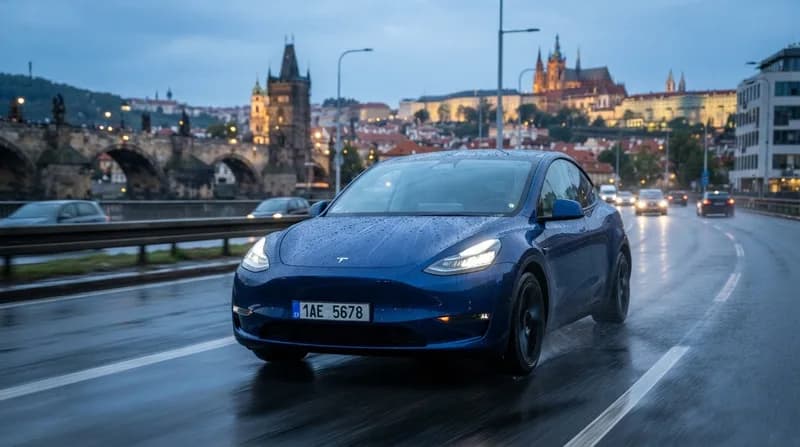
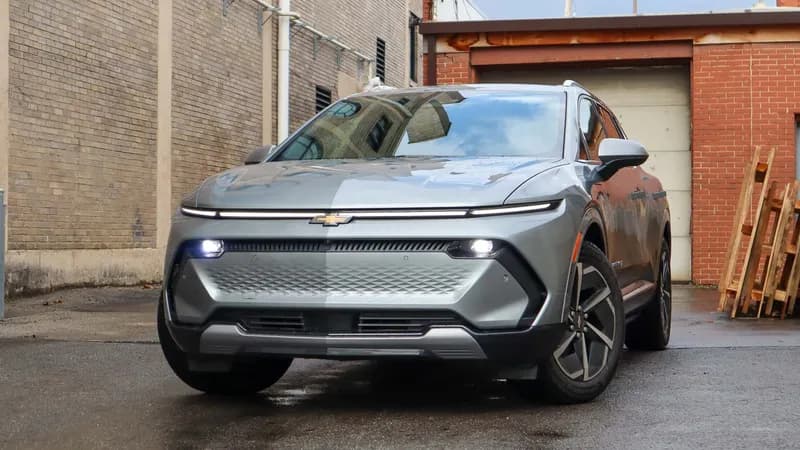
The comprehensive study put six popular vehicles – including the Chevrolet Equinox EV, Tesla Model Y, and Ford Mustang Mach-E, alongside hybrid counterparts like the Toyota Prius and Honda CR-V – through rigorous dynamometer testing at various temperatures. While a baseline was set at a comfortable 72°F, things got interesting at the extremes.
- In chilling 20°F weather, EVs experienced an average range decrease of 39%. Hybrids also saw a hit, with a 22.8% drop in fuel economy.
- During scorching 95°F conditions, EVs lost about 8.5% of their range, while hybrids saw a 12% dip in efficiency.
Despite these range fluctuations, the study highlighted a crucial point: EVs are generally cheaper to operate over 1,000 miles than hybrids, particularly when charging at home. At 20°F, driving an EV 1,000 miles costs an average of $87.75, a significant 29% less than the average hybrid. However, relying exclusively on public DC fast charging can flip this script, potentially making EVs more expensive. This reinforces the importance of home charging for maximizing EV cost savings, even when battling the elements.