A Record-Breaking Shift to Hybrids
In a landscape defined by persistent fuel price concerns, American consumers are rapidly moving toward gas-electric powertrains. Hyundai has officially reported that hybrids accounted for a staggering 29% of its total U.S. sales volume throughout October 2026—a historic high for the brand. This pivot highlights a broader market trend where drivers, feeling the squeeze at the pump, are increasingly opting for the immediate fuel-efficiency benefits of hybrid systems over pure internal combustion engines.
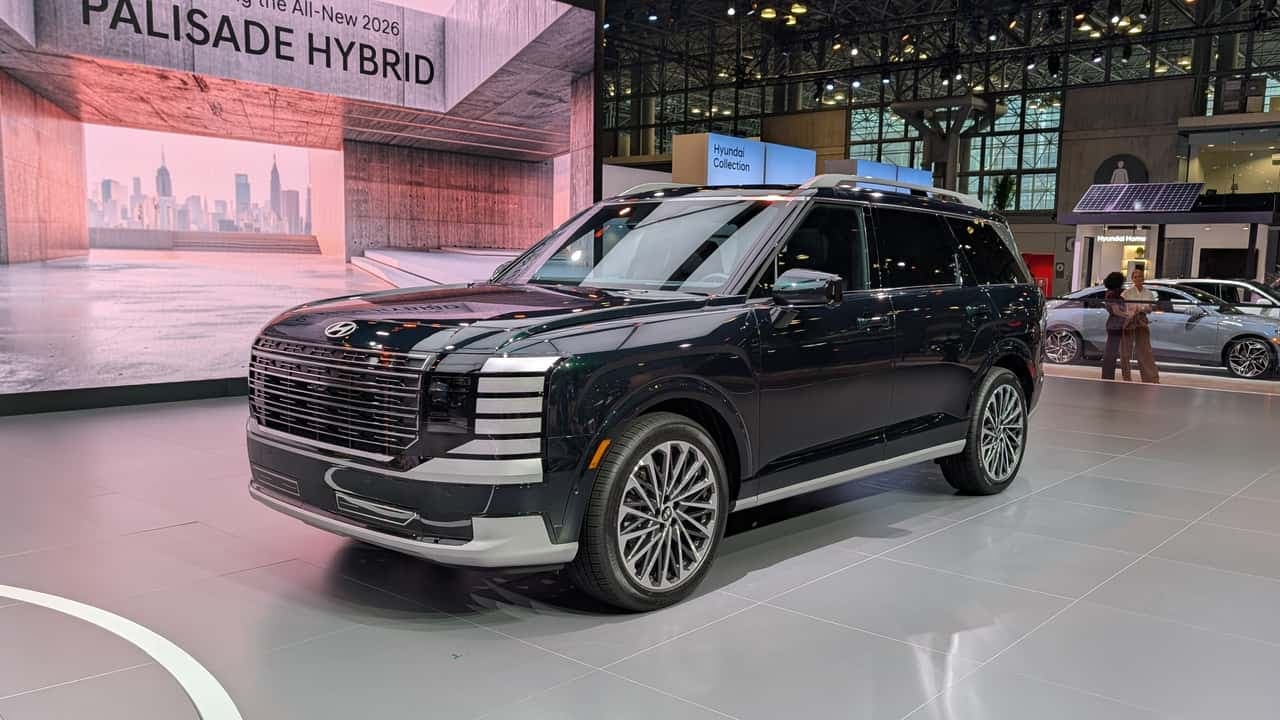
While Hyundai aggregates its hybrid data within individual model reporting, the success is clearly driven by strong demand for larger vehicles. Both the Santa Fe and the Palisade reached new October sales milestones, proving that buyers are no longer willing to sacrifice size and utility for fuel economy. This growth in the hybrid segment has contributed to a successful quarter for the manufacturer, which saw total October sales hit 73,452 units, marking a 5% increase compared to the previous year.
The Kia EV3 and the Rebound of Electric Vehicles
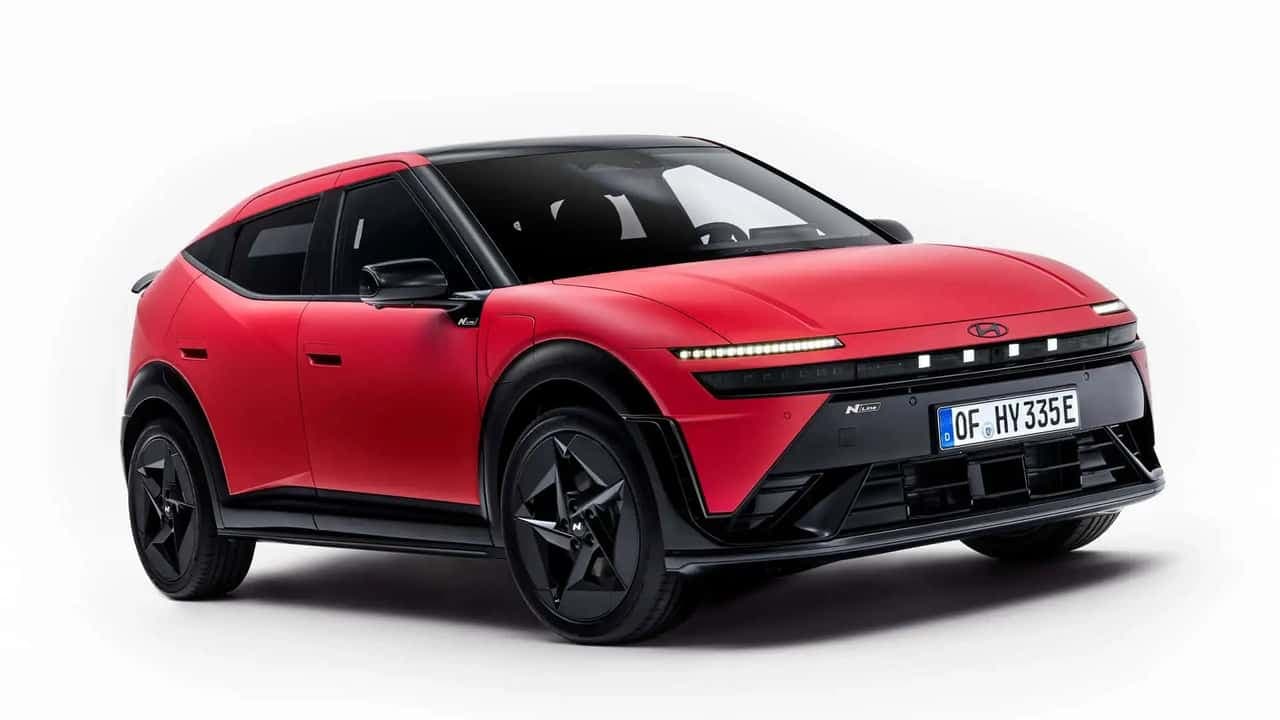
While the hybrid segment is driving immediate volume, Kia is making significant waves in the pure-electric arena with the debut of the EV3. Positioned as one of the most accessible electric vehicles in the United States with a starting price of $31,385, the EV3 is already demonstrating that affordability is the primary catalyst for EV adoption. Even in the early stages of its production ramp-up, the EV3 has managed to outperform the larger, more established EV6 crossover in monthly sales figures.
Kia’s broader electric vehicle portfolio is also seeing a robust recovery. After a difficult period in late 2025 caused by the expiration of federal tax incentives, the brand is reporting strong year-over-year gains. The three-row EV9 saw a massive 111% surge in sales, reaching 1,406 units, while the EV6 climbed by 58%. These figures, while bolstered by an easy comparison against a weak October 2025, indicate that the appetite for premium electric SUVs remains high when production and market conditions align.
Why it Matters
- Price Sensitivity: The success of the sub-$32,000 Kia EV3 proves that mass-market adoption of electric vehicles is heavily contingent on lower entry price points.
- Bridge Technology: Hybrids are currently serving as the preferred "bridge" technology for American families, allowing them to mitigate the costs of high gas prices without transitioning fully to plug-in charging infrastructure.
- Strategic Shifts: Hyundai is looking beyond consumer retail sales to sustain its momentum; the company’s recent commitment to supplying thousands of Ioniq 5-based robotaxis to Waymo suggests a future where fleet demand acts as a stabilizing force for electric vehicle manufacturing.
Outlook and Market Implications
The Korean automotive duo is effectively hedging its bets by maintaining a dual-track strategy. By leaning into the hybrid market to satisfy immediate consumer demand for fuel-sipping family haulers, they are simultaneously generating the revenue and production experience necessary to scale their next-generation EV lineups. Looking ahead, the expansion of the EV3 and potential autonomous vehicle partnerships indicate that Hyundai and Kia are positioning themselves to dominate both the personal mobility and future robotaxi sectors, provided they can continue to navigate the volatility of federal policy and global supply chains.