The Anatomy of an 'Empty' Battery
For many electric vehicle owners, the sight of a zero-percent battery indicator or a 'zero miles remaining' notification on the dashboard triggers immediate range anxiety. However, recent findings from the 2026 ECOBEST Challenge suggest that 'empty' is often more of a cautious suggestion than a hard technical limit. The study, which pushed 15 production-spec electric vehicles to their absolute limit in real-world conditions, discovered that every single participant continued to function for a distance after the dashboard signaled the end of the road.
This discrepancy exists because automakers build in protective buffers to prevent deep discharge, which can cause irreparable chemical damage to lithium-ion cells. As the state of charge nears its bottom, the vehicle management system begins restricting power and eventually cuts current to the motors before the battery is fully depleted. This safety margin means that while the interface reports zero, a small, protected reserve remains to keep the low-voltage systems operational and, in many cases, to provide a few final miles of movement.
Testing the Limits
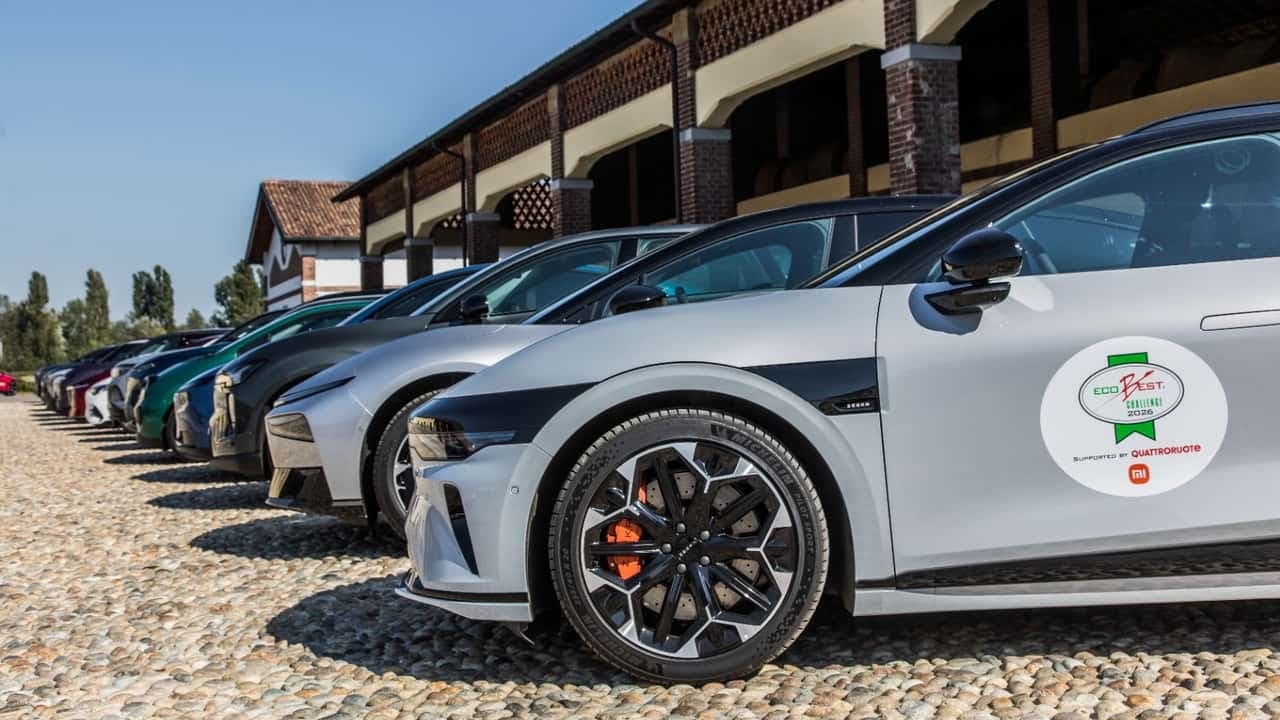
The ECOBEST Challenge involved a diverse convoy of 15 EVs driving through a varied landscape near Milan, Italy, incorporating city streets, winding country roads, and high-speed motorways. To maintain scientific integrity, the test utilized a standardized protocol: all vehicles were driven in their default settings with climate control active, and drivers were rotated every 19 miles to neutralize individual driving habits. The final exhaustion runs took place under controlled conditions at the Quattroruote Vairano proving ground, where vehicles were driven until they could no longer propel themselves.
The disparity between the top and bottom performers was significant, highlighting how different manufacturers calibrate their 'empty' thresholds. The Leapmotor B10 surprised observers by covering nearly 20 miles after reaching zero, essentially acting as the gold standard for conservative range estimation. Tesla’s Model Y followed closely, reinforcing the brand's reputation for accurate yet reliable energy management by squeezing out over 19 miles of buffer range.
The Bottom-Tier Performers
While the leaders offered a decent grace period, not all vehicles were as generous with their hidden reserves. The Xpeng P7+ stood out at the lower end of the spectrum, grinding to a halt after just 0.6 miles of travel beyond the zero-mark. This stark contrast demonstrates that EV owners cannot rely on a universal 'safety cushion' across the industry. While some vehicles provide enough distance to navigate to a nearby charger, others provide almost zero margin for error, effectively turning a zero-range warning into an immediate roadside emergency.
Why it Matters
- Buffer Variability: Different brands interpret 'zero' differently, ranging from a practical safety net to an immediate stop-gap.
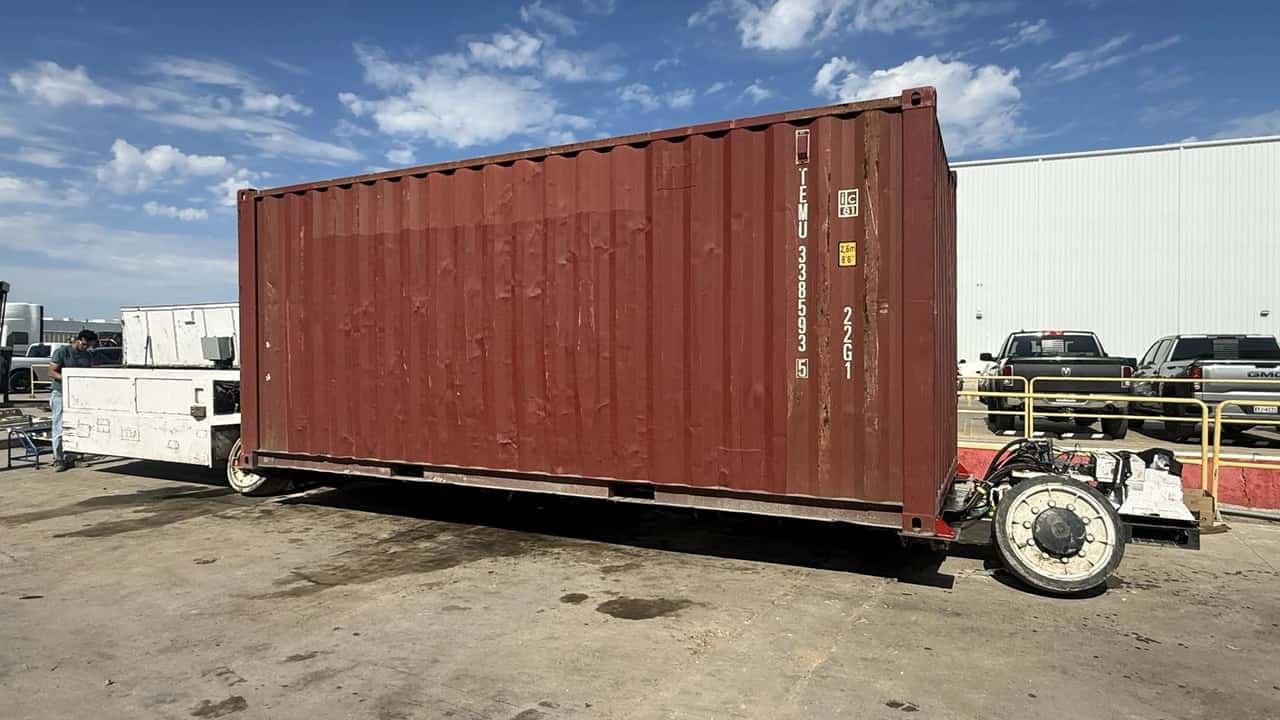
- Roadside Realities: The use of a Zeekr 7GT as a support vehicle utilizing V2L (Vehicle-to-Load) technology highlights how modern EV infrastructure can facilitate emergency charging without traditional tow trucks.
- Software vs. Hardware: Range prediction is an algorithm-based estimate. The point at which the range hits zero does not always perfectly align with the physical depletion of the battery’s usable energy, leading to significant inconsistency in user experience.
Ultimately, these findings serve as a stark reminder: when the display hits zero, treat it as an urgent signal to find a charger immediately. While some cars offer a 20-mile lifeline, others will leave you stranded in less than the time it takes to walk a city block.