The Shift to Full Electrification
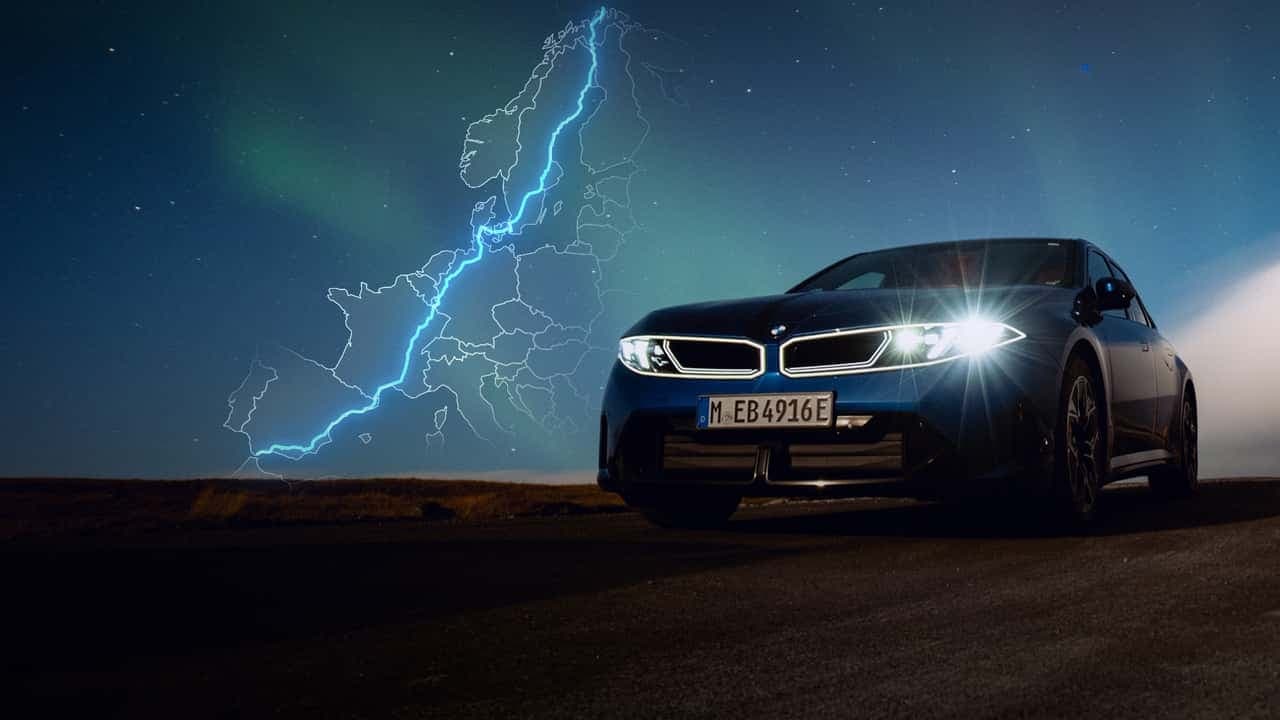
The European automotive market has crossed a monumental threshold in its transition toward sustainable mobility. According to fresh data for the third quarter of this year, battery electric vehicle (BEV) sales have officially eclipsed the combined volume of traditional internal combustion engine (ICE) vehicles. This milestone, highlighted by research firm Transport & Environment, marks a decisive turning point in the continent's aggressive push toward a zero-emission future.
During the third quarter, European consumers purchased 710,580 fully electric vehicles. In contrast, the combined sales of gas-powered cars (492,930 units) and diesel-powered vehicles (162,610 units) totaled 655,540. This gap demonstrates that electric mobility is no longer a niche segment but the dominant force in the new car market, with 13 out of 27 EU member nations reporting record-breaking EV adoption numbers.
The Growing Breadth of Adoption
This success is not limited to historically electric-friendly regions like Norway—which remains the gold standard with nearly 98% market share—or the Netherlands and Sweden. The trend is spreading deep into the heart of Europe. Nations such as France, Germany, Belgium, Portugal, and Ireland have all surpassed the 25% market share mark for new electric vehicle sales.
Perhaps most encouraging is the progress seen in emerging markets like Croatia. While the absolute numbers are smaller, the growth trajectory is astronomical, with EV sales rising 244% since 2025 as traditional ICE sales decline by 19%. This widespread adoption suggests that the European infrastructure and consumer sentiment have aligned to prioritize electrification over fossil fuel reliance.
Why It Matters: Strategy and Affordability
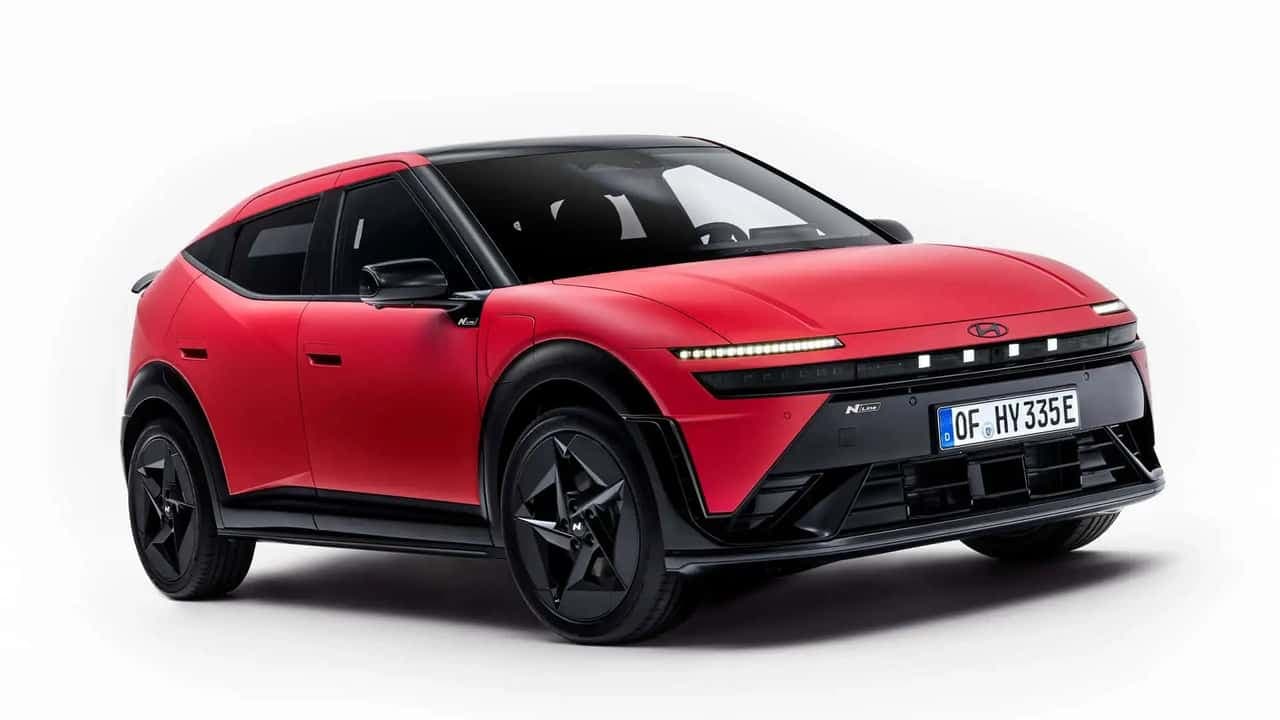
The primary driver behind these record numbers is the sudden influx of accessible, affordable hardware. Automakers are finally addressing the "price gap" that has long hindered mass adoption. By flooding the market with budget-friendly hatchbacks and crossovers, manufacturers are capturing segments of the population previously priced out of the electric revolution.
- Increased Competition: The entry of Chinese manufacturers like Leapmotor, Geely, and BYD has introduced high-value vehicles such as the B10 and Dolphin, forcing domestic players to react.
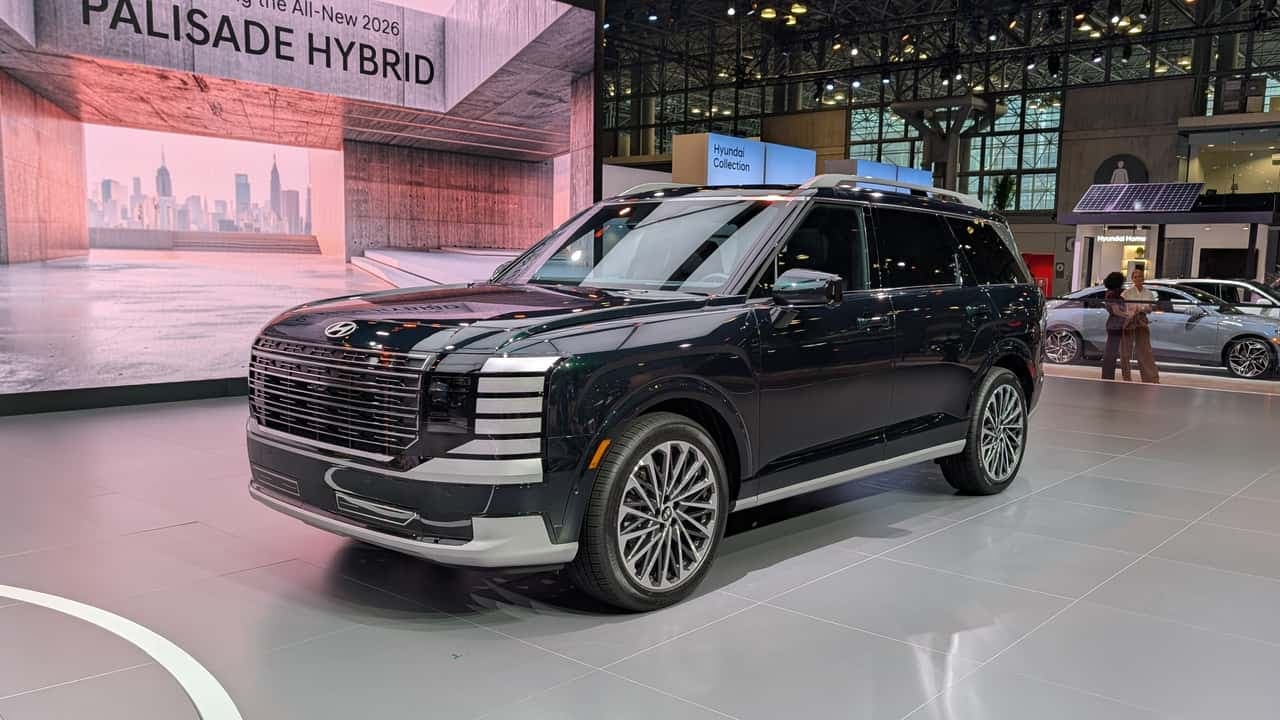
- Domestic Resilience: European giants including Renault, Stellantis, Hyundai, Kia, and Volkswagen have pivoted their portfolios to prioritize compact, affordable EVs, effectively countering the threat of foreign budget imports.
- The Future of Hybrids: While hybrids still edge out full electric models by approximately 180,000 units, the momentum favors BEVs. With new budget-focused projects like the Dacia Spring, the industry anticipates that full electrics will soon capture the hybrid segment as well.
Outlook and Implications
The disparity between the European market and the United States remains stark. While the U.S. continues to grapple with eroding incentives and a limited selection of entry-level options, Europe has cultivated a self-sustaining ecosystem of choice and accessibility. As automakers continue to refine their manufacturing processes and battery chemistries, the gap between electric vehicles and their legacy counterparts will only widen. For the global automotive industry, the European experience serves as a roadmap for how policy, competition, and product innovation can successfully dismantle the dominance of the combustion engine in just a few short years.