The R2 Revolution
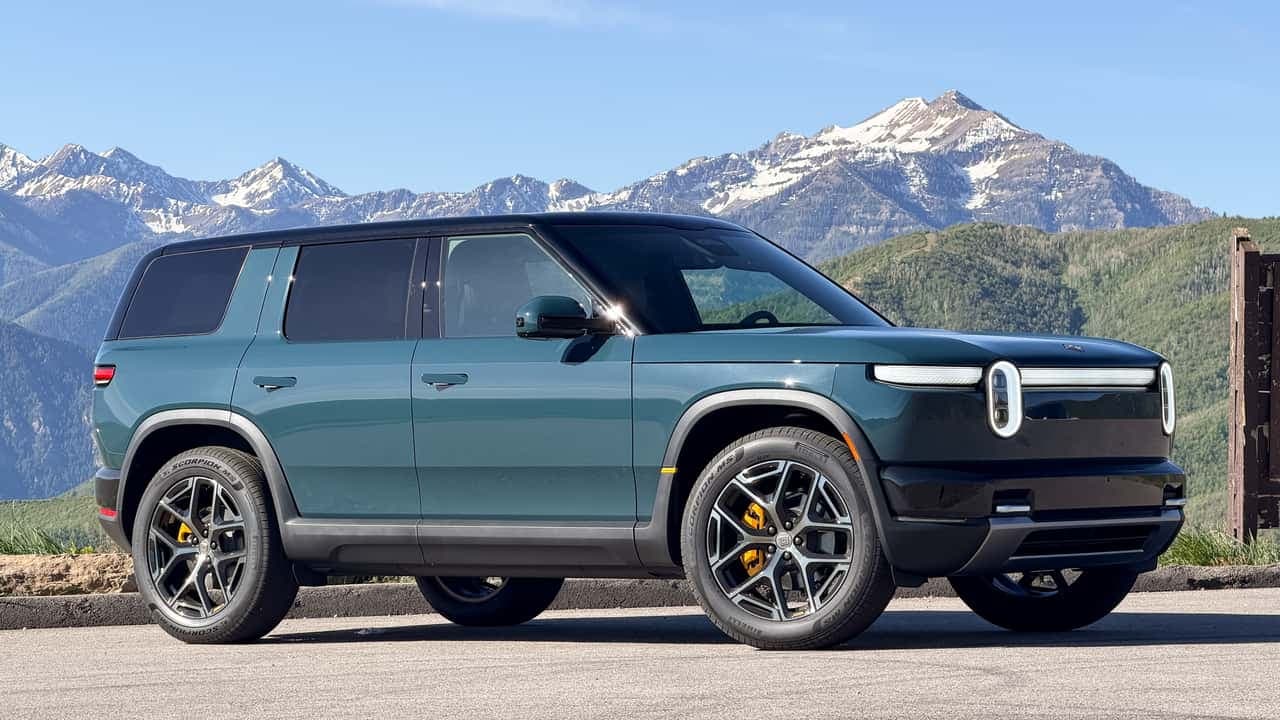
In a decisive move for its market position, Rivian has officially crowned the R2 as its best-selling model just months after the midsize electric SUV began reaching customer driveways. During the company’s third-quarter earnings report, leadership confirmed that the R2 has already surpassed the sales volume of the R1T pickup, the R1S SUV, and the brand’s specialized electric delivery vans. This shift in momentum has led to a strategic revision of the company’s annual delivery guidance, which has been nudged upward to a range of 67,000 to 70,000 units, reflecting significant optimism as the manufacturer enters the final stretch of the year.
CEO RJ Scaringe lauded the vehicle’s reception, noting that both consumer sentiment and media analysis have been overwhelmingly positive. To sustain this demand, Rivian has implemented a second shift of production for the R2, aggressively ramping up its output rate. This operational scaling is intended to move the company toward a positive automotive gross margin by the end of the year, a critical milestone for any electric vehicle startup navigating the high-cost transition to mass-market production.
Strategic Scaling and Financial Context
The R2 is positioned as a direct challenger to the industry-leading Tesla Model Y, serving as the linchpin of Rivian's efforts to achieve true economies of scale. While the company still posted a net loss of $913 million this past quarter, this figure represents a notable improvement from the $1.17 billion loss recorded during the same period in the previous year. Revenue grew by an impressive 38% to $2.1 billion, bolstered not only by vehicle sales but also by substantial gains in its software and services division, which saw a 45% revenue increase, heavily influenced by its collaborative partnership with the Volkswagen Group.
Rivian’s broader vision extends well beyond the hardware of the R2. The company is actively building its 'Autonomy+' platform, a sophisticated driver assistance system designed to eventually handle point-to-point navigation on city streets. This ambition is underscored by the company’s recent acquisition of Third Dimension, a U.K.-based synthetic data startup, which will play a foundational role in training the software needed for future autonomous efforts, including a planned fleet of up to 50,000 robotaxis intended for Uber’s network by 2028.
Why it Matters
- Market Pivot: By focusing on the midsize SUV segment, Rivian is moving from a niche luxury manufacturer to a high-volume competitor.
- Financial Health: Despite ongoing net losses, the push toward a positive automotive gross margin indicates that production efficiencies are finally beginning to materialize.
- Tech Integration: The synergy between its hardware launches and software-as-a-service income streams—particularly the Volkswagen partnership—provides a cushion that traditional automakers often struggle to replicate.
Product Roadmap and Accessibility
The R2 lineup is built on a staggered rollout strategy intended to capture diverse segments of the EV market. The current offering is headlined by the Performance Launch Edition, which retails just under the $60,000 mark. A more accessible Premium trim priced at $53,990 is expected to hit the market before the end of the calendar year. Looking further ahead, the company plans to introduce a Standard version in 2027 with a starting price of $44,990, a move that will likely widen the brand's reach significantly. As these models scale, they will provide the necessary capital to fuel the development of the future R3 and R4 platforms, cementing Rivian's intent to dominate the affordable luxury SUV space for the next decade.