The Shift Toward Serviceability
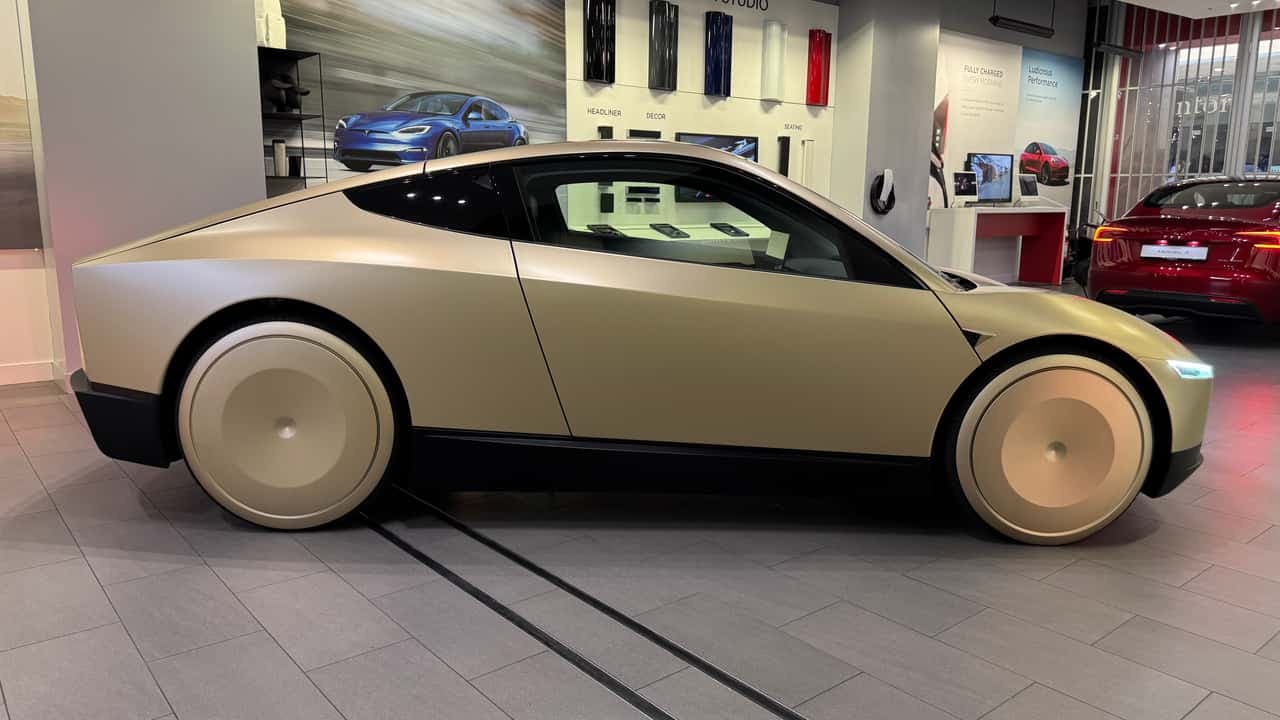
For years, Tesla has been a leading proponent of structural battery packs—a design philosophy where battery cells are integrated directly into the vehicle's frame, removing traditional modules to shed weight and maximize interior space. While this approach offers distinct advantages in energy density and manufacturing speed, it created a significant hurdle for maintenance: near-zero repairability. With the debut of the Cybercab, Tesla is making a strategic pivot, acknowledging that when it comes to autonomous fleet operations, long-term serviceability is far more valuable than the marginal gains of a fully integrated structural design.
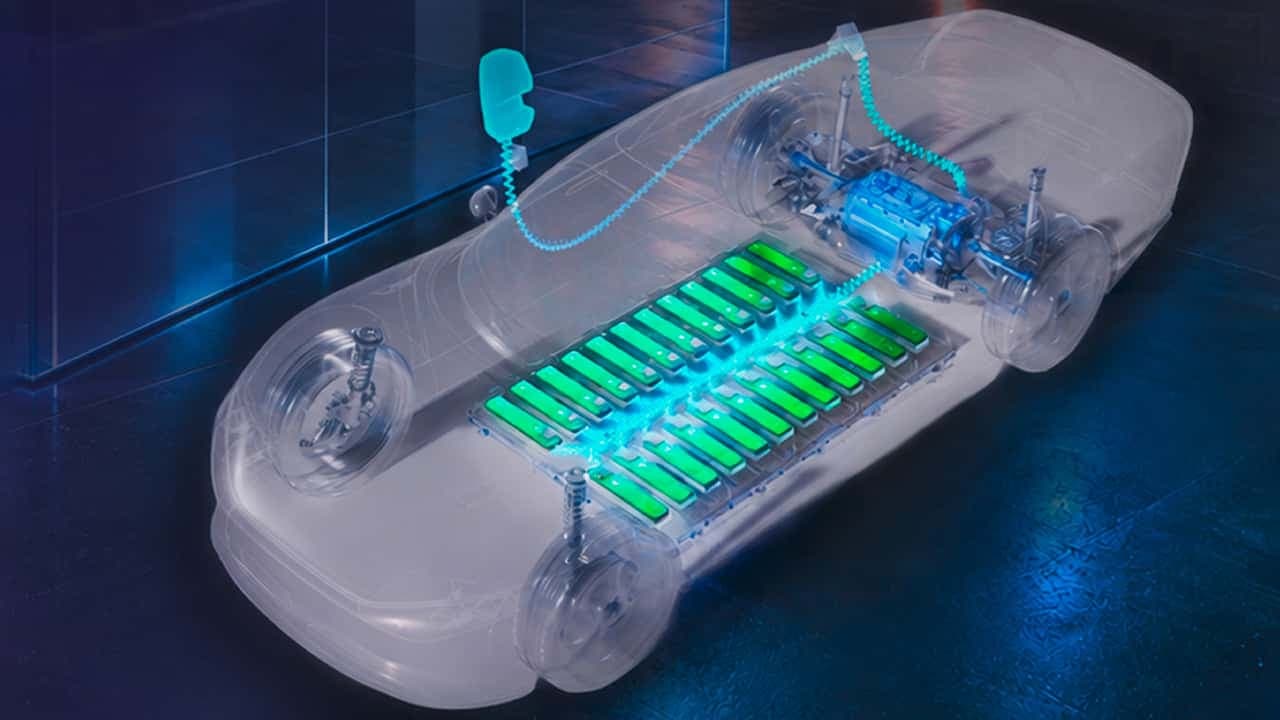
In a candid breakdown provided to Munro & Associates, Tesla’s engineering leadership awarded the Model Y’s structural battery a "D" grade regarding its service life. Because the cells in the Model Y and Cybertruck are bonded together using a hard potting material, a single failing cell or module often necessitates the replacement of the entire, expensive battery pack. The Cybercab, by contrast, adopts a "semi-structural" approach, utilizing four distinct battery modules. This architecture allows technicians to swap out a single faulty unit without discarding the entire battery system, a design change that fundamentally shifts the economics of the vehicle's maintenance.
Why It Matters: The Economics of Autonomy
For a standard consumer vehicle, battery failure is relatively rare and often falls within the vehicle's warranty window. However, the Cybercab is designed for the grueling environment of a robotaxi, where vehicles are expected to endure hundreds of thousands of miles of near-constant use. In this business model, Total Cost of Ownership (TCO) is the primary driver of profitability. If a robotaxi requires a full battery replacement every few years, the business case for a cost-effective, autonomous ride-hailing fleet collapses.
- Modular Design: The Cybercab features four removable modules, allowing for component-level repairs rather than full-pack replacements.
- TCO Focus: Lower maintenance costs are essential for the viability of robotaxi fleets intended for high-mileage deployment.
- Strategic Trade-off: While engineers estimate a 10% reduction in cell volume compared to a non-modular structural pack, the operational savings from easier maintenance are considered a net positive for fleet operators.
- Evolutionary Engineering: This shift reflects a maturing approach to EV design, where extreme integration is no longer seen as the only path forward for every vehicle segment.
An Outlook on Future Fleet Reliability
Tesla’s decision highlights an emerging consensus in the automotive industry. While major manufacturers like BMW, Porsche, and Ford continue to push for tighter cell-to-body integration to squeeze out extra range, the reality of high-intensity commercial use demands a different set of priorities. By embracing a modular structure for the Cybercab, Tesla is signaling that the era of "disposable" battery packs for fleet vehicles is coming to a close.
As autonomous technology continues to scale, the industry will likely see a split in design philosophies: structural, non-repairable packs for high-range private passenger vehicles, and modular, serviceable packs for commercial and autonomous transit. This pivot ensures that the Cybercab can remain on the road longer, reducing downtime and keeping the cost per mile competitive as the vehicle moves closer to widespread production.