The 500-Mile Milestone
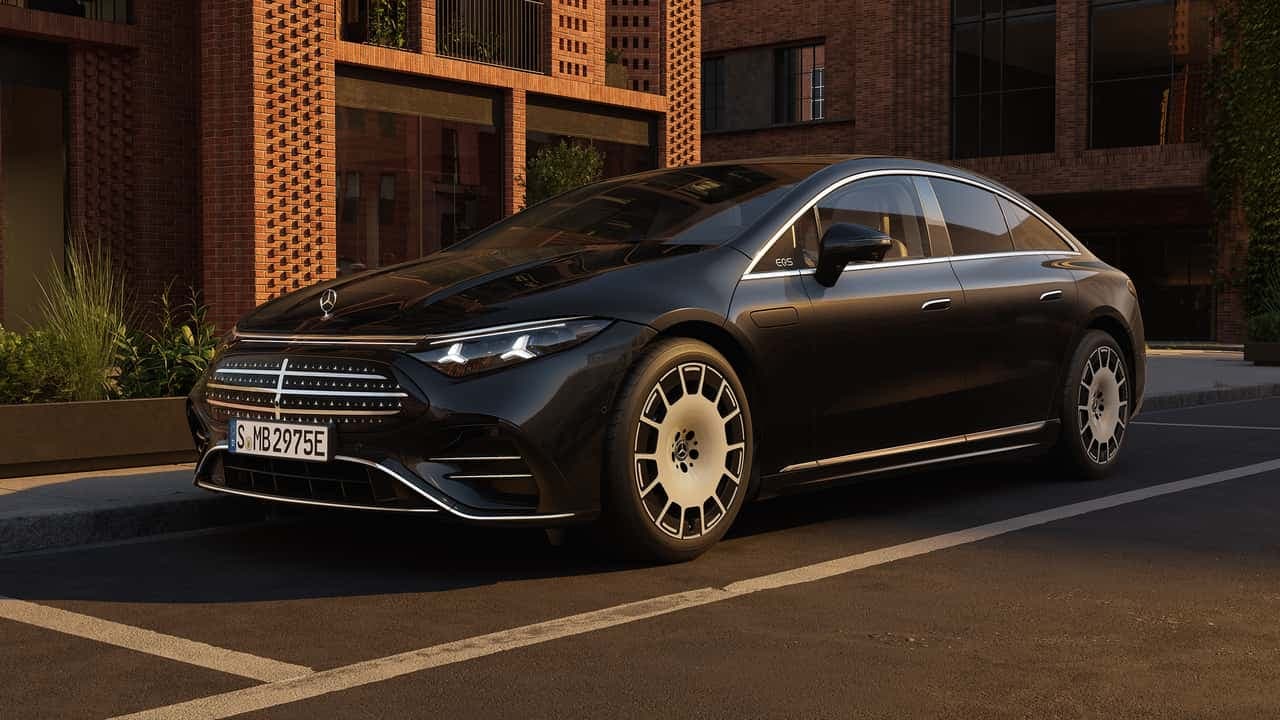
The narrative surrounding electric vehicles has long been dominated by the specter of range anxiety, but a recent test by industry experts at Edmunds suggests that this concern is rapidly becoming a relic of the past. The 2027 Mercedes-Benz EQS 450+ recently underwent a rigorous real-world road test, achieving an impressive 539 miles on a single charge. This figure not only comfortably eclipses its EPA-rated range of 467 miles by a significant 72-mile margin but also cements its status as the longest-range sedan ever verified by the testing group, successfully unseating the long-reigning Lucid Air Dream Edition.
This performance is particularly notable given the methodology of the testing, which incorporates a demanding 60/40 split between highway and city driving. Achieving such high efficiency at highway speeds—typically the Achilles' heel of electric drivetrains—demonstrates the sheer maturity of current battery and motor management technology. While the $122,000 price tag places the EQS 450+ firmly in the luxury stratosphere, its ability to bypass the 500-mile barrier is a testament to the rapid engineering strides being made across the industry.
Engineering the Efficiency Revolution
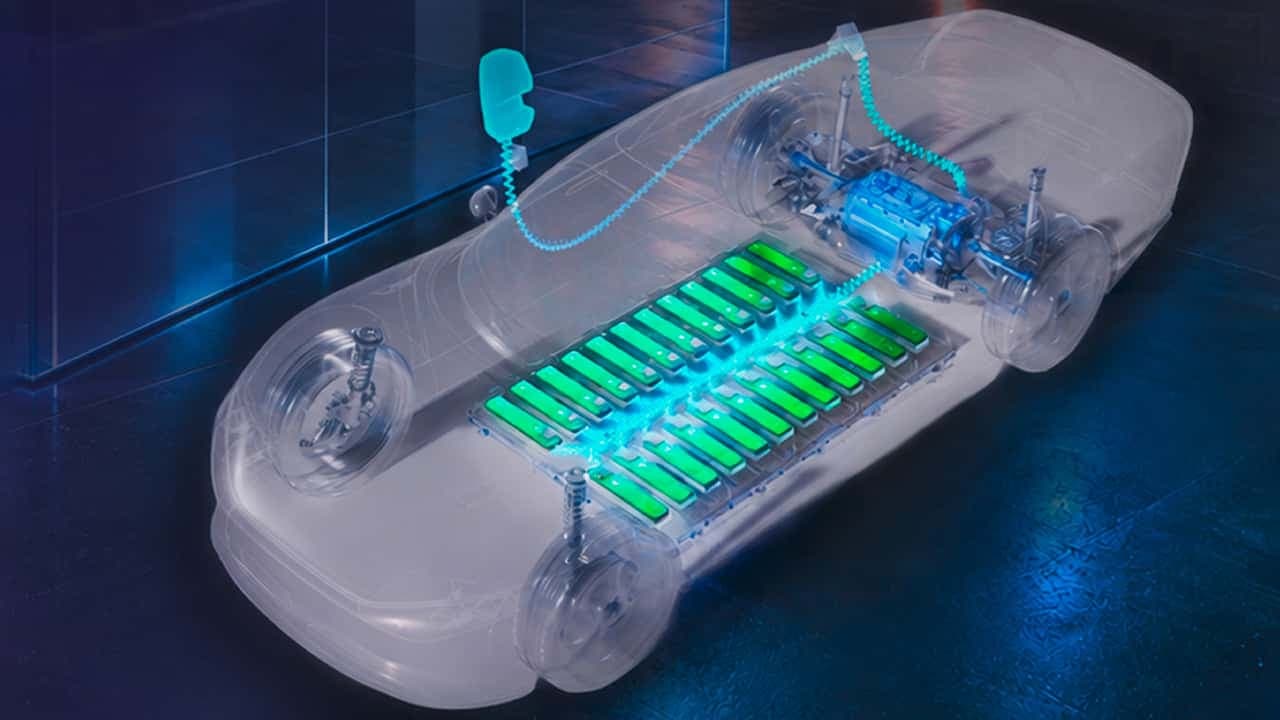
The impressive range of the 2027 EQS 450+ is no accident; it is the result of a deliberate, comprehensive overhaul of the vehicle’s electrical architecture. Mercedes-Benz upgraded the battery capacity to 122 kWh, up from the 118 kWh found in preceding iterations. Beyond the raw energy storage, the introduction of a sophisticated two-speed transmission for the rear motor allows the vehicle to optimize power delivery across varying speeds, minimizing energy waste during highway cruising and maximizing efficiency during acceleration.
Perhaps the most critical advancement is the transition to an 800-volt electrical platform. This high-voltage architecture is the secret sauce for both range and charging speed. By enabling higher power throughput with less thermal loss, the system allows the vehicle to replenish its massive battery at record-breaking speeds. According to metrics used by testers, the EQS 450+ can add 100 miles of driving range in a mere seven minutes of DC fast-charging, ranking it among the fastest-charging vehicles currently available on the global market.
Why it Matters: The Death of Range Anxiety
For years, the conversation around EVs has been stunted by questions of "how far can I go before I get stranded?" Today, that conversation is shifting toward performance and accessibility. With over 90 models now exceeding the 300-mile mark in testing, the industry has effectively solved the basic utility requirement for the vast majority of drivers.
- Infrastructure parity: As high-voltage architectures become standard, the "time to charge" is narrowing the gap with the time it takes to fill a gas tank.
- Technological trickle-down: Innovations like two-speed transmissions and 800V platforms, currently seen in luxury flagships, are slated to become more common in mass-market vehicles.
- Normalization: The move from niche, expensive performance models to mainstream offerings like the Kia EV3 and Chevy Equinox EV proves that long-range capabilities are no longer reserved for early adopters or the ultra-wealthy.
The outlook for the next few years is incredibly bright. While high purchase costs and charging network distribution remain valid hurdles for the broader market, the technical challenge of range limitation has been met and exceeded. As manufacturers continue to refine their power electronics and battery chemistries, the psychological barrier of range anxiety is all but disappearing.