The 100,000-Mile Battery Verdict
For many prospective electric vehicle buyers, the specter of battery degradation looms large over the purchase decision. A common fear is that EV batteries will behave like aging smartphone cells, losing significant capacity after only a few years of daily service. To address these concerns with empirical data, Ford recently analyzed battery health telemetry from approximately 36,000 Mustang Mach-E electric SUVs from the 2021 model year, providing a transparent look at how modern battery technology performs under real-world conditions.
The study, which encompassed vehicles sold across the United States and Canada, focused on the nickel-cobalt-manganese (NCM) battery chemistry used in early Mach-E production runs. The findings suggest that modern battery thermal management systems are far more effective than those found in early-generation EVs. On average, the fleet analyzed had accumulated 55,000 miles over 5.2 years and maintained an impressive 92% of their original usable battery capacity. For a vehicle originally rated at 305 miles, this level of health translates to a current real-world range of approximately 280 miles, proving that longevity is becoming a standard feature rather than an exception.
Surpassing Expectations Under High Usage
One of the most compelling aspects of Ford’s research is the resilience shown by high-mileage units. Despite the prevailing theory that frequent cycling leads to accelerated wear, vehicles that were driven significantly more than the average maintained strong health metrics. Ford highlighted that over 2,000 units in the study had exceeded 100,000 miles on the odometer yet still retained more than 91% of their initial capacity.
The data becomes even more striking at the extreme end of the spectrum. For the small group of vehicles that had surpassed 200,000 miles, battery health remained at a robust 88%. This suggests that while some degradation is inevitable as lithium-ion cells age, the rate of decline slows down significantly after the initial years of operation. Furthermore, the consistency across the fleet was notable; 95% of the 36,000 vehicles tested fell within a tight performance window of 87% to 97% health, indicating a highly predictable and reliable manufacturing output.
Why It Matters: Contextualizing EV Longevity
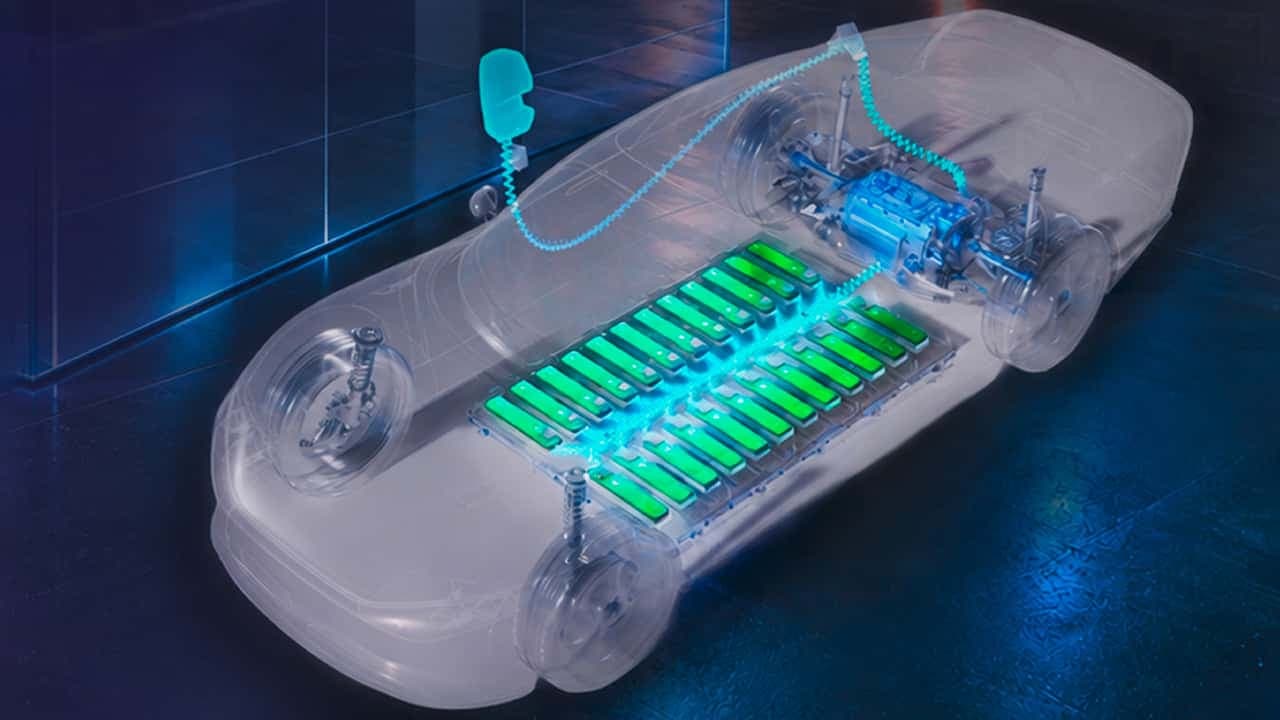
- Thermal Management: Unlike early EVs, current models feature sophisticated liquid cooling and heating, which are critical for preserving cell integrity in extreme temperatures.
- Battery Chemistry: The transition to varied chemistries, including LFP (lithium-iron-phosphate) in newer models, continues to push these endurance benchmarks even further.
- Driving Habits: While the hardware is robust, Ford notes that keeping the charge state between 20% and 80% and minimizing exposure to extreme heat remain the best practices for maximizing long-term capacity.
Strategic Implications for Future EVs
According to Kevin Vander Laan, Ford’s technical leader for high-voltage battery systems, this massive data set is not just a reassurance for current owners; it is a critical feedback loop for future engineering. By understanding exactly how these cells behave after years of exposure to various climates and charging habits, Ford’s engineers are able to refine their models for next-generation platforms, such as the upcoming affordable electric pickup truck.
Ultimately, the report serves as a strong counter-narrative to the idea that EVs have a limited shelf life. When aligned with independent data from firms like Recurrent and Aviloo—which have also found modern EVs to be highly durable—it appears the industry has effectively solved the initial skepticism surrounding long-term battery performance. For drivers, this means an electric vehicle is increasingly becoming a long-term asset that can reliably serve its owner well into six-figure mileage territory.