The Paradigm Shift in Battery Management
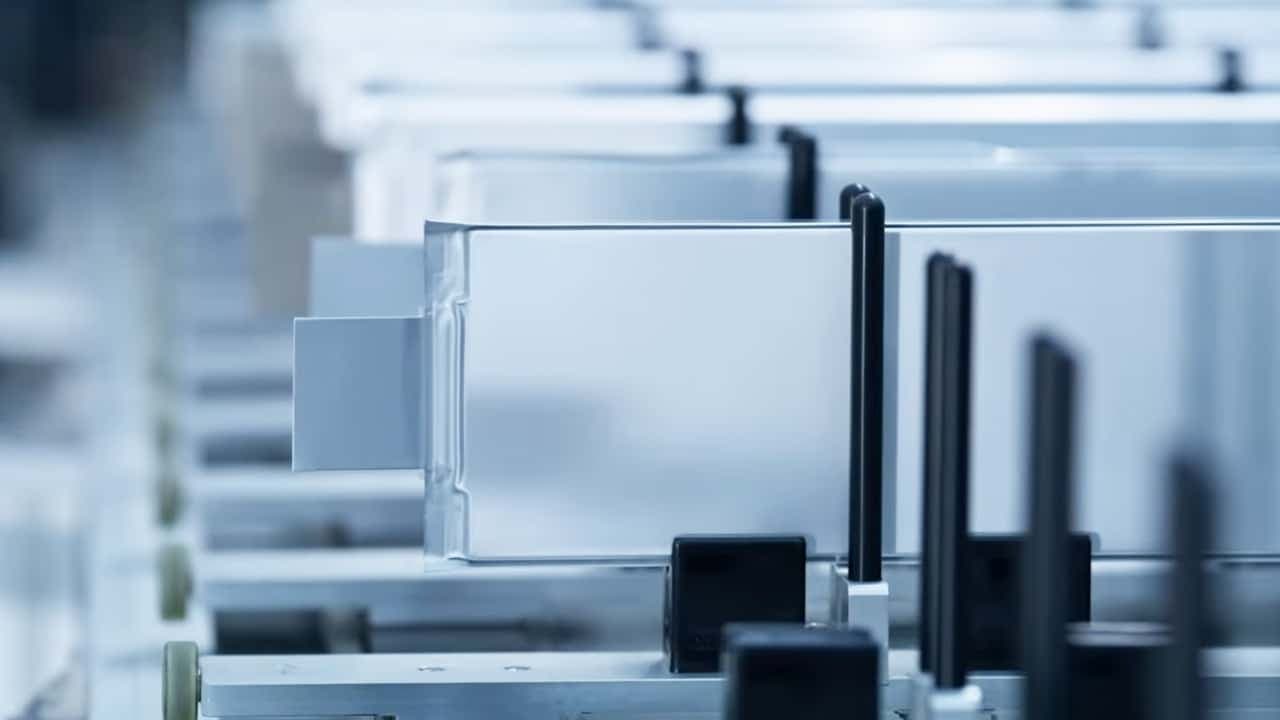
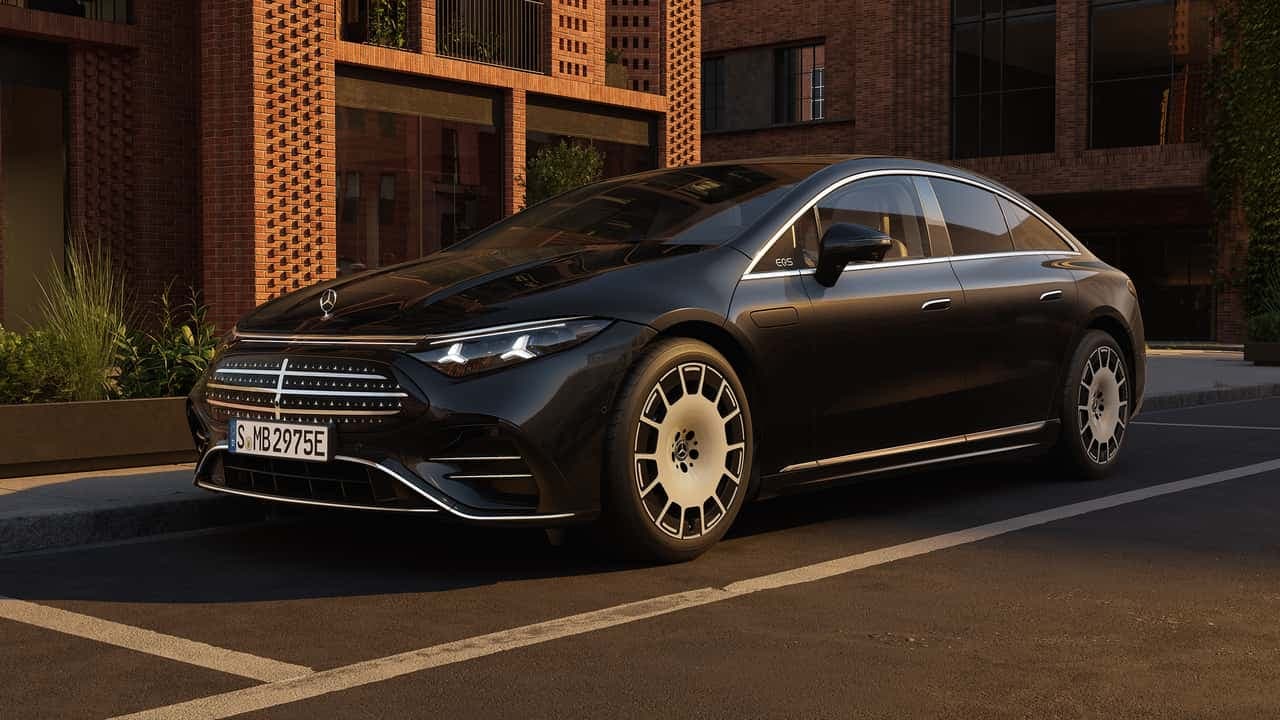
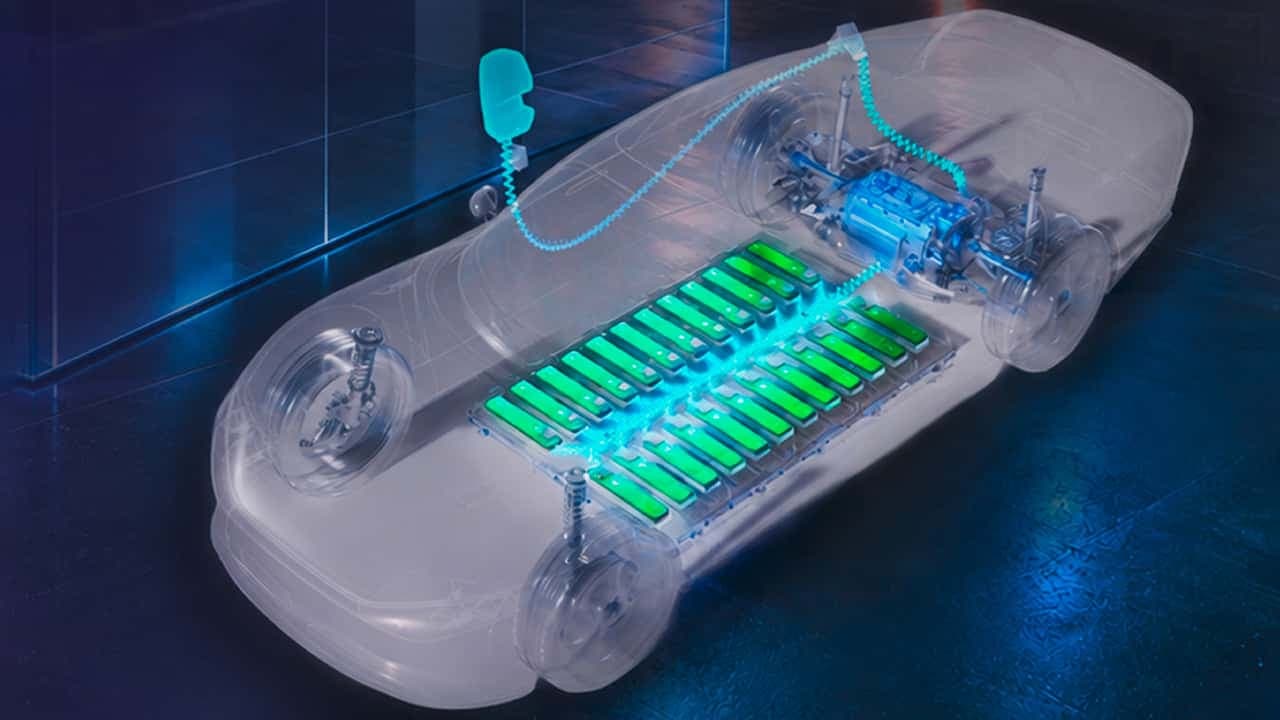
For over a decade, the architecture of electric vehicle batteries has remained largely static. High-voltage packs are composed of thousands of individual cells organized into modules, but when it comes to the flow of energy, they operate as a monolith. If the vehicle demands 100 kilowatts, the entire pack responds in unison. Mercedes-Benz is now looking to upend this status quo with a proprietary development project: the Power Converter.
By integrating a programmable micro-converter into the battery architecture, Mercedes-Benz is moving toward a future where individual cells—or specific cell groups—can be controlled, charged, and discharged independently. This transition from a centralized management system to a granular, cell-level control network represents one of the most significant potential shifts in automotive power electronics since the mainstream adoption of lithium-ion technology.
Longevity and Reliability Through Granularity
One of the most compelling aspects of this new technology is its potential to extend the lifecycle of an EV battery. Traditionally, the failure of a few isolated cells can force a complete pack replacement, a costly ordeal that often renders an otherwise functional vehicle unusable. With the new micro-converter system, the vehicle’s management software can identify a struggling cell and effectively disable it. While this might result in a marginal reduction in total capacity, it preserves the utility of the remaining pack, preventing premature disposal and significantly reducing long-term repair costs.
Furthermore, this technology introduces an unprecedented level of flexibility in battery chemistry. Because the micro-converters can regulate voltage and energy flow at the cell level, manufacturers could theoretically bundle different types of cells or chemistries within the same pack. This allows for a heterogeneous approach where older cells can coexist with newer ones, or high-performance cells can be mixed with long-cycle-life variants to optimize both power output and longevity.
The End of Bulky Power Electronics
Beyond individual cell control, the Power Converter project targets the physical footprint of an electric vehicle's powertrain. Current EV architectures rely on heavy, bulky centralized power electronics to handle the complex conversion between alternating current (AC) and direct current (DC), as well as to manage bidirectional charging. By distributing these tasks across multiple parallel micro-converters, Mercedes-Benz aims to streamline the vehicle’s internal architecture.
The system is inherently designed for bidirectional charging capabilities, effectively baking the functionality into the cells themselves rather than requiring a separate, massive onboard unit. This could lead to lighter, more efficient vehicles. Additionally, the system enables smart energy management; for instance, the vehicle could put specific portions of the battery pack into a 'standby' mode during short commutes, preserving the health of those cells for extended road trips, at which point the full capacity is re-engaged via software command.
Why it Matters
- Reduced Waste: By isolating failing cells, the system prevents the need for entire battery pack replacements.
- Chemical Flexibility: Allows for mixed chemistries within a single pack, optimizing for cost and performance.
- Weight Reduction: Eliminates bulky, centralized power electronics by decentralizing AC/DC conversion.
- Dynamic Optimization: Intelligent energy management enables the pack to 'rest' cells, potentially boosting overall longevity.
While the implementation of thousands of micro-converters introduces a new variable in terms of component count and potential hardware failure points, the promise of a smarter, more modular battery is clear. If successfully brought to market, this technology could define the next generation of Mercedes-Benz EVs, moving the industry toward vehicles that are not only longer-lasting but also far more adaptable to the evolving needs of the driver.