The Hidden World of Cellular Condensates
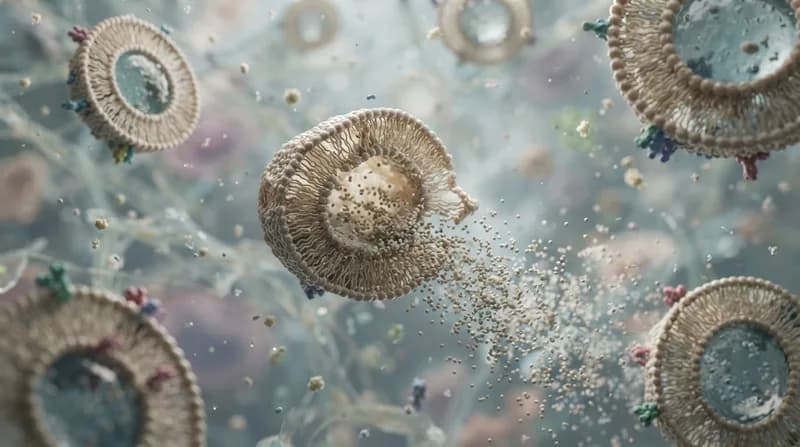
Our cells are teeming with mysterious, microscopic speckles that, despite their liquid nature, perform a host of critical tasks. Discovered only in 2009, these "biomolecular condensates" (also known as coacervates) are now understood to be ubiquitous and essential for survival. They play vital roles like assembling ribosomes, the complex molecular machines responsible for building all the proteins in our cells.
Beyond their daily functions, these simple, membrane-less droplets are surprisingly implicated in serious health issues. Malfunctioning condensates are linked to the rapid deterioration of donor hearts during transplant, the progression of certain cancers by activating tumor-promoting genes, and are increasingly eyed as a key factor in the onset of Alzheimer's disease, contributing to the clumping of amyloid and tau proteins in the brain.
From Cellular Function to Life's Dawn
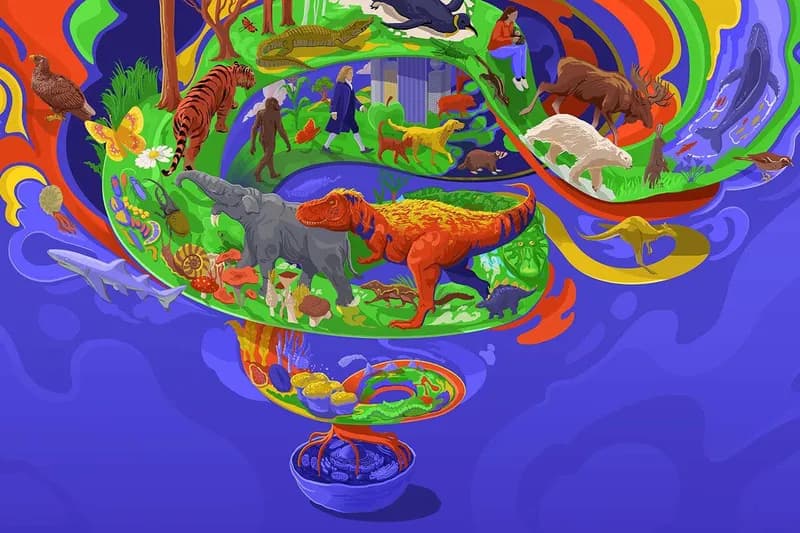
What's even more astonishing is their potential connection to the very origins of life. A century-old idea, proposed by scientist Alexander Oparin, suggested these simple coacervates were precursors to the first cells on Earth. This theory is now experiencing a remarkable revival. Unlike complex membrane-bound structures, condensates form spontaneously and with ease, making them a compelling candidate for how life first organized itself from the "primordial soup." This resurgence in understanding could mean the fundamental relics of Earth's earliest life forms are still swimming within us today.